Have you ever wondered what makes a rice cooker so reliable and easy to use? You just add rice and water, press a button, and perfectly cooked rice appears.
But how exactly does this simple machine work behind the scenes? Understanding how your rice cooker operates can help you get even better results every time you cook. You’ll discover the clever technology inside your rice cooker and learn tips to make your meals tastier and hassle-free.
Keep reading—you’re about to unlock the secret to perfect rice with zero guesswork.

Credit: shop.feelcomfee.com
Rice Cooker Basics
Rice cookers make cooking rice easy and consistent. They save time and reduce guesswork. By understanding their basics, you can use them better and get perfect rice every time.
Core Components
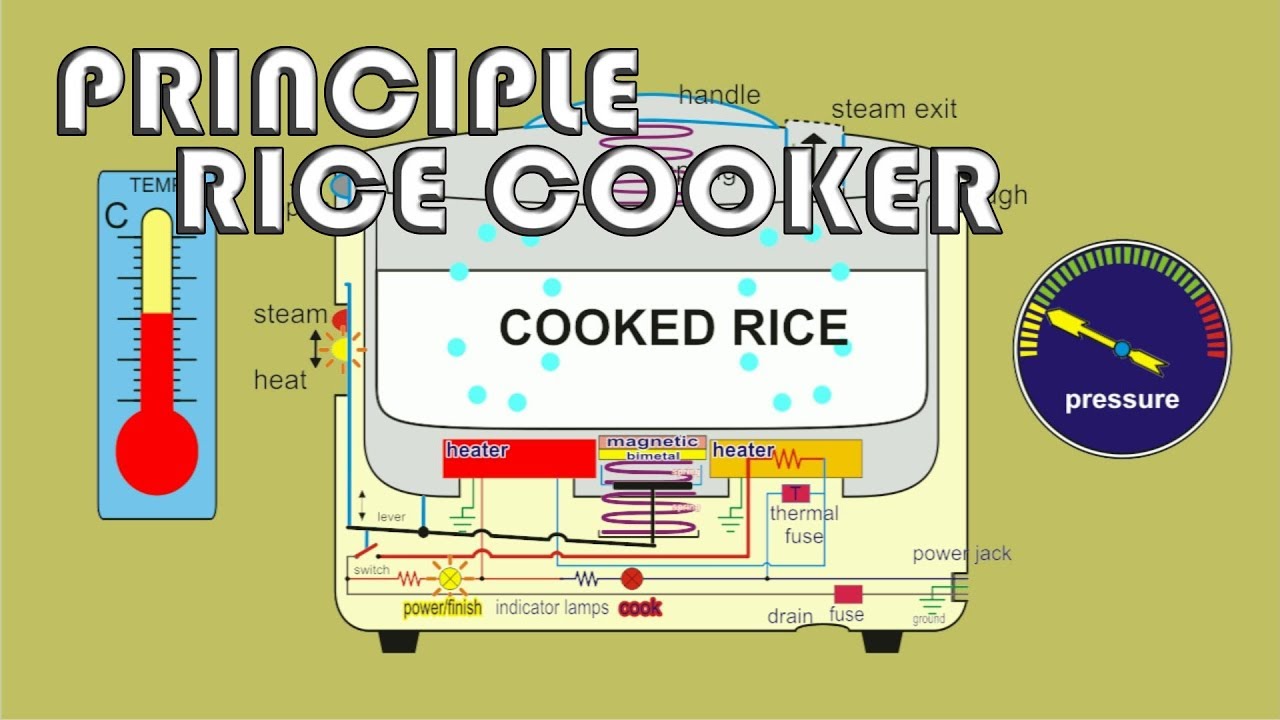
Every rice cooker has a few key parts. The inner pot holds the rice and water. It is usually non-stick for easy cleaning. A heating plate sits under the pot. It warms the pot evenly. A thermostat measures the temperature. This helps the cooker know when the rice is done. Most cookers have a lid to trap steam inside. Some lids are removable, while others are hinged. A simple control panel lets you start or stop cooking. Some models include timers or different cooking modes.
Types Of Rice Cookers
Rice cookers come in different styles. Basic models cook rice with simple on/off controls. They switch off or keep warm when done. Micom rice cookers use micro-computers. These adjust cooking time and temperature for better results. Fuzzy logic cookers offer even smarter controls. They adapt during cooking for perfect texture. Induction heating cookers use a magnetic field. This heats the pot more evenly and quickly. Some rice cookers have multiple functions. They can steam vegetables, cook porridge, or slow cook meals.
Cooking Process Explained
The cooking process inside a rice cooker is simple yet smart. It uses heat, water, and steam to cook rice perfectly every time. Understanding how it works helps you see why rice cookers are so handy in the kitchen.
Each part of the cooker plays a role to make sure the rice cooks evenly and does not burn. The process stops automatically when the rice is done. This makes cooking rice easy and worry-free.
Heating Mechanism
The rice cooker has a heating plate at the bottom. This plate heats up when the cooker is turned on. It transfers heat to the pot where the rice and water sit. This heat causes the water to boil and cook the rice.
Temperature Control
A sensor inside the cooker checks the temperature of the pot. It knows when the water is boiling or has evaporated. When the temperature rises above boiling, the cooker turns off or switches to a warm mode. This stops the rice from overcooking or burning.
Steam And Pressure Role
As water boils, it creates steam that cooks the rice evenly. The lid traps this steam inside the pot. Some rice cookers also build a little pressure, which helps cook the rice faster. Steam and pressure work together to make rice soft and fluffy.
Smart Features And Technology
Rice cookers today come with smart features that make cooking easier and better. These technologies adjust heat and time to cook rice perfectly. They also save energy and keep rice fresh longer. Let’s explore some key smart features that help rice cookers work well.
Fuzzy Logic Technology
Fuzzy logic technology helps rice cookers think like a human. It senses temperature and moisture inside the cooker. Then, it adjusts the cooking time and heat automatically. This process ensures rice cooks evenly without burning or undercooking. It works well with different types of rice and grains.
Micom And Induction Heating
Micom stands for microcomputer control. It uses tiny computers inside the cooker to control cooking. Induction heating creates heat using magnetic fields instead of direct flames. This method heats rice more evenly and quickly. Together, micom and induction heating give better control and consistent results.
Keep Warm Functions
The keep warm function keeps rice at the right temperature after cooking. It stops rice from drying out or getting cold. Some cookers adjust the heat to keep rice fresh for hours. This feature saves time and ensures rice is ready when you want to eat.
Credit: www.youtube.com
Efficiency And Benefits
Rice cookers offer great efficiency and many benefits in everyday cooking. They simplify the process and save energy. These devices are designed to cook rice perfectly every time. Their smart technology controls heat and time well. This leads to less waste and better results.
Energy Consumption
Rice cookers use less energy than stovetops or ovens. They heat only the amount needed for the rice. The cooking stops automatically once the rice is done. This prevents extra power use and keeps bills low. Energy savings help the environment too.
Consistent Cooking Results
Rice cookers deliver the same great taste every time. They keep the right temperature throughout cooking. This avoids undercooked or burnt rice problems. The built-in sensors adjust heat for perfect texture. Consistency is key for busy kitchens and families.
Time-saving Aspects
Rice cookers free up time by cooking rice hands-free. No need to watch or stir constantly. They cook rice faster than traditional methods. Many models have timers to start cooking later. This helps plan meals and reduces stress.
Tips For Optimal Use
Using a rice cooker well can make a big difference in your meals. Small steps help you get perfect rice every time. Follow these tips for the best results.
Good habits also keep your cooker working longer. Clean and care for it regularly.
Choosing The Right Rice Cooker
Pick a rice cooker that fits your needs. Think about how many people you cook for. Small cookers suit singles or couples. Larger ones work better for families.
Look for features like keep-warm mode or different cooking settings. These make cooking easier and more flexible.
Proper Water-to-rice Ratio
Water amount is key to perfect rice. Too much water makes rice mushy. Too little makes it dry.
Use the measuring cup that comes with your cooker. Follow its guide for water and rice amounts. Different rice types may need different water levels.
Maintenance And Cleaning
Clean your rice cooker after each use. Remove the inner pot and wash it with warm, soapy water. Wipe the outer parts with a damp cloth.
Check the heating plate for food spills. Keep it clean to avoid cooking problems. Regular cleaning keeps your cooker safe and working well.

Credit: buymode.shop
Frequently Asked Questions
How Does A Rice Cooker Cook Rice Evenly?
A rice cooker uses a heating element to boil water, creating steam that cooks rice uniformly. Its thermostat controls temperature to prevent overcooking or burning. This consistent heat distribution ensures perfectly cooked rice every time.
Can Rice Cookers Cook Other Grains Besides Rice?
Yes, rice cookers can cook grains like quinoa, barley, and oats. They adjust cooking time and temperature to suit different grains. This versatility makes rice cookers useful for various healthy meals beyond just rice.
What Safety Features Do Modern Rice Cookers Have?
Modern rice cookers include automatic shut-off and keep-warm functions. They prevent overheating by regulating temperature carefully. These safety features protect users and maintain food quality during and after cooking.
How Does The Keep-warm Function In Rice Cookers Work?
The keep-warm function lowers the heat to a safe temperature after cooking. It maintains rice warmth without drying or burning. This feature allows rice to stay fresh and ready to eat for hours.
Conclusion
Rice cookers use heat and steam to cook rice evenly. They sense when rice is done and stop automatically. This saves time and effort in the kitchen. Using a rice cooker makes rice soft and fluffy every time. They also keep rice warm after cooking.
Understanding how rice cookers work helps you use them better. This simple tool can improve your meals with little effort. Try one to enjoy perfectly cooked rice at home.
As an Amazon Associate, I earn from qualifying purchases.