Have you ever wondered just how hot your coffee maker gets when brewing your morning cup? Knowing the temperature your machine reaches can change the way you think about your coffee—and even how you use your coffee maker safely.
Whether you’re aiming for the perfect brew or curious about the heat levels, understanding this can help you get the most from your coffee experience. Keep reading to uncover the surprising facts about coffee maker temperatures that every coffee lover should know.
Credit: hamiltonbeach.com
Coffee Maker Temperature Basics
Understanding how hot coffee makers get is key to making great coffee. Temperature affects taste and extraction. Too hot or too cold can change the flavor. Knowing the basics helps you choose or adjust your machine. It also helps you understand the brewing process better.
Different coffee makers heat water to different temperatures. This affects the way coffee brews. Some machines keep the water very hot, while others use lower temperatures. Let’s explore the ideal temperatures for brewing coffee and see how they differ by machine type.
Ideal Brewing Temperatures
The best coffee brews between 195°F and 205°F (90°C to 96°C). This range extracts the right flavors from coffee grounds. Water below this range can make coffee taste weak or sour. Water hotter than 205°F can burn the coffee, causing bitterness. Maintaining this temperature range is important for a balanced cup.
Many coffee experts recommend starting at 200°F (93°C). This temperature works well for most coffee types. It allows the coffee to release oils and aromas fully. Temperature control ensures each cup tastes fresh and rich.
Temperature Ranges By Coffee Maker Type
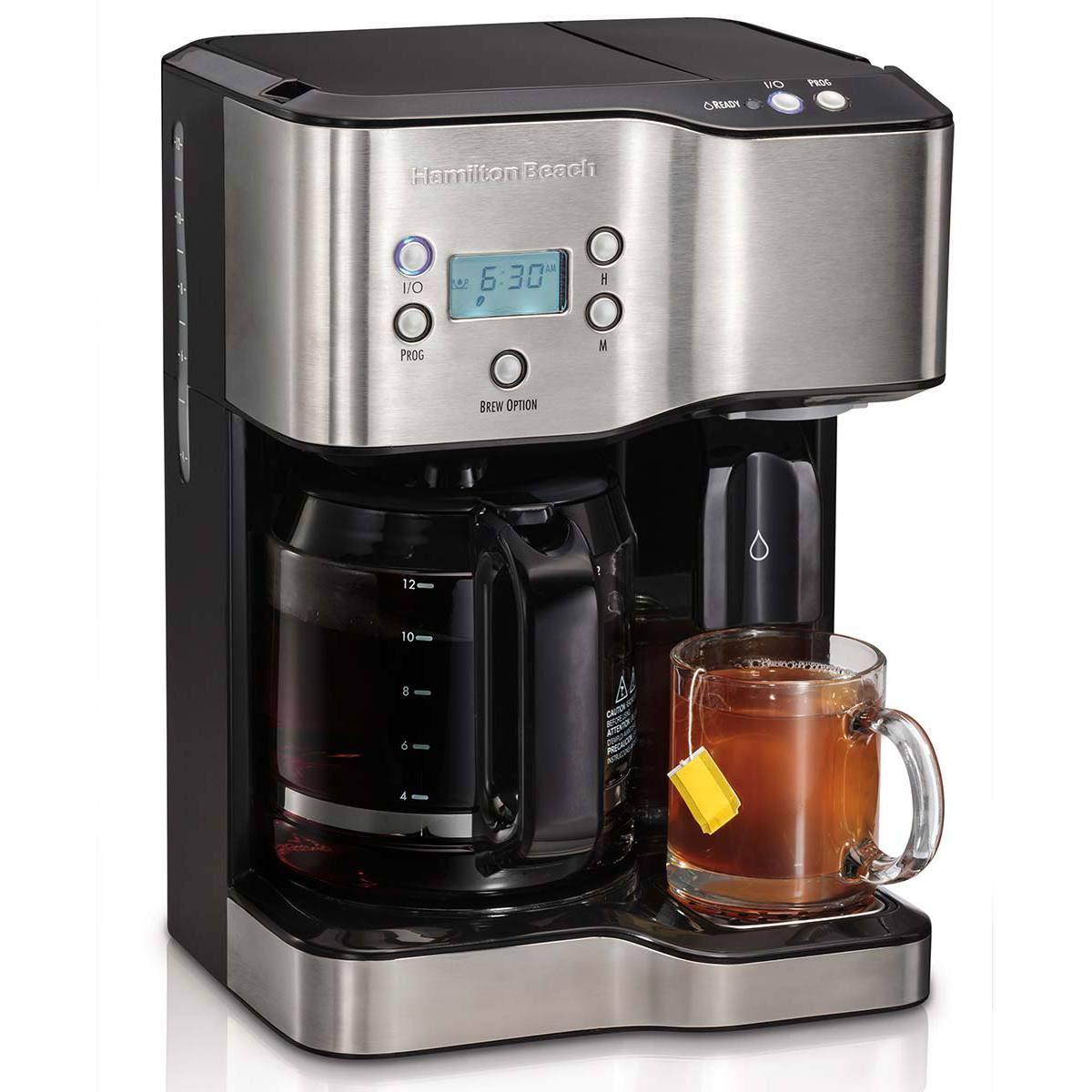
Drip coffee makers usually heat water between 190°F and 205°F. Some cheaper models may not reach the ideal temperature. This can affect coffee quality. High-end drip machines often have precise temperature controls.
Espresso machines heat water to about 190°F to 200°F. Pressure and temperature work together to create a strong, concentrated shot. Too hot water can burn espresso quickly. Too cool water causes weak shots.
French presses use water just off the boil, around 200°F. Since the coffee steeps directly in water, temperature control is manual. This gives users freedom to adjust brewing to taste.
Credit: www.youtube.com
Factors Affecting Coffee Maker Heat
The heat level of a coffee maker depends on several important factors. These factors control how hot the water gets before brewing coffee. Understanding them helps explain why some coffee makers feel hotter than others.
Each factor plays a role in the final temperature during brewing. Some affect the machine’s ability to heat water. Others influence how heat spreads inside the device. These details matter for both taste and safety.
Heating Element Design
The heating element is the part that warms the water. Its size and material affect how hot the water becomes. Larger elements can heat water faster and to higher temperatures. Some use metal coils, while others have flat plates. Different designs lead to varied heat levels.
Water Source And Quality
Water temperature and purity impact heating. Cold water takes longer to reach high heat. Minerals in water can build up inside the machine. This buildup can lower heating efficiency. Clean, fresh water helps maintain steady heat.
Machine Settings And Controls
Many coffee makers have adjustable temperature settings. Users can choose hotter or cooler brewing options. Some machines have sensors to control heat precisely. Others use fixed temperatures for safety. Settings determine how hot the coffee maker gets.
Safety Concerns With Hot Coffee Makers
Coffee makers get very hot during brewing. This heat can cause safety issues at home or work. Knowing the risks helps you use your machine safely. Taking simple steps prevents burns and accidents. Understanding features like automatic shutoff adds safety.
Burn Risks And Precautions
Hot surfaces on coffee makers cause burns easily. The carafe and warming plate reach high temperatures. Touching these parts without care leads to painful injuries. Steam from the machine also burns skin quickly. Use handles and knobs designed to stay cool. Keep children away from the coffee maker while it runs. Always place the machine on a stable surface. Avoid moving it during or right after brewing.
Automatic Shutoff Features
Many coffee makers have an automatic shutoff function. This feature turns the machine off after a set time. It prevents overheating and reduces fire risks. Automatic shutoff saves energy and protects your home. Check if your coffee maker includes this safety feature. Set the timer according to your daily routine. This reduces the chance of leaving the machine on accidentally.
Impact Of Temperature On Coffee Flavor
Temperature affects coffee flavor deeply. The heat changes how coffee beans release their taste and smell. Too hot or too cold water can change the balance of flavors. Coffee makers that reach the right temperature help make better coffee. Understanding this impact helps you enjoy every cup more.
Under-extraction Vs Over-extraction
Under-extraction happens when water is too cool or fast. Coffee tastes weak, sour, or watery. Important flavors do not come out fully. Over-extraction occurs when water is too hot or slow. Coffee becomes bitter, dry, or harsh. Good extraction needs the right temperature and time. This balance brings the best taste from coffee grounds.
Temperature’s Role In Aroma And Taste
Hot water helps release coffee’s aroma and rich taste. Ideal temperature is usually between 195°F and 205°F. Too low, and coffee smells dull and tastes flat. Too high, and it can burn the coffee, making it bitter. Temperature controls how oils and acids develop in coffee. This affects both smell and flavor in your cup.
Unusual Heat Facts About Coffee Makers
Coffee makers heat water to brew coffee, but some heat facts might surprise you. They don’t just get hot and stay steady. The heat inside coffee makers changes in unusual ways during and after brewing. Understanding these heat patterns helps you use your coffee maker better and stay safe.
Unexpected Temperature Spikes
Sometimes, coffee makers show sudden rises in temperature. These spikes happen when the machine moves water quickly. The heating element can jump from warm to very hot fast. This quick change can affect the taste of your coffee. It can also make the machine feel hotter than expected. Not all coffee makers behave this way, but some do.
Heat Retention After Brewing
After brewing, coffee makers keep heat inside for a while. The hot plate or carafe holds heat and stays warm. This can keep your coffee hot longer. But it also means the machine stays hot to touch. Some models cool down faster, but many stay warm for 20 minutes or more. Be careful when handling the pot right after brewing.
Credit: www.youtube.com
Tips To Manage Coffee Maker Heat
Managing the heat of your coffee maker is key to brewing great coffee safely. Coffee makers can get very hot, which affects taste and safety. Learning to control the heat helps you enjoy better coffee and keeps your machine in good shape. Small steps make a big difference in how your coffee tastes.
Optimal Brewing Practices
Use the right water temperature for brewing. Most coffee brews best between 195°F and 205°F. Avoid overheating the water to prevent bitter flavors. Brew in small batches to keep the machine from getting too hot. Turn off the coffee maker soon after brewing to stop extra heat. Use a thermal carafe to keep coffee warm without extra heat.
Maintenance For Consistent Temperature
Clean your coffee maker regularly to remove mineral build-up. Scale build-up can cause uneven heating and poor coffee taste. Descale the machine every few months using vinegar or a descaling product. Check the heating element for damage or wear. Replace any parts that no longer work well. Proper maintenance helps keep the temperature steady and coffee tasting fresh.
Frequently Asked Questions
How Hot Do Coffee Makers Get During Brewing?
Coffee makers typically heat water to 195°F to 205°F (90°C to 96°C). This range extracts optimal coffee flavor without burning the grounds. Water temperature above 205°F can cause bitter taste, while below 195°F results in weak coffee.
Can Coffee Makers Overheat And Cause Safety Issues?
Most modern coffee makers have safety features to prevent overheating. They automatically shut off or regulate temperature to avoid hazards. However, malfunctioning machines might overheat, so regular maintenance and proper use are essential for safe operation.
Does Water Temperature Affect Coffee Taste Quality?
Yes, water temperature directly impacts coffee extraction and flavor. Ideal temperatures (195°F-205°F) balance acidity and bitterness. Too hot water burns coffee, while too cold water under-extracts, leading to weak or sour taste.
What Is The Ideal Brewing Temperature For Coffee Makers?
The ideal brewing temperature is between 195°F and 205°F (90°C to 96°C). This range ensures maximum flavor extraction and balanced coffee taste. Most coffee makers are designed to maintain this temperature consistently.
Conclusion
Coffee makers usually heat water between 190 and 205 degrees Fahrenheit. This range helps extract the best flavor from coffee grounds. Too hot or too cold can change the taste. Knowing the temperature helps you choose the right machine. It also keeps your coffee safe to drink.
Remember, each model varies slightly in heat. Always check your coffee maker’s settings. This way, you enjoy a perfect cup every time. Hot, fresh coffee starts with the right temperature. Simple but important.
As an Amazon Associate, I earn from qualifying purchases.