Are you wondering if your blender is safe to toss in the dishwasher? You’re not alone.
Cleaning blenders can be tricky, and knowing the right way to do it can save you time and protect your kitchen gear. Imagine avoiding damage and keeping your blender working like new, just by following simple steps. You’ll discover everything you need to know about whether blenders are dishwasher safe—and how to clean them the right way every time.
Keep reading to make your blender cleanup easier and safer!
Blender Components And Dishwasher Safety
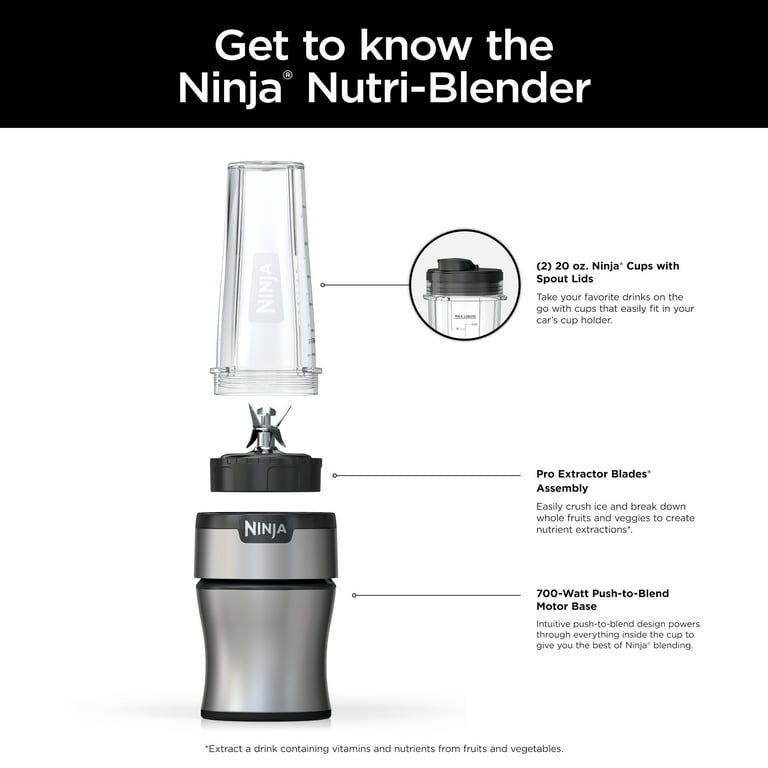
Understanding blender parts helps with safe cleaning. Some parts can go in the dishwasher. Others need hand washing. Knowing the difference keeps your blender working well.
Base Unit And Motor
The base unit holds the motor. It is electric and should never go in the dishwasher. Water can damage the motor. Use a damp cloth to clean the base. Avoid soaking or spraying water directly.
Blender Jar Materials
Blender jars come in glass, plastic, or metal. Most glass jars are dishwasher safe. Some plastic jars may warp in hot water. Check the manufacturer’s label for safety. Metal jars are rare but usually safe for dishwashers.
Blades And Assembly
Blades are sharp and need careful cleaning. Many blades are dishwasher safe but check first. Remove blades carefully before washing. Hand wash if unsure to keep them sharp. Dry blades fully to stop rust.
Lids And Seals
Lids and seals prevent leaks during blending. Most lids can go in the dishwasher’s top rack. Seals may wear out if washed too often in hot water. Hand wash seals gently to keep them flexible. Replace seals if they crack or break.
Manufacturer Guidelines And Recommendations
Manufacturer guidelines offer the best advice on blender care. These rules help protect your blender’s parts and keep it working well. Following these guidelines ensures safety and extends the blender’s life.
Check the instructions before washing your blender. Not all parts can go in the dishwasher. Knowing what the manufacturer recommends avoids damage and keeps your blender clean.
Reading The User Manual
The user manual is the first place to check for dishwasher info. It tells you which parts are dishwasher safe. Some manuals have clear symbols or words about cleaning.
Read the manual carefully to avoid mistakes. It often suggests hand washing some parts. This helps prevent warping or cracking from high heat.
Common Dishwasher Safe Labels
Look for labels on blender parts that say “dishwasher safe.” These labels mean the part can handle dishwasher heat and water. Common labels include a dishwasher icon or words like “top rack safe.”
Not all parts have these labels. When unsure, wash by hand. This keeps your blender safe from damage caused by harsh dishwasher cycles.
Brand-specific Advice
Some brands have unique care rules for their blenders. For example, certain brands allow only the jar or lid in the dishwasher. Others advise hand washing all removable parts.
Check your blender’s brand website for extra tips. Brand advice helps avoid voiding warranties or breaking parts. Follow brand-specific rules to keep your blender in good shape.
Benefits Of Dishwasher Cleaning
Dishwasher cleaning offers several benefits for your blender. It makes cleaning easier and faster. It helps keep your blender very clean and safe to use. It also protects your blender’s parts for a longer time. These benefits make dishwasher cleaning a smart choice for many users.
Time-saving Advantages
Using a dishwasher saves time. You do not need to wash the blender parts by hand. Just place them in the dishwasher and start the cycle. This frees up time for other activities. It is especially helpful after busy days or large meals.
Hygiene And Sanitization
Dishwashers use hot water and strong jets. This removes food stuck on blender parts. It kills most bacteria and germs. This keeps your blender clean and safe. Hand washing may miss some spots or germs.
Preserving Blender Longevity
Dishwashers clean blender parts gently and thoroughly. This reduces wear and tear from scrubbing. It helps protect blades, jars, and lids. Proper cleaning keeps the blender working well for years. It also keeps the blender looking new.

Credit: www.sharkninja.com
Risks And Precautions
Cleaning your blender in the dishwasher might seem easy and quick. Yet, it can cause damage or safety issues. Knowing the risks helps you protect your blender and yourself. Follow some simple precautions to keep your blender working well and safe to use.
Potential Damage To Parts
Dishwashers use strong water pressure and hot water. These can loosen or break small parts of the blender. Plastic pieces may crack or fade over time. Seals and rubber gaskets can wear out faster. This may lead to leaks or poor blending performance.
Avoiding Warping And Cracking
High heat in the dishwasher can warp plastic containers. Warped containers do not fit correctly on the blender base. This affects blending and can cause spills. The blade assembly is also at risk of bending or cracking. Hand washing with mild soap helps avoid these problems.
Electrical Safety Concerns
Blender motors and electrical parts must stay dry. Water in these parts can cause short circuits or damage. Dishwashers do not dry these areas well. Always unplug the blender before cleaning. Clean the base with a damp cloth, not in the dishwasher.
Step-by-step Dishwasher Cleaning Tips
Cleaning your blender in the dishwasher can save time and effort. Follow these simple steps to ensure your blender parts come out spotless and undamaged. Proper preparation and care help maintain your blender’s quality and performance.
Preparing Blender Parts
First, unplug the blender and disassemble its parts. Remove the blade, jar, lid, and gasket carefully. Rinse each part with warm water to remove leftover food. Check the manufacturer’s instructions to confirm dishwasher safety. Place smaller parts in a dishwasher basket to avoid loss.
Loading The Dishwasher Correctly
Place the blender jar and lid on the top rack to avoid damage. Position the blade and gasket securely in the cutlery holder. Avoid overcrowding to allow water to reach all surfaces. Keep heavy items away from blender parts to prevent breakage.
Selecting The Right Cycle
Choose a gentle or glass cycle with a lower temperature. Avoid high heat settings that can warp plastic parts. Use a mild detergent to protect the blender’s finish. Skip the heated dry option to prevent damage and warping.
Post-wash Care
Remove blender parts immediately after the cycle ends. Dry each piece with a clean towel to prevent water spots. Reassemble the blender only when all parts are fully dry. Store the blender in a dry place to avoid mold and odors.
Alternative Cleaning Methods
Not all blenders can go in the dishwasher. Some parts may get damaged or dull. Alternative cleaning methods keep your blender clean and safe. These methods work well and save your blender’s life.
Hand Washing Techniques
Hand washing is gentle and effective for blender parts. Use warm water and mild dish soap. A soft sponge or brush cleans blades and corners well. Rinse thoroughly to remove all soap. Dry parts with a clean towel before reassembling.
Using Vinegar And Baking Soda
Vinegar and baking soda remove stains and odors naturally. Sprinkle baking soda inside the blender jar. Add a cup of vinegar carefully. Let the mixture fizz for a few minutes. Rinse with warm water and dry. This method freshens and cleans deep inside.
Quick Clean With Soap And Water
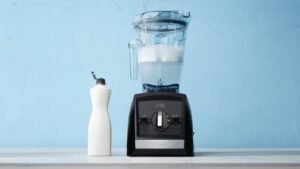
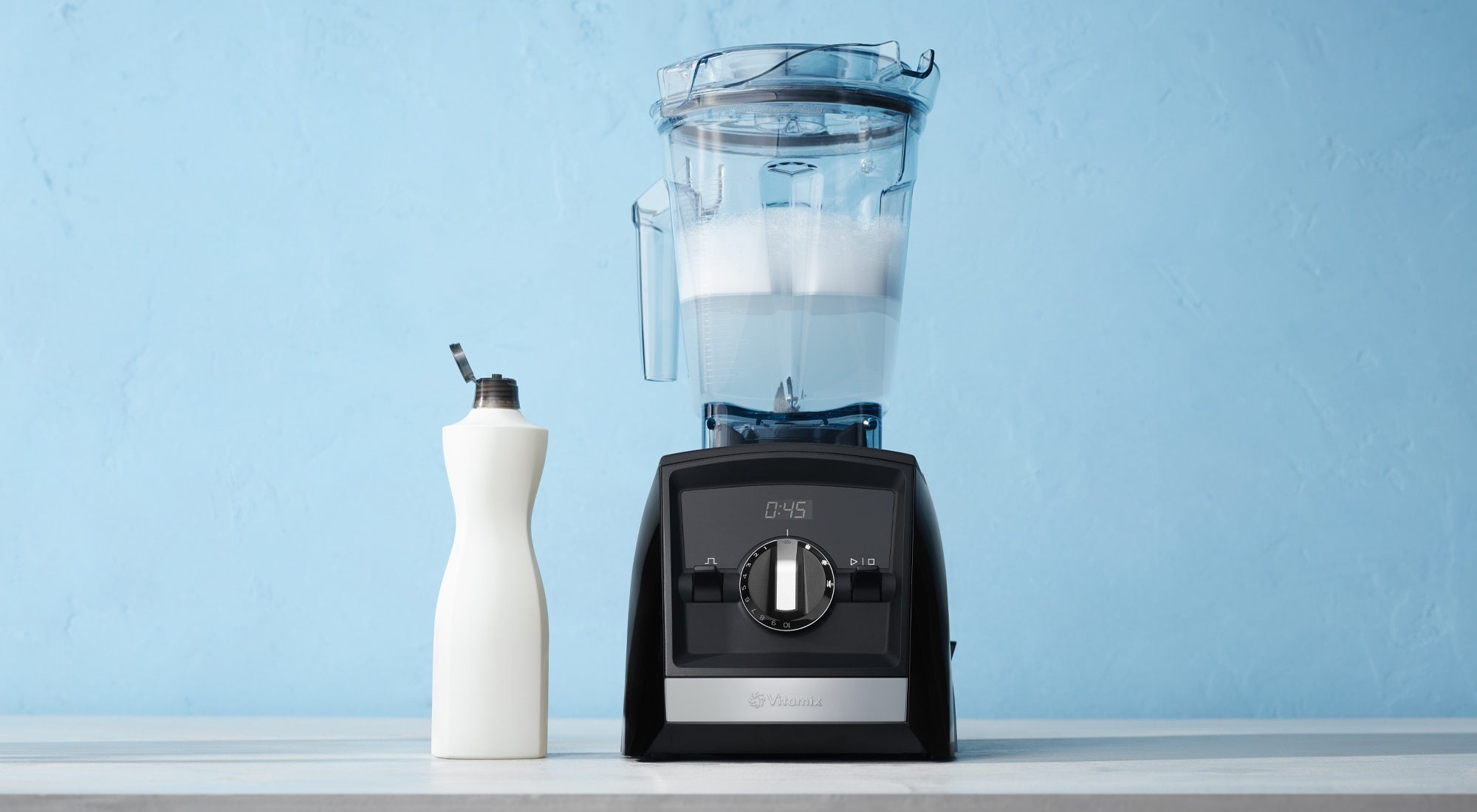
For fast cleaning, fill the blender halfway with warm water. Add a drop of dish soap. Run the blender on low for 30 seconds. Pour out the soapy water. Rinse well with clean water. Wipe dry for a quick, easy clean.
Maintaining Blender Performance
Maintaining your blender’s performance ensures it works well for a long time. Regular care keeps the blades sharp and the motor strong. Clean and check your blender often to avoid problems.
Regular Cleaning Schedule
Clean your blender after every use. Rinse the jar and blades with warm water. Use mild soap and a soft brush to remove stuck food. Avoid harsh cleaners that can damage parts. Dry all parts before reassembling to stop mold growth.
Inspecting For Wear And Tear
Check your blender parts regularly for damage. Look at blades for dullness or chips. Examine the jar for cracks or scratches. Test the motor for strange noises or smells. Early checks help prevent bigger issues later.
Replacing Parts When Needed
Replace worn or broken parts quickly. Blades that are dull reduce blending power. Cracked jars can leak or break further. Use only parts made for your blender model. Proper replacements keep your blender safe and effective.
Credit: www.walmart.com
Credit: www.vitamix.com
Frequently Asked Questions
Are All Blender Parts Dishwasher Safe?
Not all blender parts are dishwasher safe. Usually, the jar and lid are dishwasher safe. Blades and motor bases should be hand-washed to avoid damage.
Can Dishwasher Damage My Blender Blades?
Yes, dishwasher heat and detergent can dull or corrode blender blades. Hand-washing blades prolongs their sharpness and durability.
How To Safely Clean Blender Motor Base?
Never put the motor base in a dishwasher. Clean it by wiping with a damp cloth and mild detergent.
Is It Safe To Put Glass Blender Jars In Dishwasher?
Most glass blender jars are dishwasher safe. However, always check the manufacturer’s instructions to avoid any risk of damage.
Conclusion
Blenders may or may not be dishwasher safe, depending on the model. Always check the user manual before cleaning. Many blender parts can go in the dishwasher, but the base should never get wet. Hand washing often keeps blenders in better shape.
Taking care of your blender helps it last longer. Cleaning it properly saves time and effort. Small steps make a big difference. Choose the cleaning method that suits your blender best. Simple care keeps your kitchen tools ready to use.
As an Amazon Associate, I earn from qualifying purchases.