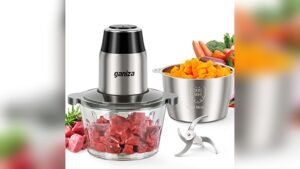
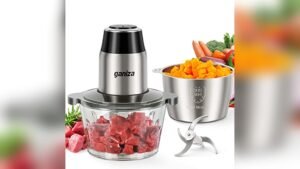
Are you confused about whether to use a blender or a food processor in your kitchen? You’re not alone.
Both appliances look similar and can handle many tasks, but they work very differently. Choosing the right one can save you time and effort, and help you create better meals. You’ll discover the key differences between a blender and a food processor.
By the end, you’ll know exactly which tool fits your cooking style and needs. Keep reading to find out how to make your kitchen smarter and your food tastier!
Blender Basics
A blender is great for making smooth drinks, soups, and sauces. It mixes liquids and soft foods quickly. Blenders work best for pureeing and liquefying ingredients.
Most blenders have sharp blades that spin at high speed. They usually have a tall jar with a lid to keep food inside. The motor is strong enough to crush ice and frozen fruits.
| Common Features | Typical Attachments |
|---|---|
| High-speed motor | Blending jar with lid |
| Sharp, fixed blades | Some have smaller jars for chopping |
| Simple controls | Different speed settings |
Food Processor Essentials
A food processor is great for many kitchen tasks. It chops, slices, grates, and mixes ingredients quickly. Its wide bowl holds large amounts of food. This helps save time during meal prep.
Key parts include a sharp blade, a motor base, and a
| Standard Accessories | Purpose |
|---|---|
| Chopping Blade | Chops vegetables and nuts |
| Slicing Disc | Slices fruits and vegetables |
| Shredding Disc | Grates cheese and carrots |
| Dough Blade | Kneads dough for baking |
Performance Comparison
Texture and consistency vary between blenders and food processors. Blenders create smooth, liquid textures like soups and smoothies. Food processors chop or slice ingredients, keeping them chunkier for salads or doughs.
Speed and power differ too. Blenders usually have faster blades to crush ice and blend liquids quickly. Food processors run at slower speeds but have stronger motors for tougher tasks like kneading dough or chopping nuts.
| Feature | Blender | Food Processor |
|---|---|---|
| Capacity | Usually smaller, fits liquids well | Often larger, handles big batches |
| Best For | Smooth liquids and purees | Chopping, slicing, and mixing solids |
| Blade Speed | High-speed for fine blending | Lower speed, more control |

Credit: nutritionrefined.com
Best Uses For Blenders
Blenders are perfect for making smoothies and drinks. They mix fruits and liquids quickly to create a smooth texture. Soups and purees also work well in blenders. They can turn cooked vegetables into creamy soups easily.
Blenders handle ice crushing effectively. Crushed ice is great for cold drinks and frozen treats. Their sharp blades and strong motors make this task easy.
Ideal Tasks For Food Processors
Food processors are perfect for chopping and slicing vegetables quickly and evenly. They save time and effort, making meal prep easier. The sharp blades can handle many types of produce.
For dough and mixing, food processors work well by combining ingredients fast. They knead dough smoothly without tiring your hands. This tool helps make bread, pizza, and pastry dough with ease.
Grating and shredding cheese, carrots, or cabbage becomes simple using the right attachment. The food processor does this evenly and fast, better than using a hand grater. It keeps your kitchen tidy too.
Cleaning And Maintenance
Blenders usually have fewer parts, making them easier to clean. Most blender jars and lids can be rinsed quickly or placed in the dishwasher. Food processors have more parts like blades, discs, and bowls. These parts need careful cleaning to avoid damage or rust. Cleaning food processor blades can be tricky and requires caution.
Durability depends on use and brand quality. Blenders with glass jars tend to last longer than plastic ones. Food processors often have sturdy plastic bowls, but the blades may wear out faster. Regular maintenance like drying parts well helps extend their life.
| Common Issues | Blender | Food Processor |
|---|---|---|
| Blade dullness | Slower over time | Faster due to chopping |
| Leaking | Occasional jar seal wear | Rare, but possible with bowl |
| Motor strain | From thick mixtures | From hard chopping tasks |
Choosing The Right Appliance
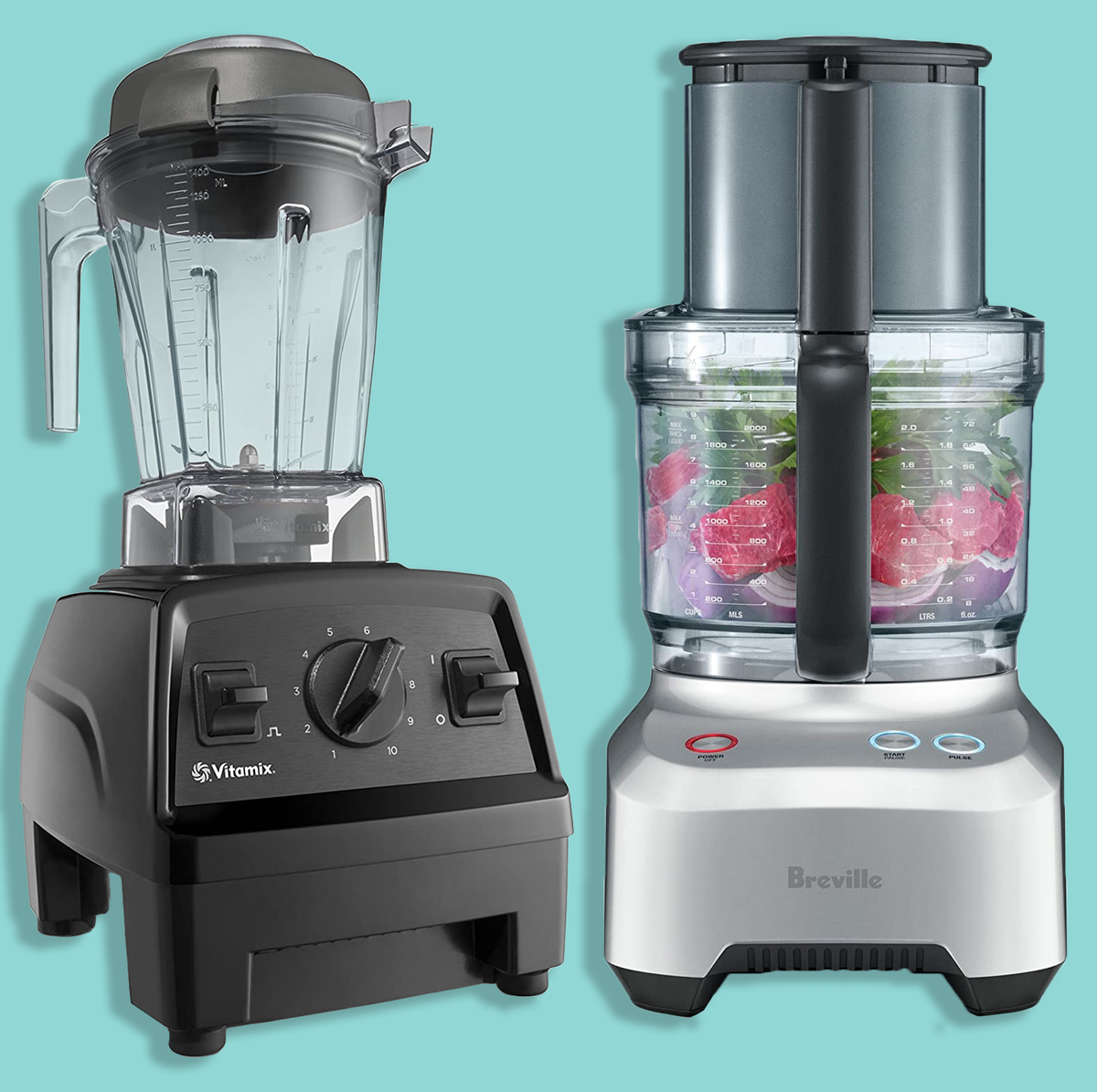
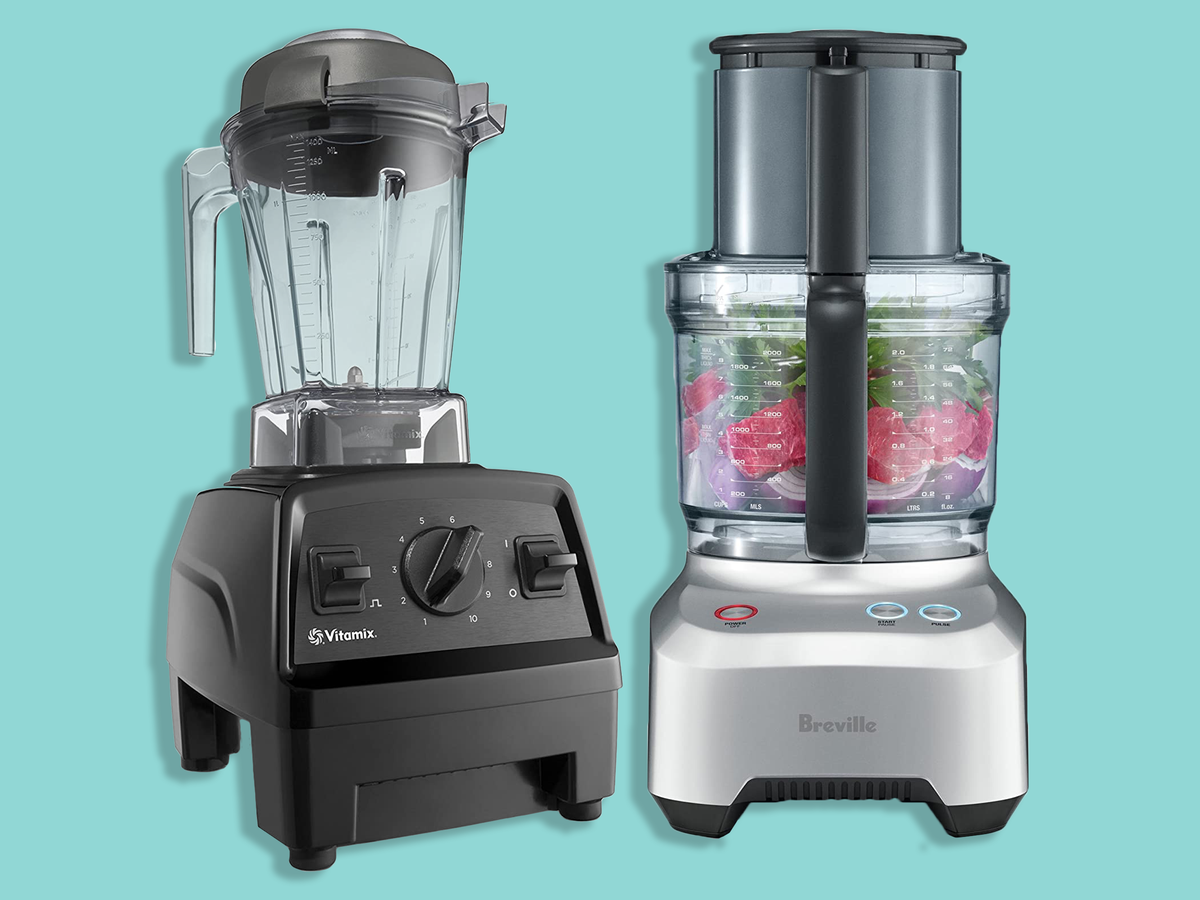
Choosing the right appliance depends on your daily cooking habits. A blender is great for making smooth drinks and purees. A food processor handles chopping, slicing, and mixing tasks with ease.
Think about your budget. Blenders usually cost less than food processors. But, a food processor can save time for many kitchen jobs.
Consider the space in your kitchen. Blenders are often smaller and easier to store. Food processors are bulkier but can do more tasks.
| Aspect | Blender | Food Processor |
|---|---|---|
| Use | Smoothies, soups, purees | Chopping, slicing, mixing dough |
| Price | Usually less expensive | Usually more expensive |
| Size | Compact and easy to store | Larger, takes more counter space |
Credit: www.goodhousekeeping.com
Credit: www.goodhousekeeping.com
Frequently Asked Questions
What Are The Main Differences Between A Blender And Food Processor?
A blender is best for liquids and smoothies, while a food processor handles solid foods. Blenders puree and emulsify, whereas food processors chop, slice, and knead dough efficiently.
Can A Blender Replace A Food Processor?
A blender cannot fully replace a food processor. Blenders excel at liquids but struggle with chopping or slicing solid foods like a food processor does.
Which Appliance Is Better For Making Dough, Blender Or Food Processor?
A food processor is better for making dough. It mixes and kneads dough evenly, while blenders are not designed for dough preparation.
Are Blenders Or Food Processors Easier To Clean?
Blenders are generally easier to clean due to fewer parts. Food processors have multiple attachments, making cleaning more time-consuming.
Conclusion
Blenders and food processors serve different kitchen tasks. Blenders work well for liquids and smooth textures. Food processors handle chopping, slicing, and mixing solid foods. Choose based on what you cook most often. Both tools save time and effort in cooking.
Knowing their differences helps you pick the right one. Your cooking becomes easier and more enjoyable. Simple tools, smart choices.
As an Amazon Associate, I earn from qualifying purchases.