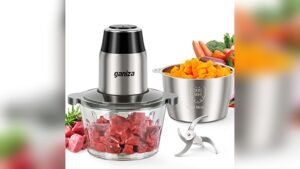
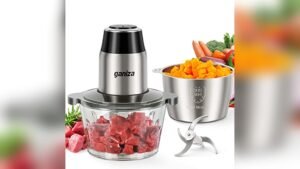
Are you confused about whether a food processor and a blender are the same thing? You’re not alone.
Many people use these kitchen gadgets interchangeably, but they actually serve different purposes. Knowing the difference can save you time, money, and frustration in the kitchen. Keep reading, and you’ll discover which one is right for your cooking style and how each tool can make your meal prep easier and faster.
This simple guide will clear up the confusion once and for all.
Basic Functions
Food processors chop, slice, and shred vegetables quickly. They can also mix dough and grind nuts. Their wide, flat blades handle thick mixtures well. Great for making salads, dough, and chopping meat.
Blenders work best with liquids. They make smoothies, soups, and sauces smooth. Their tall, narrow jars help blend fruits, ice, and liquids evenly. Good for crushing ice and pureeing soft foods.
| Food Processor | Blender |
|---|---|
| Chops vegetables and nuts | Blends liquids and soft foods |
| Slices and shreds ingredients | Crushes ice and frozen fruits |
| Mixes dough and thick mixes | Makes smoothies and purees |
| Good for solid and dry foods | Best for liquids and soft foods |
Design And Components
Food processors have many blade types made for chopping, slicing, and shredding. Blenders usually have a fixed blade designed for blending liquids and soft foods. Some food processors come with extra attachments like dough blades or shredders, while blenders rarely include extras.
The bowl of a food processor is usually wide and shallow. This shape helps process solid foods easily. Blenders have tall, narrow jars made for mixing liquids quickly. Food processor bowls vary in size, often larger than blender jars, to handle big chunks of food.
Performance And Efficiency
Food processors and blenders create different textures. Food processors chop and slice ingredients, giving chunky or coarse results. Blenders mix and puree, producing smooth and liquid textures. This makes processors good for dough and salads. Blenders work best for soups and smoothies.
Processors run at lower speeds but have strong motors to handle thick foods. Blenders spin faster to break down items quickly. Speed affects how fine the food becomes. A blender’s fast blades create a uniform blend. A processor’s slower blades give more control over texture.

Credit: nutritionrefined.com
Typical Food Preparation Tasks
A food processor is great for chopping, slicing, and grating. It handles vegetables, cheese, and nuts quickly. The blades are sharp and wide, making it easy to cut food into pieces. You can adjust the thickness of slices by changing the blade. It works well for preparing salads, toppings, and snacks.
A blender is best for pureeing and liquid blending. It turns fruits and vegetables into smooth drinks or soups. The blender’s tall jar helps mix liquids evenly. It is perfect for smoothies, sauces, and milkshakes. Thick mixtures get smooth quickly with a blender.
Cleaning And Maintenance
Food processors and blenders differ in ease of cleaning. Food processors have many parts like blades, bowls, and lids. Each part needs careful washing to avoid damage. Blenders usually have fewer parts, making cleaning quicker and simpler. Some blender jars are dishwasher safe, which saves time.
Durability depends on how often each appliance is used. Food processors are built to handle tough tasks like chopping and kneading. This makes them strong and long-lasting. Blenders are designed for liquids and soft foods, so they may wear out faster with heavy use. Taking good care of both tools can extend their life.

Credit: www.bonappetit.com
Choosing The Right Appliance
Choosing between a food processor and a blender depends on your budget and available kitchen space. Food processors usually cost more and take up more room. Blenders are often cheaper and smaller, good for quick drinks and smoothies.
Think about what you cook most. If you need to chop, slice, or shred often, a food processor is best. For liquids and soft foods, a blender works well. Both can save time, but each has different strengths.
| Factor | Food Processor | Blender |
|---|---|---|
| Cost | Usually higher | Usually lower |
| Size | Larger, takes more space | Smaller, fits easily |
| Best for | Chopping, slicing, shredding | Pureeing, mixing liquids |
Combining Both Appliances
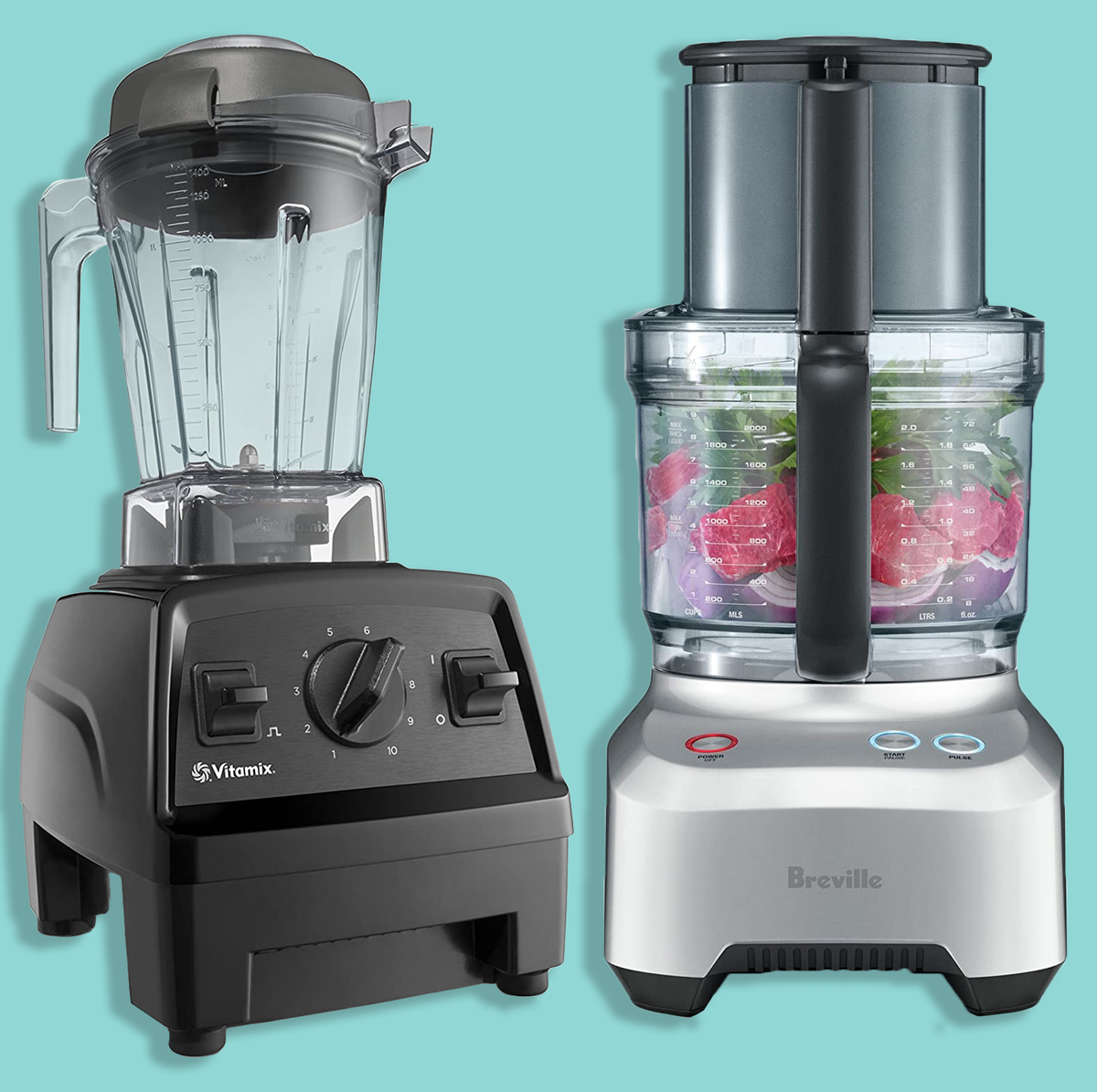
A food processor is great for chopping, slicing, and mixing thick dough. It handles solid foods well and can make tasks easier in the kitchen. A blender works best for liquids and soft foods, like smoothies or soups. It can crush ice and mix ingredients into a smooth texture.
Using both appliances lets you prepare many recipes with ease. The food processor saves time with prep work, while the blender helps create smooth drinks and sauces. Owning both can expand your cooking options and make meal prep faster.
| Appliance | Best Use | Benefits |
|---|---|---|
| Food Processor | Chopping, slicing, mixing dough | Handles solid foods, saves prep time |
| Blender | Making smoothies, soups, crushing ice | Creates smooth textures, blends liquids |
Credit: www.goodhousekeeping.com
Frequently Asked Questions
What Is The Main Difference Between A Food Processor And Blender?
A food processor chops, slices, and kneads, while a blender purees and liquefies. Food processors handle solid foods better. Blenders excel at making smoothies and soups with liquid ingredients.
Can A Food Processor Replace A Blender?
A food processor can perform some blender tasks, but it’s less effective for smooth purees. For liquid-heavy recipes, a blender is better. Food processors are versatile for chopping and mixing solid foods.
Are Blenders Better For Smoothies Than Food Processors?
Yes, blenders are designed to create smooth, creamy textures. They crush ice and blend liquids efficiently. Food processors can make chunky blends but don’t achieve the same smoothness for smoothies.
Which Appliance Is Best For Dough And Chopping Vegetables?
A food processor is ideal for kneading dough and chopping vegetables. It has specialized blades for these tasks. Blenders are not suitable for dough or coarse chopping.
Conclusion
A food processor and a blender are different kitchen tools. Each serves a unique purpose. Food processors chop, slice, and mix solid foods well. Blenders blend liquids and make smooth mixtures. Choosing the right one depends on your cooking needs.
Both can save time in the kitchen. Knowing their differences helps you use them better. A good kitchen has room for both appliances. Simple tasks become easier with the right tool. Think about what you cook most often before buying.
As an Amazon Associate, I earn from qualifying purchases.