Are you out of coffee grounds but have whole beans at home? You might be wondering, “Can I grind coffee beans in a food processor?” It’s a tempting idea—after all, a food processor is powerful and quick.
But before you hit that pulse button, there are important things you should know. Your morning cup depends on the grind, and using the wrong tool can change the taste and texture of your coffee. Keep reading to find out if your food processor can become your new coffee grinder and how to get the best results if it can.
Choosing The Right Grinder
Choosing the right grinder is key to making great coffee. The grinder affects the flavor and texture of your brew. Different grinders give different results. This guide explains the main types and why food processors are different.
Blade Vs Burr Grinders
Blade grinders use spinning blades to chop beans. They are usually cheaper and easy to find. The grind size is uneven because the blades cut beans randomly. This can cause bitter or weak coffee. Burr grinders crush beans between two plates or cones. They give a consistent grind size. This helps with better coffee extraction. Burr grinders cost more but give better flavor.
Why Food Processors Differ
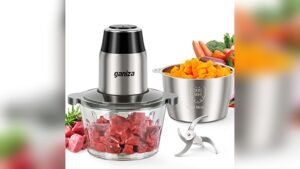
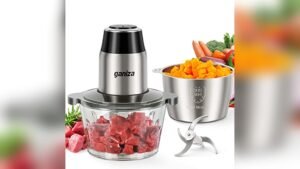
Food processors are not made for coffee grinding. Their blades are wide and move fast. This creates uneven coffee grounds. Heat from the motor can also affect flavor. The grind size is hard to control. Food processors work better for chopping or mixing food. They lack the precision of a coffee grinder. Using a food processor may not give the best coffee taste.
Credit: gaiacoffee.com
Food Processors And Coffee Beans
Food processors are common kitchen tools. Many wonder if these machines can grind coffee beans effectively. Using a food processor for coffee grinding is possible but has limits. Understanding these limits helps decide if it suits your needs.
Grinding Capabilities
Food processors use sharp blades to chop food quickly. They can crush coffee beans into smaller pieces. The process is faster than manual methods. But food processors do not grind as finely as coffee grinders.
The blades may skip some beans or break them unevenly. You get a coarse or uneven grind instead of a smooth one. This coarse grind may work for some brewing methods but not all.
Texture And Consistency Issues
Consistent grind size is key for good coffee flavor. Food processors often produce uneven coffee grounds. Some pieces will be fine, others will be large chunks.
This uneven texture affects how coffee extracts during brewing. It can cause bitter or weak flavors. Coffee grinders offer better control over grind size and consistency.
Step-by-step Grinding Process
Grinding coffee beans in a food processor can be quick and effective. Follow the right steps for a good grind. This process helps you get fresh coffee grounds with ease. Understanding each step ensures better flavor and texture.
Preparing The Beans
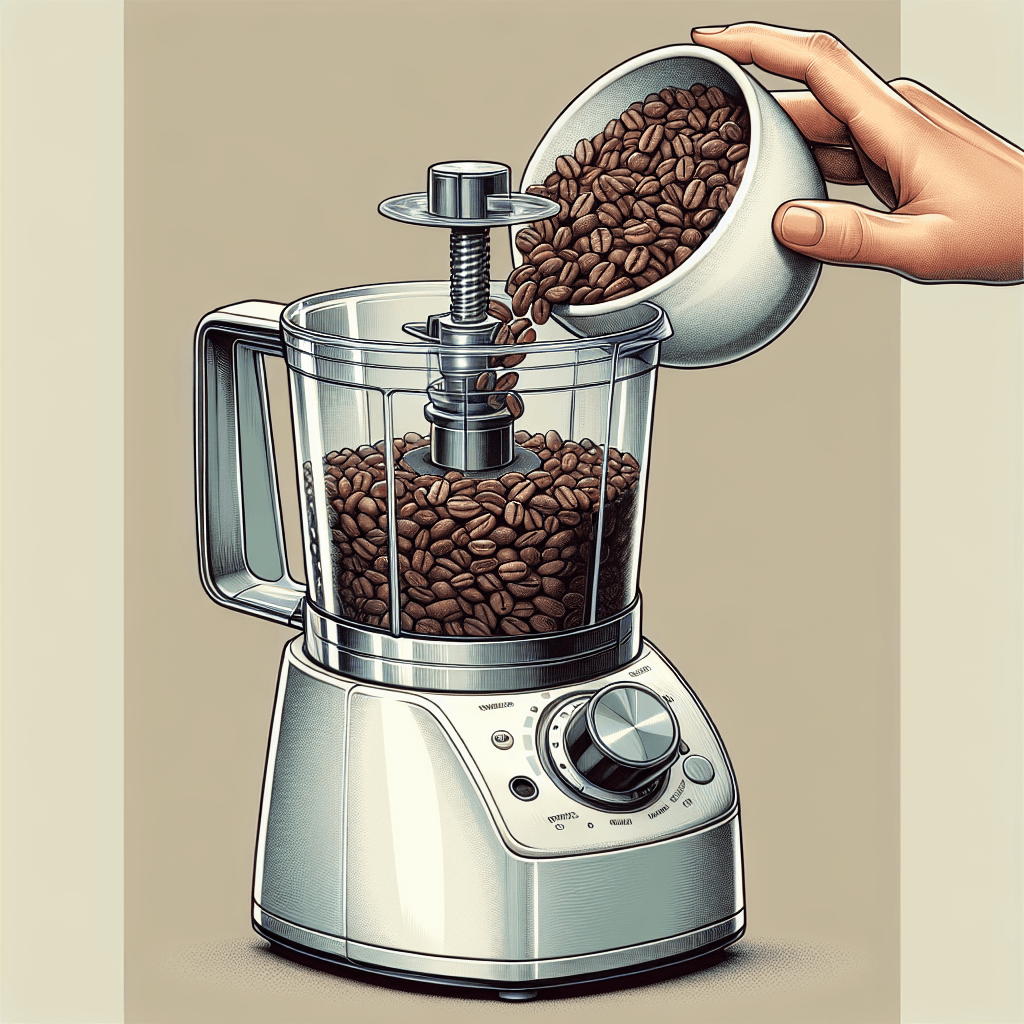
Start with clean, dry coffee beans. Measure the amount you need. Avoid using oily or flavored beans. Pour beans into the food processor bowl. Spread them out evenly for consistent grinding.
Pulse Technique For Even Grinding
Use short pulses instead of continuous running. Pulse for 1-2 seconds each time. Check the grind texture after every few pulses. This method prevents uneven grinding. Repeat until you reach the desired consistency.
Avoiding Overheating
Overheating can ruin coffee flavor. Let the processor rest between pulses. Grind in small batches if possible. Avoid running the machine for more than 30 seconds at once. Cooler blades keep the beans fresh and tasty.

Credit: coffeeroastco.com
Pros And Cons Of Using Food Processors
Using a food processor to grind coffee beans has both benefits and drawbacks. It is an option many consider when they do not own a coffee grinder. Understanding the pros and cons helps decide if it fits your needs.
Convenience Factor
Food processors are common in most kitchens. They can quickly grind coffee without extra tools. You can grind large amounts at once. No need to buy a separate coffee grinder. The process is fast and easy to start.
Quality Of Grind
The grind size may not be consistent. Food processors chop unevenly compared to grinders. Some beans may be coarse, while others too fine. This affects the taste and brewing time. It may not suit all coffee types or methods.
Cleanup And Maintenance
Cleaning a food processor after grinding coffee can be tricky. Coffee grounds may stick to the blades and bowl. You must clean thoroughly to avoid old flavors mixing. Regular cleaning keeps the machine working well. It takes more time than cleaning a simple grinder.
Alternative Grinding Methods
Grinding coffee beans without a food processor is possible. There are simple ways to get fresh ground coffee using other tools. Each method has its own benefits and fits different needs and budgets.
Manual Coffee Grinders
Manual coffee grinders are small and easy to use. They work by turning a handle to crush the beans. You can control how coarse or fine the grind will be. They are quiet and do not need electricity. Perfect for fresh coffee anywhere.
Using A Blender
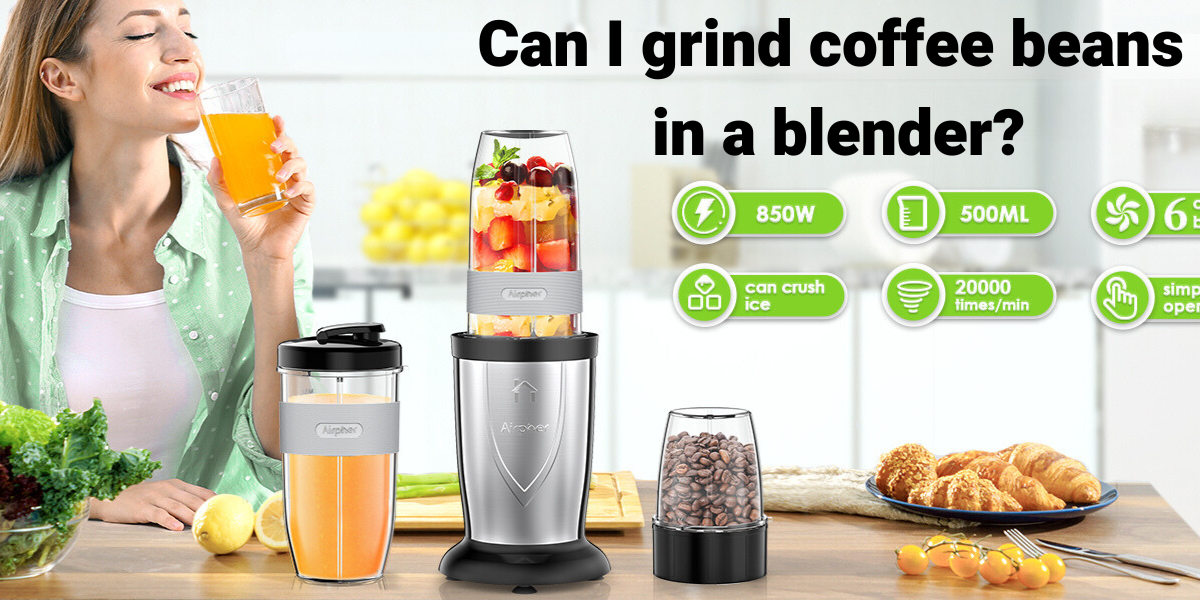
A blender can grind coffee beans fast. Use short pulses to avoid overheating the beans. Be careful not to grind too long, or the coffee will become powdery. Clean the blender well to avoid flavor mix. A good choice if you already own one.
Buying Pre-ground Coffee
Pre-ground coffee saves time and effort. It is ready to use right away. Choose a grind size that matches your brewing method. Keep it in an airtight container to stay fresh longer. Best for people who want convenience.
Tips For Best Coffee Flavor
Grinding coffee beans in a food processor can work well with the right approach. To enjoy the best coffee flavor, certain tips help a lot. These tips focus on timing, grind size, and storage. Follow them for a fresh and tasty cup every time.
Grinding Just Before Brewing
Grind coffee beans right before brewing for the freshest taste. Ground coffee loses flavor fast after grinding. The oils and aroma escape quickly. Grinding too early leads to stale coffee. A food processor can grind quickly, so use it just before brewing.
Adjusting Grind Size For Brew Methods
Different brewing methods need different grind sizes. For drip coffee, choose a medium grind. French press requires a coarse grind. Espresso works best with a fine grind. A food processor may give uneven grinds. Pulse in short bursts and check the size often. Stop grinding once you reach the right texture.
Storing Ground Coffee
Store ground coffee in an airtight container. Keep it in a cool, dark place away from air and light. Avoid storing coffee in the fridge or freezer. Moisture can ruin the flavor. Use ground coffee within a few days for the best taste. Grinding fresh often beats storing ground coffee long.
Credit: airpherhome.com
Frequently Asked Questions
Can I Use A Food Processor To Grind Coffee Beans?
Yes, you can grind coffee beans in a food processor. It works best for coarse grinds like French press. For finer grinds, it may not be consistent.
How Fine Can A Food Processor Grind Coffee Beans?
A food processor typically produces coarse to medium grounds. It cannot achieve the fine, uniform grind needed for espresso or drip coffee.
Will Grinding Coffee In A Food Processor Affect The Flavor?
Grinding coffee in a food processor may cause uneven grind size. This can lead to inconsistent extraction and slightly altered flavor.
How Long Should I Grind Coffee Beans In A Food Processor?
Pulse the coffee beans in short bursts of 10-15 seconds. Avoid over-processing to prevent overheating and uneven grind.
Conclusion
Grinding coffee beans in a food processor works, but not perfectly. It can create uneven grounds that affect coffee taste. For best results, grind in short bursts and check often. A food processor is okay if you don’t have a grinder.
Still, a coffee grinder makes smoother and more consistent grounds. Choose what fits your needs and budget. Enjoy fresh coffee, no matter how you grind. Simple steps can lead to a better cup every time.
As an Amazon Associate, I earn from qualifying purchases.