Your electric kettle is a kitchen hero, boiling water quickly for your tea, coffee, and recipes. But over time, it can build up stubborn limescale and stains that affect its taste and performance.
If you’ve noticed your kettle taking longer to boil or leaving a strange taste in your water, it’s time for a deep clean. Don’t worry—cleaning your electric kettle is easier than you think. In this guide, you’ll discover simple, effective steps to get your kettle sparkling clean again, using items you probably already have at home.
Keep reading, and you’ll learn how to extend your kettle’s life and enjoy better-tasting drinks every day.

Credit: www.arloren.com
Preparing Your Kettle
Preparing your electric kettle is the first step to a safe and effective cleaning process. Taking a few simple actions before you start helps protect both you and your appliance. Proper preparation also ensures better cleaning results and extends the kettle’s lifespan.
Unplug And Cool Down
Always unplug your kettle before cleaning. This prevents any risk of electric shock. Let the kettle cool down completely. Hot water or steam can cause burns. Cooling also helps avoid damage to the kettle’s parts during cleaning.
Remove Loose Debris
Check inside the kettle for loose debris or leftover tea leaves. Use a soft cloth or brush to remove them gently. Do not use abrasive materials that can scratch the surface. Removing debris first makes deep cleaning easier and more effective.

Credit: shop.feelcomfee.com
Descaling With Vinegar
Descaling an electric kettle with vinegar is a simple and effective way to remove mineral buildup. This buildup can cause your kettle to work slower and affect the taste of your water. Vinegar is a natural acid that breaks down these deposits safely. It is also easy to find and affordable. Follow these steps to clean your kettle using vinegar.
Create Vinegar Solution
Mix equal parts of white vinegar and water. Use enough liquid to fill your kettle halfway. This solution will help dissolve the limescale inside the kettle. Avoid using too strong a mixture to protect the kettle’s parts.
Soak And Boil
Pour the vinegar solution into the kettle. Let it soak for 30 minutes to one hour. After soaking, turn on the kettle and let the solution boil. Boiling helps loosen stubborn deposits inside the kettle. Turn off the kettle and wait for the solution to cool down.
Rinse Thoroughly
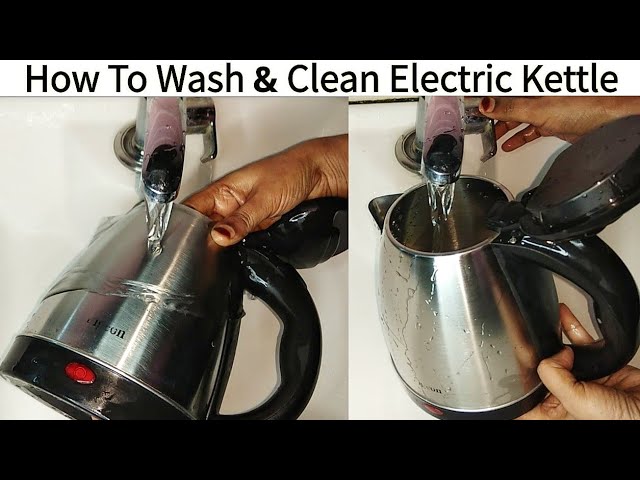
Empty the kettle and rinse it with clean water. Repeat rinsing at least two or three times. Make sure no vinegar smell remains. Wipe the inside with a soft cloth. This step ensures your kettle is clean and ready to use.
Using Baking Soda For Stains
Baking soda is a simple, safe way to clean stains inside an electric kettle. It helps remove tough marks without harsh chemicals. This natural cleaner works well to brighten the kettle’s surface and keep it fresh.
Here is how to use baking soda for stains in your kettle.
Make Baking Soda Paste
Mix two tablespoons of baking soda with a small amount of water. Stir to form a thick paste. The paste should be easy to spread but not too runny.
Scrub Gently
Use a soft cloth or sponge to apply the paste inside the kettle. Rub gently on stained areas. Avoid scrubbing hard to protect the kettle’s surface from scratches.
Rinse Away Residue
After scrubbing, rinse the kettle well with clean water. Make sure all baking soda paste is washed away. Dry the kettle with a soft towel before using it again.
Cleaning The Exterior
Cleaning the exterior of your electric kettle keeps it looking fresh and new. Dirt, dust, and water spots can build up over time. Regular cleaning helps maintain its appearance and hygiene. It also prevents any damage caused by grime or residue. Use gentle methods to avoid scratches or harm to the surface.
Wipe With Damp Cloth
Start by unplugging the kettle and letting it cool. Use a soft cloth dampened with warm water. Gently wipe the outer surface to remove dust and dirt. Avoid soaking the cloth to prevent water from entering the electrical parts. For stubborn spots, add a little mild dish soap to the cloth. Wipe again with a clean, damp cloth to remove soap. Dry the kettle with a soft towel to stop water marks.
Polish For Shine
Polishing makes the kettle shine and look well cared for. Use a small amount of olive oil or a stainless steel cleaner. Apply it to a soft cloth and rub the surface in circular motions. This removes fingerprints and adds a nice shine. Avoid abrasive cleaners or rough cloths that can scratch the surface. Finish by buffing with a dry cloth for a smooth, glossy finish.
Maintaining Your Kettle
Maintaining your electric kettle is key to keeping it working well and lasting longer. Regular care helps avoid build-up and keeps water tasting fresh. It also stops damage and saves energy. Simple habits make a big difference in your kettle’s performance.
Regular Descaling Schedule
Descaling removes mineral build-up inside the kettle. This build-up can block heating parts and slow boiling. Clean your kettle every one to three months, depending on water hardness. Use a vinegar or lemon solution for safe, natural cleaning. Pour the solution in, boil, then rinse well with clean water. This routine keeps your kettle efficient and your drinks tasting good.
Avoiding Common Mistakes
Do not fill the kettle past the maximum level. Overfilling can cause water to spill and damage the electrical parts. Avoid using harsh chemicals or abrasive scrubbers. These can scratch or harm the inside surface. Always unplug the kettle before cleaning outside. Wipe gently with a damp cloth for best results. These simple steps protect your kettle and keep it safe to use.
Credit: www.youtube.com
Frequently Asked Questions
How Often Should I Clean My Electric Kettle?
You should clean your electric kettle every 1 to 2 weeks. Frequent cleaning prevents limescale buildup and maintains water taste. If you use hard water, clean more often to avoid damage and improve kettle efficiency.
What Is The Best Method To Remove Limescale?
Use a mixture of equal parts water and white vinegar. Boil the solution in the kettle, let it sit for 20 minutes, then rinse thoroughly. This method effectively dissolves limescale and keeps your kettle clean.
Can I Use Lemon Juice To Clean My Kettle?
Yes, lemon juice is a natural descaler. Fill the kettle with water and lemon juice, boil, then let it cool. Rinse well afterward. It removes mineral deposits and leaves a fresh scent.
Is It Safe To Clean The Kettle With Baking Soda?
Yes, baking soda is safe and gentle. Mix baking soda with water to form a paste. Apply it to the kettle’s interior, scrub lightly, rinse thoroughly. It removes stains without harming the kettle.
Conclusion
Cleaning your electric kettle keeps it working well and safe to use. Regular cleaning stops buildup and improves taste. Use simple household items like vinegar or lemon for best results. Rinse the kettle thoroughly to avoid leftover residue. Taking care of your kettle saves money and time.
A clean kettle means better water for tea or coffee. Try to clean it every few weeks or after heavy use. Small efforts make a big difference in daily life. Easy steps lead to a longer-lasting appliance.
As an Amazon Associate, I earn from qualifying purchases.