Your electric kettle is one of the most used appliances in your kitchen. But have you ever stopped to think about how clean it really is inside?
Over time, minerals and residue build up, affecting the taste of your water and the kettle’s performance. If you want your kettle to work well and last longer, learning how to wash it properly is key. Keep reading, and you’ll discover simple, effective steps to keep your kettle sparkling clean without damaging it.
Your next cup of tea or coffee will taste better than ever!
Credit: tawanienterprises.com
Why Clean Your Kettle
Keeping your electric kettle clean is important for many reasons. Dirt and limescale build-up can affect how your kettle works. Cleaning it regularly helps keep the water fresh and your kettle safe to use. Here are some key points to understand why cleaning matters.
Effects Of Limescale
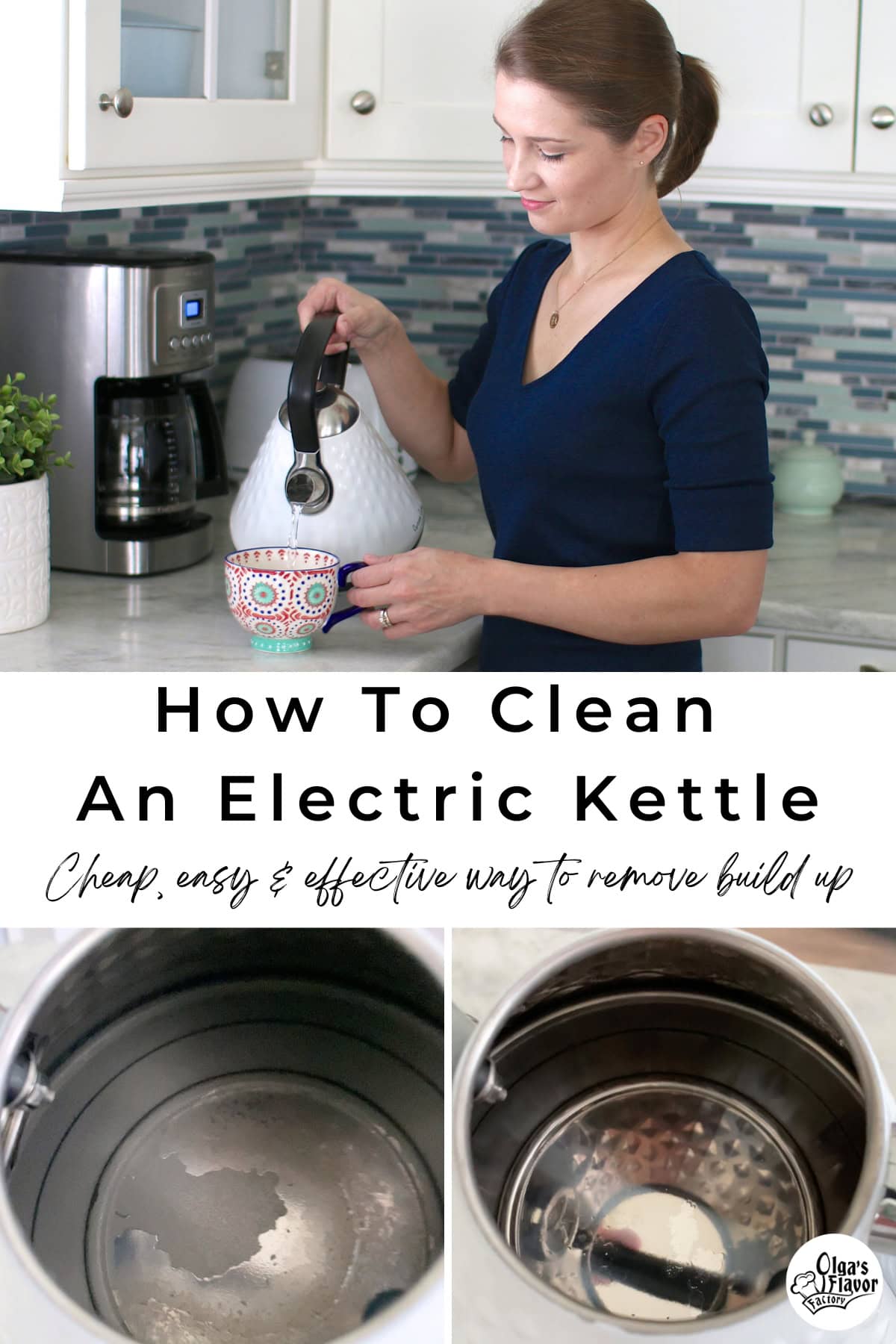
Limescale is a hard, chalky layer that forms inside kettles. It comes from minerals in water. This build-up can block heating parts and slow down boiling. It also makes the kettle use more electricity. Limescale can change the taste of your water. It may even cause damage to the kettle over time.
Benefits Of Regular Cleaning
Cleaning your kettle often stops limescale from building up. It keeps the kettle working well for a longer time. Regular cleaning makes your water taste better and look clearer. It also helps save energy by allowing the kettle to boil faster. A clean kettle is safer and more pleasant to use every day.
Safety Tips Before Cleaning
Cleaning an electric kettle needs care. Safety is very important before you start. Following simple safety steps protects you and your kettle. It also stops damage during cleaning. Here are key safety tips you must know.
Unplugging The Kettle
Always unplug the kettle from the power outlet first. This stops any chance of electric shock. Never touch the kettle with wet hands before unplugging. Wait for the kettle to cool down before cleaning. Unplugging keeps you safe and prevents accidents.
Avoiding Water Damage
Do not submerge the electric kettle in water. Water can damage the electrical parts inside. Use a damp cloth to clean the outside. Be careful not to let water enter the kettle’s base. Keep water away from the power plug and socket area.
Daily Cleaning Routine
Keeping your electric kettle clean every day helps it last longer. A simple daily cleaning routine stops dirt and scale from building up. It also keeps your water tasting fresh and pure. Follow these easy steps to maintain your kettle’s cleanliness.
Rinsing After Use
After boiling water, empty the kettle completely. Rinse the inside with clean water. Swirl the water around to remove loose particles. Pour out the water and let the kettle dry. This quick step stops mineral deposits from forming.
Wiping The Exterior
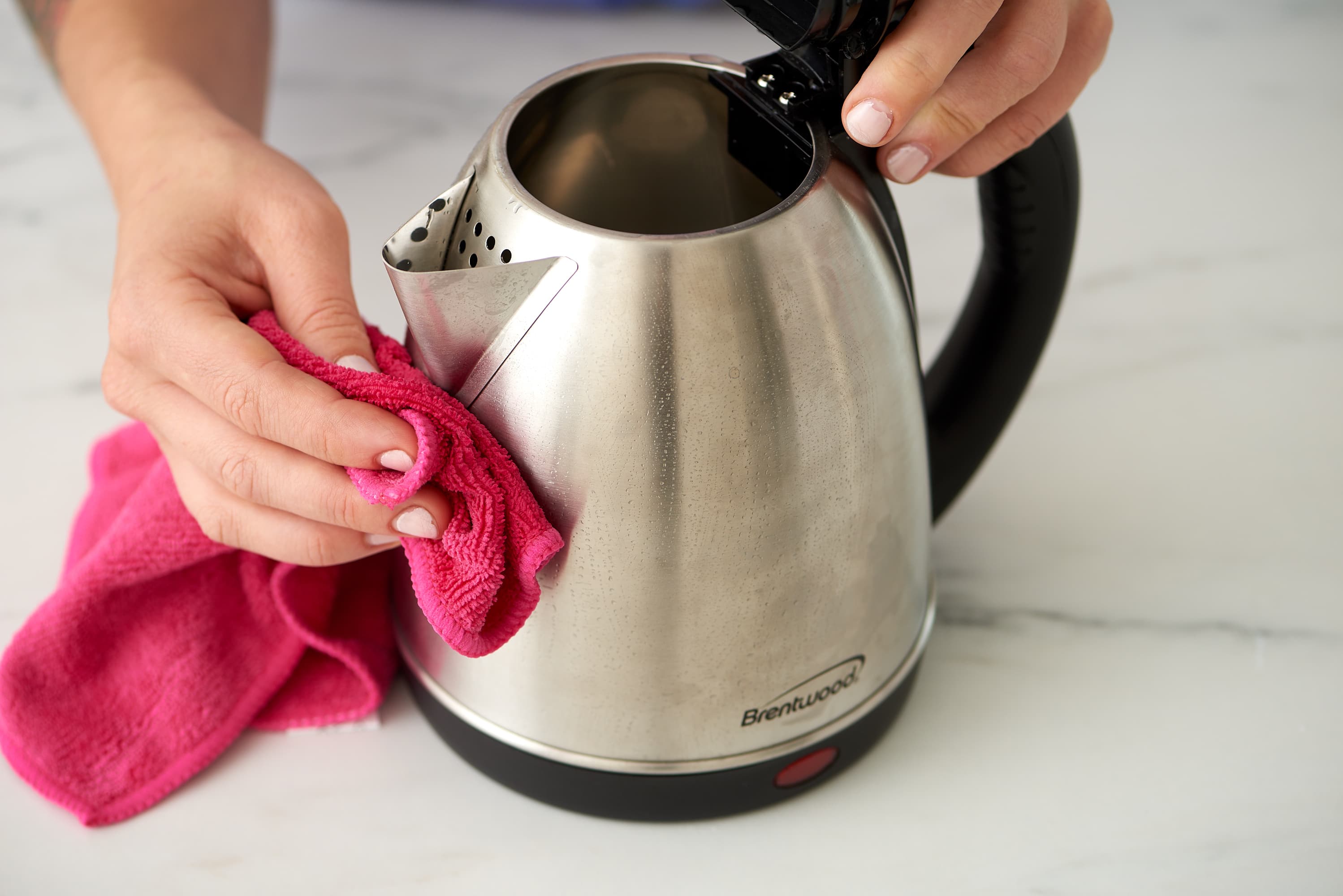
Use a soft cloth to wipe the outside of the kettle. Remove any spots or spills right away. Avoid harsh cleaners that can damage the surface. A damp cloth with mild soap works well. Dry the kettle with a dry cloth to avoid water marks.

Credit: www.youtube.com
Removing Limescale Buildup
Limescale buildup is a common problem in electric kettles. It forms from minerals in water and looks like a white crust. This layer can reduce kettle performance and taste. Regular removal keeps your kettle working well and safe to use.
There are simple ways to remove limescale using natural or commercial products. Each method is easy and uses common ingredients or cleaners. Choose the one that fits your needs and available supplies.
Using Vinegar Solution
Fill the kettle halfway with equal parts water and white vinegar. Boil the mixture and turn off the kettle. Let it sit for 20 to 30 minutes to loosen limescale. Pour out the solution and rinse the kettle several times. Wipe the inside with a soft cloth to remove any residue.
Lemon Juice Method
Pour lemon juice into the kettle, filling it halfway. Boil the juice and leave it to cool for 30 minutes. The acid in lemon juice breaks down limescale naturally. Empty the kettle and rinse it well with clean water. Lemon juice also leaves a fresh scent inside.
Commercial Descalers
Buy a descaler made for electric kettles from a store. Follow the instructions on the package carefully. Usually, you mix the descaler with water and boil it in the kettle. Let it sit for the recommended time before rinsing. Commercial products are strong and fast at removing buildup.
Deep Cleaning Steps
Deep cleaning your electric kettle helps keep it safe and working well. Over time, minerals build up inside. This buildup can affect taste and heating. Follow these steps to clean your kettle deeply and easily.
Filling And Soaking
Fill the kettle with equal parts water and white vinegar. Vinegar breaks down mineral deposits fast. Let the mixture soak for 1 hour. For tough stains, soak for 2 hours. This step loosens all dirt inside the kettle.
Scrubbing The Interior
After soaking, use a soft brush or sponge. Gently scrub the inside walls and bottom. Focus on areas with deposits or stains. Avoid harsh scrubbing to protect the kettle’s surface. This removes loosened dirt and buildup.
Rinsing Thoroughly
Empty the kettle and rinse it well with clean water. Repeat rinsing several times to remove vinegar smell. Make sure no residue remains inside. Dry the kettle with a clean cloth or let it air dry. Your kettle is now fresh and ready to use.
Cleaning The Kettle Exterior
Cleaning the outside of your electric kettle keeps it looking fresh and new. Dirt, dust, and spills can build up over time. Regular cleaning helps protect the surface and keeps your kitchen tidy.
Materials To Use
Soft cloths or sponges work best for cleaning the kettle exterior. Use a damp cloth with mild dish soap for gentle cleaning. Avoid abrasive scrubbers that can scratch the surface. A microfiber cloth also helps remove fingerprints and smudges. Avoid soaking the kettle in water to protect its electrical parts.
Avoiding Damage
Never use harsh chemicals or bleach on your kettle. These can damage the finish and plastic parts. Avoid spraying water directly on the kettle. Instead, wet the cloth first, then wipe. Keep water away from the power base and plug. Dry the kettle fully before plugging it back in. Gentle cleaning keeps your kettle safe and working well.
Drying And Storage Tips
Drying and storing your electric kettle correctly keeps it safe and clean. Proper care extends its life and avoids bad smells or rust. Let’s explore simple ways to dry and store your kettle after washing.
Air Drying
After cleaning, leave the kettle open to dry naturally. Set it upside down on a clean cloth or rack. This helps water drain out fully. Avoid using towels inside the kettle to prevent lint. Letting air flow inside stops moisture buildup. Wait until the kettle is completely dry before closing the lid.
Proper Storage
Store the kettle in a dry, cool place. Avoid damp spots that cause rust or mold. Keep the lid open slightly to allow air circulation. Don’t stack heavy items on top to avoid damage. Make sure the kettle is unplugged and dry before storing. Proper storage keeps your kettle fresh and ready to use.
When To Replace Your Kettle
Knowing when to replace your electric kettle is important for safety and performance. A well-maintained kettle lasts longer and works better. Sometimes, signs show it’s time for a new one. Pay attention to these signs to avoid problems.
Signs Of Wear
Look for cracks or dents on the kettle’s body. The lid may not close tightly anymore. The spout could drip water even after boiling. The power cord might show fraying or damage. The kettle may take longer to boil water than before. Strange noises or smells during use are warning signs.
Safety Concerns
A damaged kettle can cause electric shocks or fires. Water inside the kettle may become unsafe if the heating element is broken. Leaking water near electrical parts is dangerous. If the kettle turns off too early or doesn’t switch off, it can cause overheating. Stop using the kettle immediately if any safety issues arise.
Credit: www.olgasflavorfactory.com
Frequently Asked Questions
How Often Should I Clean My Electric Kettle?
Clean your electric kettle every 1-2 weeks to prevent limescale buildup. Frequent cleaning ensures better taste and prolongs the kettle’s life.
What Is The Best Method To Descale An Electric Kettle?
Use white vinegar or lemon juice to descale your kettle. Fill halfway, boil, then let it sit for 15-20 minutes before rinsing thoroughly.
Can I Wash The Electric Kettle With Soap And Water?
Avoid submerging the kettle in water. Clean the exterior with a damp cloth and mild soap. For the interior, use descaling agents instead.
How Do I Remove Stubborn Stains Inside The Kettle?
Boil a mixture of water and baking soda inside the kettle. Let it cool, then scrub gently with a soft brush for stain removal.
Conclusion
Cleaning your electric kettle keeps it working well and tasting fresh. Use simple steps and safe materials for the best results. Regular washing stops buildup and extends your kettle’s life. A clean kettle saves energy and makes better drinks. Take a few minutes each week to wash it right.
Your daily tea or coffee will taste much better. Small care makes a big difference in your kitchen. Keep your kettle clean, and enjoy every cup.
As an Amazon Associate, I earn from qualifying purchases.