Have you ever wondered what makes your electric kettle boil water so quickly and quietly? Understanding how an electric kettle works can change the way you see this everyday kitchen gadget.
Whether you’re making tea, coffee, or just heating water for a quick meal, knowing the simple magic behind it can save you time and energy. Keep reading, and you’ll discover exactly what powers your kettle—and why it’s one of the smartest tools in your kitchen.
Credit: www.youtube.com
Electric Kettle Basics
An electric kettle heats water quickly and easily. It uses electricity to boil water without the need for a stove. Many homes and offices use electric kettles for making tea, coffee, or instant meals. Understanding how they work helps you choose the right one.
Key Components
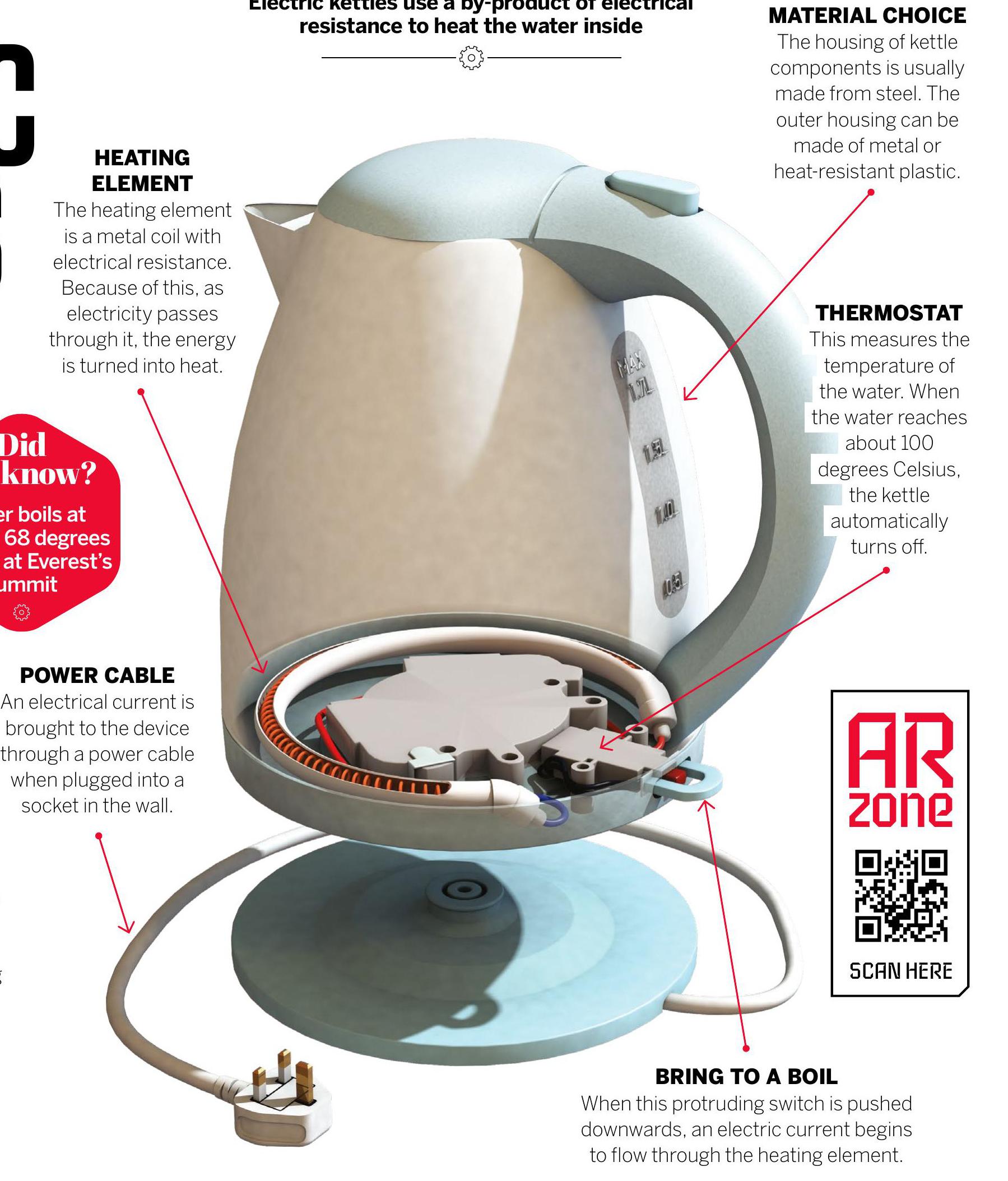
An electric kettle has a few main parts. The heating element is the part that heats the water. It is usually made of metal and sits inside or under the kettle. The kettle body holds the water and is often made of plastic, glass, or metal.
The thermostat controls the temperature. It turns the kettle off when the water boils. The base connects the kettle to the power supply and allows it to be cordless. A lid helps keep the heat inside the kettle while boiling.
Types Of Electric Kettles
There are several types of electric kettles. Basic models have a simple on/off switch and heat water quickly. Temperature control kettles let you choose how hot the water should get. This is good for different drinks like green tea or coffee.
Travel kettles are small and lightweight for easy carrying. Glass kettles show the water level and boiling process. Stainless steel kettles are durable and often have a modern look. Each type offers unique benefits for different needs.
Heating Mechanism
The heating mechanism inside an electric kettle is simple yet very effective. It quickly warms water by changing electrical energy into heat. This process happens in just a few minutes. The key to this speed is the heating element, which is built inside the kettle.
Role Of The Heating Element
The heating element is a metal coil or plate. It sits at the base or inside the kettle. When the kettle is turned on, electricity flows through this element. The coil resists the electrical flow, causing it to heat up. This heat then transfers directly to the water. The design ensures that the water heats evenly and quickly. The element is safe and built to last for many uses.
How Electricity Converts To Heat
Electricity flows through the heating element as an electric current. The element offers resistance to this current. This resistance changes electrical energy into heat energy. This heat raises the water temperature fast. The process is very efficient, with little energy wasted. It allows the kettle to boil water quickly and save energy.
Temperature Control
Temperature control is a key feature of an electric kettle. It helps heat water to the right temperature. This makes the kettle safe and energy-efficient. The control system uses simple but smart parts. These parts work together to stop heating at the right time.
Thermostat Function
The thermostat checks water temperature inside the kettle. It has a small sensor that feels heat changes. When water reaches the set temperature, the thermostat sends a signal. This signal tells the kettle to stop heating. This prevents water from boiling too long. It helps save energy and avoids overheating.
Auto Shut-off Feature
The auto shut-off turns off the kettle automatically. It works with the thermostat to keep water safe. Once the water is hot enough, the kettle switches off. This stops boiling and prevents accidents. The feature also protects the kettle from damage. It gives peace of mind during use.

Credit: www.youtube.com
Materials And Design
Electric kettles rely on smart materials and design to heat water quickly and safely. The choice of materials affects how well the kettle works and how long it lasts. Design elements also play a key role in efficiency and user safety.
Common Materials Used
Stainless steel is popular for electric kettles. It is strong, durable, and resists rust. Many kettles use plastic parts to reduce weight and cost. Food-grade plastic is safe and heat resistant. Glass kettles offer a clear view of the water level. Some kettles combine these materials for the best features.
Impact On Efficiency And Safety
Materials influence how fast the kettle heats water. Metal bases heat quickly and spread heat evenly. Plastic handles stay cool to prevent burns. Designs include automatic shut-off to avoid overheating. Insulated walls keep water hot longer. Well-chosen materials and design improve safety and save energy.
Energy Efficiency
Energy efficiency is a key reason many choose electric kettles. They heat water quickly, using less power than many other methods. This saves electricity and reduces your utility bills. Efficient heating also means less time waiting for hot water. That convenience is hard to beat.
Comparison With Other Heating Methods
Electric kettles use a built-in heating element. This element heats water directly. Stovetop kettles heat water indirectly. They transfer heat from the burner to the kettle. This process wastes more energy. Microwaves heat unevenly and take longer. Electric kettles use nearly all the energy for heating water. This makes them more efficient and faster.
Tips For Saving Energy
Fill the kettle only with the amount of water you need. Boiling more water wastes electricity. Use the kettle’s auto-shutoff feature to avoid overboiling. Keep the kettle clean to maintain heating efficiency. Avoid reheating water repeatedly. Each boil uses energy. These small habits add up to big savings.
Credit: gb.readly.com
Maintenance And Safety Tips
Keeping an electric kettle in good shape helps it last longer and work safely. Regular care stops problems before they start. Simple steps keep your kettle clean and protect you from risks. Follow these easy tips to enjoy hot water anytime without worry.
Cleaning The Kettle
Remove limescale buildup by boiling a mix of water and vinegar inside. Let it sit for 15 minutes. Then, rinse well with clean water. Wipe the outside with a damp cloth. Avoid harsh cleaners that can damage the surface. Clean the kettle every few weeks to keep it fresh.
Preventing Electrical Hazards
Always unplug the kettle before cleaning or filling it. Keep the cord dry and away from water. Check the plug and cable for damage regularly. Do not use the kettle if the cord is frayed or loose. Place the kettle on a flat, dry surface to avoid accidents. Never leave it unattended while boiling water.
Frequently Asked Questions
How Does An Electric Kettle Heat Water Quickly?
An electric kettle uses a metal heating element to heat water fast. The element converts electricity into heat, warming the water efficiently. Its design ensures minimal heat loss, speeding up boiling compared to stovetop kettles.
What Safety Features Do Electric Kettles Have?
Electric kettles include automatic shut-off and boil-dry protection. These features turn off the kettle once water boils or if no water is inside. This prevents overheating, accidents, and damage, making them safe for everyday use.
Why Is The Heating Element Inside Or Outside The Kettle?
Some kettles have concealed heating elements for easy cleaning and safety. External elements heat water quickly but may build limescale faster. The design choice affects maintenance, durability, and heating efficiency.
Can Electric Kettles Save Energy Compared To Stovetops?
Yes, electric kettles are more energy-efficient. They heat water directly and faster, reducing wasted heat. This efficiency saves electricity and lowers energy bills compared to traditional stovetop boiling methods.
Conclusion
An electric kettle heats water quickly using a hidden heating element. It stops automatically when water boils. This makes it safe and easy to use. You save time and energy compared to boiling water on a stove. Understanding how it works helps you use it better.
Now you can enjoy hot drinks anytime without waiting long. Simple, fast, and reliable—an electric kettle fits well in every kitchen.
As an Amazon Associate, I earn from qualifying purchases.