If you’ve noticed your electric kettle taking longer to boil or leaving behind white, chalky residue, it’s time to descale it. Descaling your kettle isn’t just about keeping it clean—it helps it work better, last longer, and saves you money on energy bills.
You might think it’s complicated or takes too much time, but it’s easier than you imagine. Keep reading, and you’ll learn simple, effective steps to get your kettle back to peak performance quickly.
Why Descaling Matters
Descaling an electric kettle is important to keep it working well. Over time, minerals in water build up inside the kettle. This build-up is called limescale. It can cause many problems. Knowing why descaling matters helps you care for your kettle better. It saves money and keeps your water tasting fresh.
Impact Of Limescale On Performance
Limescale forms a hard layer inside the kettle. This layer slows down heating. The kettle takes longer to boil water. It uses more electricity because of the extra work. The kettle may stop working sooner. Limescale can block the water flow too. This reduces the kettle’s efficiency.
Health Benefits Of Regular Cleaning
Limescale can hold dirt and germs. Cleaning removes these harmful substances. Fresh water tastes better and is safer to drink. Regular descaling stops bacteria from growing. It helps keep your family healthy. Clean kettles also avoid bad smells. A clean kettle means clean, pure water every time.

Credit: www.arloren.com
Signs Your Kettle Needs Descaling
Knowing when to descale your electric kettle helps keep it working well. Scale buildup harms the kettle and affects water quality. Watch for clear signs that show your kettle needs descaling. These signs help avoid damage and keep your water tasting fresh.
Slow Boiling Times
Your kettle takes longer to boil water than before. Scale buildup inside the kettle blocks heat transfer. This makes the kettle work harder and slows boiling. If boiling time increases, it likely needs descaling soon.
Visible Scale Buildup
Look inside the kettle for white or gray deposits. These hard mineral deposits are called limescale. They form when water heats and minerals stick to the surface. Visible scale means your kettle needs cleaning to remove buildup.
Unusual Odors Or Taste
Water from the kettle smells or tastes different than usual. Scale can trap odors or affect water flavor. Strange smells or bad taste signal the kettle needs descaling. Clean the kettle to restore fresh water flavor and smell.
Choosing The Right Descaling Method
Choosing the right descaling method is key to keep your electric kettle working well. Different methods suit different needs and preferences. Some use natural ingredients, while others rely on special products. The goal is to remove mineral buildup safely and quickly. Below are easy options to consider.
Using Vinegar
Vinegar is a popular natural choice for descaling kettles. It breaks down minerals like lime and calcium. Mix equal parts of water and white vinegar. Fill the kettle halfway with this solution. Let it sit for 20 to 30 minutes. Then, boil the mixture inside the kettle. After boiling, pour out the solution and rinse the kettle well. Vinegar is cheap and effective but has a strong smell. Rinse thoroughly to remove the vinegar taste.
Using Lemon Juice
Lemon juice is another natural method to clean your kettle. It has mild acid that dissolves mineral deposits. Squeeze fresh lemon juice or use bottled lemon juice. Mix it with water in the kettle, about half and half. Boil the mixture and let it cool. Empty the kettle and rinse it with clean water. Lemon juice leaves a fresh smell and is gentle on the kettle. It is a good choice for light scaling.
Commercial Descaling Products
Commercial descaling products are made specifically for electric kettles. They work fast and remove tough scale. Follow the instructions on the package carefully. Usually, you dissolve the product in water and boil it in the kettle. After boiling, empty the kettle and rinse it well. These products may cost more but are very effective. Use them if natural methods don’t remove all the buildup.
Credit: alexismonod.com
Step-by-step Descaling Guide
Descaling an electric kettle keeps it working well and extends its life. Over time, minerals build up inside the kettle. This can affect the taste of water and slow heating. Follow this step-by-step guide to clean your kettle easily and safely.
Preparing The Solution
Fill the kettle halfway with water. Add white vinegar or lemon juice to the water. Use equal parts of water and vinegar or lemon juice. This solution will help dissolve the mineral buildup inside the kettle.
Soaking The Kettle
Turn on the kettle and let the solution boil. After boiling, unplug the kettle. Let the solution sit for 20 to 30 minutes. This soaking softens the scale and makes it easier to remove.
Rinsing Thoroughly
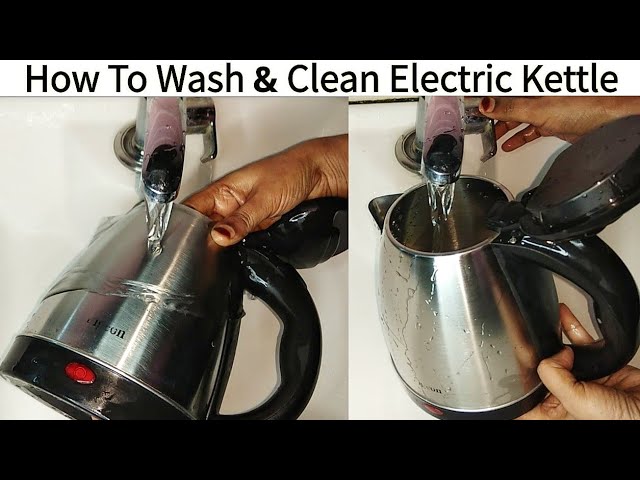
Pour out the solution carefully. Rinse the kettle with clean water several times. Fill and empty the kettle with fresh water at least twice. This removes any leftover vinegar or lemon taste. Your kettle is now clean and ready to use.
Tips For Maintaining A Clean Kettle
Keeping your electric kettle clean helps it last longer and work better. Dirt and scale build-up affect taste and performance. Follow these simple tips to maintain a clean kettle. This saves time and keeps your water tasting fresh.
Regular Cleaning Schedule
Clean your kettle at least once a week. Use warm water and mild soap to wash the inside. Rinse well to remove soap residue. For scale, use vinegar or lemon juice to descale monthly. Regular cleaning stops build-up and keeps your kettle safe.
Avoiding Hard Water Build-up
Hard water causes scale that clogs your kettle. Use filtered or bottled water if possible. Boil only the amount you need to avoid leftover water. Empty the kettle after use to prevent deposits. These steps reduce mineral build-up and keep your kettle clean longer.
Proper Storage Practices
Store your kettle in a dry place. Keep the lid open after cleaning to air it out. Avoid placing it near heat sources or moisture. Proper storage stops mold and bad smells. It also protects the kettle’s parts and keeps it ready for use.

Credit: sanvicentebenavente.es
Troubleshooting Common Issues
Troubleshooting common issues helps keep your electric kettle working well. Some problems might stop the kettle from working properly. Knowing how to fix these issues saves time and money.
Persistent Scale Deposits
Scale deposits may not come off with regular cleaning. Use white vinegar or lemon juice to remove tough scale. Fill the kettle halfway with the solution and boil it. Let it sit for 30 minutes before rinsing. Repeat if scale remains. Avoid harsh scrubbing to protect the kettle’s surface.
Kettle Not Heating Properly
A kettle that heats slowly or not at all needs attention. Check if the power cord and plug are secure. Scale buildup can block heating elements and reduce heat. Descale the kettle thoroughly to fix this. If problems continue, the heating element may be damaged. Consult a professional or replace the kettle if needed.
Frequently Asked Questions
How Often Should I Descale My Electric Kettle?
You should descale your electric kettle every 1 to 3 months. Frequency depends on water hardness and usage. Regular descaling prevents limescale buildup. This keeps your kettle efficient and extends its lifespan.
What Household Items Can I Use To Descale A Kettle?
Common items like white vinegar or lemon juice effectively descale kettles. Mix with water, boil, then rinse thoroughly. These natural solutions remove limescale safely and are eco-friendly alternatives to chemical cleaners.
Can I Use Commercial Descaling Products Safely?
Yes, commercial descaling products are safe if used as directed. Follow manufacturer instructions carefully. Rinse the kettle well after use to remove any residue. These products quickly remove tough limescale deposits.
How Do I Know When My Kettle Needs Descaling?
Signs include slower boiling, unusual noises, and visible limescale buildup. A white crust inside the kettle indicates scaling. Descaling improves performance and prevents damage. Regular checks help maintain your kettle’s efficiency.
Conclusion
Regular descaling keeps your electric kettle working well. It stops limescale from building up inside. Use simple household items like vinegar or lemon juice. Clean your kettle every few weeks for best results. This helps your water taste better and heats faster.
Save money by avoiding repairs or replacements. A clean kettle lasts longer and stays safe to use. Small steps can make a big difference in daily life. Try descaling today and enjoy fresh, hot water anytime.
As an Amazon Associate, I earn from qualifying purchases.