Is your electric kettle taking longer to boil water or leaving white, crusty deposits inside? These are signs that your kettle needs descaling.
If you want your kettle to work efficiently and last longer, you need to remove the buildup of minerals. You’ll learn simple and effective steps to descale your electric kettle quickly and safely. Keep reading to save time, improve your kettle’s performance, and enjoy better-tasting tea and coffee every day.
Why Descale Your Kettle
Descaling your electric kettle is important for its performance and your health. Over time, mineral deposits build up inside the kettle. These deposits, called limescale, affect how well your kettle works. Removing them keeps your kettle clean and safe to use.
Effects Of Limescale
Limescale forms from minerals in hard water. It appears as a white, chalky layer inside the kettle. This layer slows down heating and increases energy use. Limescale can make water taste strange or smell bad. It may also cause the kettle to break or wear out faster.
Benefits Of Regular Cleaning
Cleaning your kettle often stops limescale from building up. It helps your kettle heat water quickly and use less electricity. Regular cleaning keeps the water tasting fresh and healthy. It also extends the life of your kettle and saves money on repairs.

Credit: speechandvoice.com
Materials Needed
Descaling an electric kettle keeps it working well and clean. You need a few simple materials to do this task safely and effectively. Knowing what to gather helps you start the process without delay.
Common Descaling Agents
White vinegar is a popular choice for removing scale. It is natural and easy to find in any home. Lemon juice also works well and leaves a fresh scent. Commercial descaling powders or liquids offer strong cleaning power. Choose a descaling agent that suits your preference and kettle type.
Tools And Supplies
You need a soft cloth or sponge for wiping the kettle. A measuring cup helps to mix the descaling solution properly. A small brush can clean hard-to-reach spots. Have clean water ready for rinsing after descaling. These tools make the process simple and thorough.
Preparing For Descaling
Preparing your electric kettle for descaling is a key step. It makes the process safer and more effective. Taking time to prepare helps protect the kettle and you. Follow these simple steps before you start descaling.
Safety Precautions
Unplug the kettle from the power source. Never descale a kettle while it is plugged in. Let the kettle cool down if recently used. Hot surfaces can cause burns. Use gloves if you have sensitive skin or allergies. Work in a well-ventilated area. Keep children and pets away during the process.
Emptying The Kettle
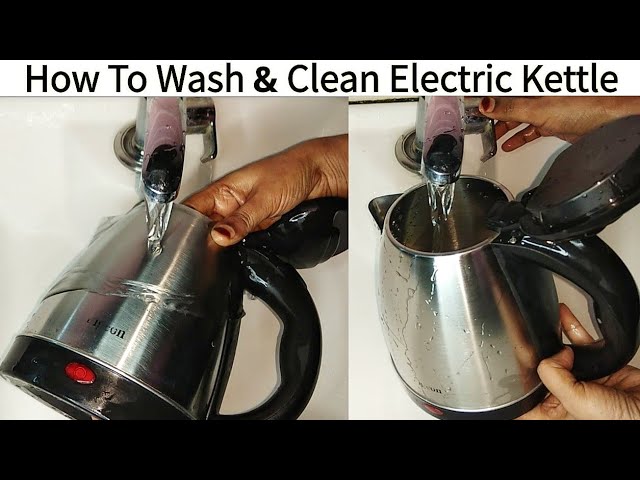
Remove any water left inside the kettle. Pour out all the water completely. Check the kettle for loose debris or scale pieces. Wipe the inside gently with a soft cloth if needed. Ensure the kettle is dry before adding descaling agents. This helps the solution work better.
Credit: alexismonod.com
Descaling With Vinegar
Descaling an electric kettle is important to keep it working well. Vinegar is a natural and cheap way to remove limescale. It helps clean the inside of the kettle safely. This method is easy and uses simple ingredients found at home.
Mixing The Solution
Start by mixing equal parts of white vinegar and water. Use enough to fill half the kettle. This mix will dissolve the limescale effectively. Avoid using strong vinegar only, as it might smell too strong.
Soaking And Boiling
Pour the vinegar solution into the kettle. Let it soak for 30 minutes to loosen the scale. After soaking, turn on the kettle and let it boil. Boiling helps the vinegar work faster on the limescale.
Rinsing Thoroughly
Empty the kettle after boiling. Rinse it several times with fresh water. Make sure to remove all vinegar smell and taste. Wipe the inside with a clean cloth if needed. Your kettle is now clean and ready to use.
Descaling With Citric Acid
Descaling an electric kettle is important to keep it working well. Citric acid is a natural and safe way to remove limescale. It dissolves mineral build-up fast and leaves no bad smell.
This method is simple and uses common kitchen ingredients. It helps your kettle heat water better and last longer. Here is how to descale with citric acid step by step.
Creating The Mixture
Start by measuring 1 to 2 tablespoons of citric acid powder. Add it to about 1 liter of warm water. Stir the mixture well until the powder fully dissolves. This creates a strong solution to break down limescale.
Heating Process
Pour the citric acid solution into your electric kettle. Turn on the kettle and let the water boil. Once boiled, keep the solution inside for 15 to 20 minutes. This allows the acid to work on the hard deposits.
Cleaning Residues
After soaking, pour out the mixture carefully. Rinse the kettle several times with clean water. Use a soft cloth to wipe the inside gently. This removes any leftover scale and acid. Your kettle should now be clean and fresh.
Descaling With Commercial Products
Descaling an electric kettle with commercial products is a quick way to remove limescale. These products are made to dissolve the hard mineral buildup inside kettles. They save time and effort compared to natural methods. Commercial descalers are safe when used as directed and keep your kettle working well.
Choosing The Right Product
Pick a descaler made for electric kettles. Check the label for safety information. Avoid harsh chemicals that can damage the kettle’s heating element. Look for products with clear instructions and good user reviews. Choose a product that works fast and is easy to rinse out.
Application Steps
First, empty the kettle and fill it with water. Add the recommended amount of descaler to the water. Turn on the kettle and let the solution heat up. After heating, let the mixture sit for the time stated in the instructions. Pour out the solution carefully and rinse the kettle well.
Post-cleaning Care
Rinse the kettle multiple times with clean water. Boil fresh water once or twice before using the kettle again. Wipe the outside of the kettle with a damp cloth. Regular descaling prevents buildup and extends the kettle’s life. Store your kettle in a dry place to avoid new scale forming.
Tips To Prevent Limescale
Limescale builds up inside electric kettles over time. It affects the kettle’s efficiency and taste of water. Preventing limescale saves time and keeps your kettle working well. Simple steps help reduce limescale and prolong your kettle’s life.
Using Filtered Water
Filtered water has fewer minerals that cause limescale. Using filtered water lowers the amount of scale inside your kettle. It also improves the taste of boiled water. Try to avoid hard tap water for boiling. Filtered water keeps your kettle cleaner longer. A water filter pitcher or faucet filter works well.
Regular Maintenance Routine
Cleaning your kettle often stops limescale from building up. Empty the kettle after each use to avoid leftover water. Wipe the inside with a soft cloth regularly. Run a descaling solution or vinegar mix every few weeks. This removes small deposits before they get worse. A clean kettle heats water faster and lasts longer.
Troubleshooting Common Issues
Descaling an electric kettle is simple, but problems can still arise. Knowing how to fix common issues helps keep your kettle working well. This section covers typical problems and solutions for descaling troubles.
Stubborn Limescale Spots
Sometimes, limescale does not come off easily. Use a mix of vinegar and water for better results. Let the solution sit inside the kettle for 30 minutes. Scrub gently with a soft brush or cloth. Avoid harsh tools to prevent damage.
Kettle Odors
After descaling, strange smells may linger. Fill the kettle with clean water and boil it twice. This clears out leftover vinegar or lemon smell. Leaving the lid open helps air out the kettle faster.
Performance Problems
A kettle that heats slowly may have hidden limescale. Repeat the descaling process more often. Check the power cord and plug for damage. Clean the filter regularly to improve water flow and heating.

Credit: sanvicentebenavente.es
Frequently Asked Questions
How Often Should I Descale My Electric Kettle?
You should descale your electric kettle every 1 to 3 months. Frequency depends on water hardness and usage. Regular descaling prevents limescale buildup and maintains kettle efficiency.
What Household Items Can I Use To Descale Kettles?
Common descaling agents include white vinegar, lemon juice, and baking soda. These natural products effectively dissolve limescale without harsh chemicals. They are safe and eco-friendly options for kettle maintenance.
Is Vinegar Safe For Descaling Electric Kettles?
Yes, white vinegar is safe and effective for descaling electric kettles. Use a diluted solution and rinse thoroughly after descaling. Avoid using undiluted vinegar to prevent damage to the kettle’s interior.
Can I Use Commercial Descaling Products For Kettles?
Yes, commercial descaling products are designed specifically for kettles. Follow the manufacturer’s instructions carefully for safe and effective use. They work quickly to remove tough limescale deposits.
Conclusion
Descaling your electric kettle keeps it working well and lasting longer. Regular cleaning stops build-up that can damage the kettle. Use simple ingredients like vinegar or lemon for safe descaling. Take a few minutes every few weeks to clean it.
Your tea or coffee will taste better too. A clean kettle saves energy and money over time. Small efforts bring big benefits. Keep your kettle fresh and enjoy hot drinks anytime.
As an Amazon Associate, I earn from qualifying purchases.