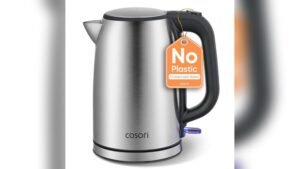
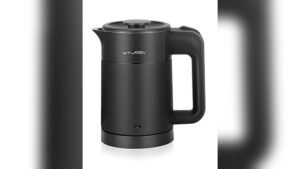
You use your electric tea kettle every day to enjoy hot, comforting drinks. But have you ever thought about how clean it really is inside?
Over time, mineral deposits and buildup can affect the taste of your tea and even shorten your kettle’s life. Cleaning your electric tea kettle is easier than you think, and doing it right can make a big difference. In this guide, you’ll learn simple, effective steps to keep your kettle sparkling clean and working perfectly.
Keep reading—you’ll be surprised how quick and satisfying this simple task can be!

Credit: finuniverblg.ru.net
Choosing The Right Cleaning Supplies
Choosing the right cleaning supplies is important for maintaining your electric tea kettle. The right tools and agents help remove stains and buildup without damaging the kettle. Using harsh chemicals or rough tools can harm the surface or internal parts. Keep your kettle safe and clean by selecting gentle and effective cleaning supplies. This section covers safe cleaning agents and tools you will need.
Safe Cleaning Agents
Use mild and natural cleaners to protect your kettle. White vinegar is excellent for removing mineral deposits. It dissolves limescale without harsh chemicals. Baking soda is another safe choice for scrubbing. It cleans gently and leaves no residue. Avoid bleach or strong detergents. These can corrode metal and plastic parts. Choose products labeled safe for kitchen appliances. Always rinse the kettle well after cleaning.
Tools You’ll Need
Gather soft cleaning tools to avoid scratches. A soft sponge or cloth works best. Use a small brush for hard-to-reach areas. Avoid steel wool or abrasive pads. These can damage the kettle’s surface. A measuring cup helps mix cleaning solutions easily. Use a soft towel to dry the kettle after cleaning. Having the right tools makes the task quick and safe.

Credit: www.esseg.eu
Preparing The Kettle For Cleaning
Preparing your electric tea kettle for cleaning is the first step to keep it working well. Proper preparation helps avoid damage and ensures safe cleaning. Follow these simple steps before you start the cleaning process.
Taking time to prepare the kettle also helps remove any leftover water or heat. This way, cleaning becomes easier and more effective.
Unplugging And Cooling Down
Always unplug the kettle from the power source before cleaning. This step prevents electric shock and keeps you safe. Let the kettle cool down completely. Hot surfaces can cause burns. Wait at least 15 to 20 minutes to be sure it is safe to touch.
Emptying The Kettle
Pour out any remaining water from the kettle. Leftover water can dilute cleaning solutions. Remove all water to clean the inside well. Check the kettle’s spout and lid for water too. Dry with a soft cloth if needed.
Removing Scale And Mineral Deposits
Removing scale and mineral deposits from your electric tea kettle is important. These deposits form over time from minerals in water. They can make your kettle work less efficiently. They also affect the taste of your tea. Cleaning them regularly keeps your kettle in good shape.
Several easy methods help remove these deposits safely. Use common household items or special products. Each method works well for different needs and preferences. Choose one that fits your routine.
Using Vinegar For Descaling
Vinegar is a popular choice for removing scale. Fill the kettle halfway with equal parts water and white vinegar. Let it sit for 30 minutes to an hour. Then boil the mixture. Turn off the kettle and wait for 15 minutes. Pour out the solution and rinse the kettle thoroughly. Wipe the inside with a soft cloth. This method dissolves mineral buildup effectively.
Lemon Juice Alternative
Lemon juice works well as a natural descaler. Fill the kettle with water and add fresh lemon juice or lemon slices. Boil the mixture and let it cool. The acidity in lemon helps break down deposits. Pour out the water and rinse the kettle several times. This method leaves a fresh scent and cleans gently.
Commercial Descaling Products
Special descaling products are available for electric kettles. Follow the instructions on the package carefully. These products contain chemicals designed to remove tough scale quickly. Use them occasionally for deep cleaning. Rinse the kettle well after use to avoid taste changes. They are safe and effective when used properly.
Cleaning The Exterior
Cleaning the exterior of your electric tea kettle keeps it looking neat and working well. Dirt, fingerprints, and spills can build up outside the kettle. Regular cleaning stops grime from hardening and damaging the surface. A clean kettle also looks good on your kitchen counter.
Wiping With Mild Detergents
Use a soft cloth and mild detergent to clean the outside. Mix a small amount of detergent with warm water. Dip the cloth in the solution and wring it out well. Gently wipe the kettle’s surface to remove stains and dirt. Avoid scrubbing hard to protect the finish. After wiping, use a dry cloth to remove moisture.
Avoiding Water Damage
Do not soak the kettle or use too much water. Water inside the electrical parts can cause damage or short circuits. Keep water away from the base and control buttons. Use a damp cloth only. Make sure the kettle is unplugged before cleaning. Dry the exterior completely before plugging it back in.
Rinsing And Drying
Rinsing and drying an electric tea kettle is a key step in keeping it clean and safe. Proper rinsing removes all cleaning agents and leftover dirt. Drying prevents water spots and stops bacteria growth. These steps help the kettle last longer and work well.
Thorough Rinsing Steps
Start by filling the kettle halfway with clean water. Swirl the water around to remove any loose dirt. Pour the water out completely. Repeat this rinsing process at least two times. Use a soft cloth to wipe the inside gently. Check for any remaining soap or residue. Do not rinse under running water to avoid electrical damage.
Proper Drying Techniques
After rinsing, leave the kettle open to air dry. Place it upside down on a clean towel. Use a dry cloth to wipe the outside and the lid. Avoid using paper towels that can leave fibers behind. Make sure the kettle is fully dry before plugging it in. Drying prevents rust and keeps the kettle fresh.
Maintaining Your Kettle Regularly
Maintaining your electric tea kettle regularly keeps it working well and extends its life. Cleaning stops mineral build-up, which can slow heating and change the taste of your water. A clean kettle looks better and saves energy too. Regular care is simple and takes just a few minutes.
Frequency Of Cleaning
Clean the kettle every one to two weeks if you use it daily. Hard water areas need more frequent cleaning to remove minerals. If you use the kettle less, clean it at least once a month. Watch for white or crusty spots inside the kettle. These signs mean it’s time to clean.
Tips To Prevent Build-up
Use filtered or distilled water to reduce mineral deposits. Empty the kettle after each use to stop water sitting inside. Dry the inside and lid with a soft cloth after emptying. Avoid boiling water for too long, as it causes more build-up. Wipe the outside regularly to keep it shiny and clean.

Credit: finuniverblg.ru.net
Frequently Asked Questions
How Often Should I Clean My Electric Tea Kettle?
Clean your electric tea kettle every 1 to 2 weeks. Regular cleaning prevents scale buildup and ensures better tasting water. Frequent use requires more frequent cleaning. This helps maintain the kettle’s efficiency and prolongs its lifespan.
What Is The Best Way To Remove Limescale?
Use a mixture of equal parts water and white vinegar. Fill the kettle halfway, boil the solution, then let it sit for 15 minutes. Rinse thoroughly with clean water to remove any vinegar taste and residue.
Can I Use Baking Soda To Clean My Kettle?
Yes, baking soda effectively removes stains and odors. Mix 1-2 teaspoons with water, boil the solution in the kettle, then rinse well. It’s a gentle, natural cleaner safe for most electric kettles.
Is It Safe To Use Lemon Juice For Cleaning?
Lemon juice is a natural descaler and deodorizer. Use fresh lemon juice diluted with water, boil in the kettle, and let it sit. Rinse thoroughly afterward to remove any citrus residue.
Conclusion
Cleaning your electric tea kettle keeps it working well and safe. Regular care stops buildup and improves taste. Use gentle, natural cleaners like vinegar or lemon. Avoid harsh scrubbing to protect the kettle’s surface. Make cleaning a simple habit after every few uses.
This small effort saves money and extends your kettle’s life. Enjoy fresh, great-tasting tea every time you boil water. Simple steps lead to a cleaner, better kettle experience. Easy to do, easy to remember. Your kettle will thank you.
As an Amazon Associate, I earn from qualifying purchases.