Have you ever wondered how delicate semiconductor wafers move smoothly inside high-tech factories without getting damaged? The secret lies in a smart piece of equipment called the vacuum operated semiconductor wafer robot.
This robot uses suction to pick up and place wafers with incredible precision, keeping your devices reliable and powerful. If you want to understand how this technology works and why it’s so important for your electronics, keep reading—this article will break it down in a simple, clear way just for you.

Credit: www.researchgate.net
Vacuum Robots In Semiconductor Industry
Vacuum-operated robots play a key role in the semiconductor industry. They handle delicate wafers with great care. These robots use suction to pick and place wafers without damaging them. This method protects the wafers from scratches and contamination. Precision and cleanliness are essential in semiconductor manufacturing. Vacuum robots meet these strict requirements effectively.
These robots work in cleanroom environments. They reduce human contact, lowering the risk of errors. By using vacuum power, the robots hold wafers firmly but gently. This technology improves production speed and quality in chip making.
Role In Wafer Handling
Vacuum robots handle wafers during various manufacturing steps. They pick wafers from one station and move them to another. This includes processes like inspection, cleaning, and coating. The vacuum suction ensures wafers do not slip or fall. Robots can handle very thin and fragile wafers safely. They also work with different wafer sizes and shapes. Their precision helps maintain the wafer’s integrity throughout production.
Advantages Over Mechanical Grippers
Vacuum robots offer several advantages compared to mechanical grippers. Mechanical grippers can damage wafers by applying too much force. Vacuum suction holds wafers evenly without pressure points. This reduces the chance of cracks or chips. Vacuum robots are faster because they do not need to adjust grip force. They also create less vibration during handling. Less vibration means fewer defects in the wafers. Vacuum robots require less maintenance than mechanical grippers. They are also easier to clean, which is vital in cleanrooms.
Basic Components Of Vacuum Wafer Robots
Vacuum operated semiconductor wafer robots play a crucial role in handling delicate wafers. Their design ensures wafers move safely during manufacturing. Understanding the basic components helps to see how these robots work efficiently. Each part has a specific function that supports precise wafer handling.
Vacuum Generation System
The vacuum generation system creates the suction force needed to hold wafers. It uses pumps or ejectors to produce a steady vacuum. This vacuum grabs the wafer without causing damage. Proper vacuum levels ensure wafers do not slip or break. The system must maintain clean and stable suction throughout the process.
End Effector Design
The end effector is the robot’s hand that holds the wafer. It uses vacuum cups or pads to pick up the wafer gently. Its shape matches wafer size and thickness for secure grip. The design avoids scratches or pressure points on the wafer surface. A well-built end effector improves handling speed and accuracy.
Sensors And Control Units
Sensors monitor vacuum pressure and wafer position constantly. They send data to control units for real-time adjustments. Control units regulate vacuum levels and robot movements precisely. This ensures wafers are handled safely and placed correctly. Sensors also detect faults early, preventing wafer damage or loss.
Vacuum Creation And Control
Vacuum creation and control play a vital role in semiconductor wafer robots. These robots use vacuum suction to pick and place delicate wafers. The vacuum system must be precise and stable. This ensures wafers are handled safely without damage. Understanding how vacuum is created and managed helps appreciate the robot’s function.
Types Of Vacuum Pumps
Vacuum pumps generate the suction needed for wafer robots. Several types exist, each with unique features. Rotary vane pumps are common for low to medium vacuum levels. They work by rotating vanes that trap and move air out.
Diaphragm pumps use a flexible membrane to create suction. They are oil-free and good for cleanroom environments. Turbomolecular pumps reach very high vacuum levels. These pumps spin fast to push air molecules away.
Choosing the right pump depends on the vacuum level and cleanliness required. Pumps must also match the robot’s speed and wafer sensitivity.
Pressure Regulation Techniques
Controlling vacuum pressure is crucial to avoid wafer damage. Sensors monitor the vacuum level continuously. Feedback systems adjust the pump speed or valves to keep pressure steady.
Flow restrictors limit the vacuum flow to prevent sudden drops. Vacuum reservoirs store suction to smooth out pressure changes. Soft-start valves increase vacuum slowly to protect wafers during pickup.
These regulation methods ensure the robot maintains a reliable grip. They help handle wafers gently and with great accuracy.
Wafer Pick And Place Mechanism
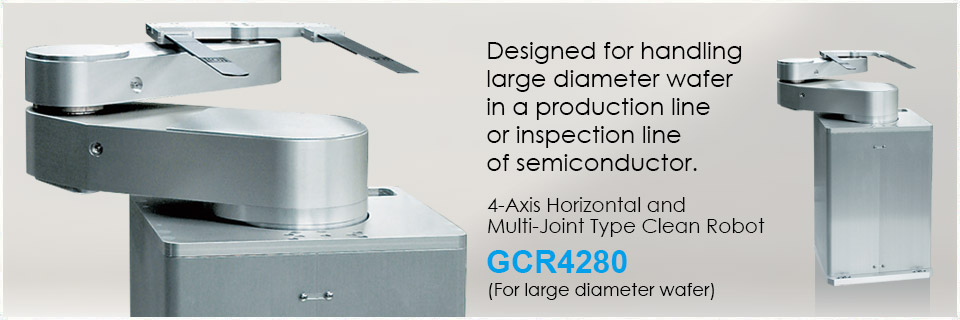
The wafer pick and place mechanism is a key part of vacuum operated semiconductor wafer robots. It handles thin, fragile wafers with great care. This system moves wafers from one process step to another without damage. The mechanism uses vacuum suction to hold wafers securely during transport. Accuracy and smooth operation are critical to avoid wafer loss or defects.
Each part of the mechanism works together to ensure fast, precise wafer handling. The process starts with picking the wafer up and ends with placing it carefully in the next station. Understanding this mechanism helps appreciate how semiconductor manufacturing stays efficient and safe.
Vacuum Suction Process
The vacuum suction process uses a vacuum to hold the wafer tightly. A vacuum pad touches the wafer surface gently. The air is removed, creating a strong hold. This prevents the wafer from slipping or falling. The vacuum strength is carefully controlled to avoid wafer damage. This step is quick but very important for safe handling.
Precision Positioning
After picking, the robot moves the wafer with exact control. Sensors guide the wafer’s position with high accuracy. The robot arm adjusts to align the wafer perfectly. This precision ensures wafers fit exactly into process tools. It avoids errors that can cause defects in semiconductor chips. Smooth, steady movements protect the wafer’s delicate surface.
Release Mechanism
The release mechanism carefully sets the wafer down. The vacuum is slowly released to avoid sudden drops. The wafer is placed gently onto the next station or holder. This controlled release prevents wafer damage and contamination. The robot checks the wafer is properly placed before moving away. This final step completes the safe wafer transfer process.
Safety And Contamination Prevention
Safety and contamination prevention are crucial in semiconductor wafer handling. Vacuum operated wafer robots must avoid damage to wafers and keep them clean. Any contamination can affect the wafer’s quality and lead to device failure. These robots are designed with strict safety and cleanliness standards. They work efficiently in sensitive environments to protect wafers from harm and dirt.
Cleanroom Compatibility
Vacuum operated robots are built for cleanroom use. Their materials do not shed particles or chemicals. The design avoids sharp edges and traps for dust. Robots are regularly cleaned and maintained to meet cleanroom rules. This helps maintain the cleanroom’s low particle levels. Cleanroom compatibility reduces the risk of wafer contamination during handling.
Particle Control Measures
Robots use vacuum suction to hold wafers firmly. This reduces wafer contact and lowers particle generation. Special filters clean the air around the robot’s arm. Smooth surfaces and sealed joints prevent particle buildup. Sensors monitor the environment to detect contamination quickly. These measures ensure wafers stay free from particles and safe throughout the process.

Credit: miajerk.co.uk
Automation And Integration
Automation and integration play a key role in the operation of vacuum operated semiconductor wafer robots. These systems work together to ensure wafers move smoothly and safely through complex manufacturing lines. Automation reduces human error and speeds up production. Integration connects the robot with other machines and software in the factory, creating a seamless workflow.
Robotic Arm Coordination
The robotic arm moves wafers with high precision. It uses vacuum suction to hold each wafer gently. Sensors on the arm detect the exact position of wafers. This helps avoid damage during transfer. Multiple joints in the arm work together for smooth, flexible motion. The arm coordinates speed and path to match the factory’s needs. This precision ensures wafers are placed correctly every time.
Software Control Systems
Software controls the robot’s actions and timing. It receives data from sensors and adjusts movements instantly. The software communicates with other factory systems to sync operations. It can schedule tasks and manage multiple robots at once. Real-time monitoring helps catch errors early. The control system improves efficiency and reduces downtime.
Common Challenges And Solutions
Vacuum operated semiconductor wafer robots face certain challenges during operation. These challenges can affect the robot’s efficiency and wafer safety. Understanding these common issues helps in keeping the system running smoothly. Solutions focus on maintaining vacuum integrity and gentle wafer handling.
Vacuum Leak Issues
Vacuum leaks reduce the robot’s grip strength on wafers. This leads to dropped or misaligned wafers. Leaks often happen due to worn seals or damaged hoses. Regular inspection of seals and hoses prevents leaks. Using high-quality materials for seals extends their life. Prompt replacement of damaged parts keeps vacuum pressure stable. Monitoring vacuum pressure during operation detects leaks early.
Handling Fragile Wafers
Wafers are thin and fragile, requiring careful handling. Rough movements cause cracks or chips on the wafer surface. Robots must use controlled speed and smooth motions. Soft vacuum pads help distribute pressure evenly across the wafer. Sensors detect wafer position and adjust grip force. Regular calibration ensures the robot handles wafers gently. Proper programming of movement paths avoids sudden jerks or drops.
Future Trends In Wafer Robotics
The future of vacuum operated semiconductor wafer robots looks bright and full of change. These robots play a key role in making chips for electronics. Their design and functions will keep improving to meet the needs of new technology and faster production.
New trends focus on better vacuum tools and smarter robots. These trends aim to make wafer handling safer, faster, and more precise. They will help keep up with the growing demand for smaller and more powerful chips.
Advanced Vacuum Technologies
Vacuum systems will become more powerful and efficient. New materials will improve suction and reduce air leaks. These upgrades help handle delicate wafers without damage.
Robots will use vacuum sensors to monitor grip strength in real time. This prevents dropping or slipping wafers during transfer. Energy-saving designs will also reduce power use in factories.
Ai And Machine Learning Integration
Artificial intelligence will guide robot movements for better accuracy. Machine learning lets robots learn from past tasks and improve over time.
Smart robots will detect problems early and fix them without stopping production. They will adapt to different wafer sizes and shapes automatically. This reduces errors and saves time on the factory floor.
Credit: www.jel-robot.com
Frequently Asked Questions
How Does A Vacuum-operated Wafer Robot Work?
A vacuum-operated wafer robot uses suction to pick and place semiconductor wafers. It creates a vacuum to hold wafers securely without damage. The robot precisely moves wafers between processing stations, ensuring safe and clean handling during semiconductor manufacturing.
What Are The Main Components Of A Wafer Robot?
Key components include vacuum pads, robotic arms, vacuum pumps, and control systems. Vacuum pads create suction to hold wafers. Robotic arms provide movement and positioning. Vacuum pumps generate the suction force. Control systems coordinate all actions for precise wafer handling.
Why Is Vacuum Operation Preferred In Wafer Robots?
Vacuum operation prevents wafer damage by avoiding mechanical gripping. It offers gentle handling for fragile wafers. This method minimizes contamination and improves precision. Vacuum robots are ideal for cleanroom environments in semiconductor fabrication.
How Does Vacuum Pressure Affect Wafer Handling?
Proper vacuum pressure ensures wafers are held firmly but not damaged. Too low pressure can cause wafer drops. Excessive pressure may deform wafers. Maintaining optimal vacuum pressure is critical for safe and efficient wafer transport.
Conclusion
Vacuum operated semiconductor wafer robots use suction to move wafers safely. They keep wafers clean and prevent damage during handling. The vacuum system creates strong grip without touching the wafer surface. This technology helps improve efficiency in semiconductor manufacturing plants.
Operators rely on these robots for precise and gentle wafer placement. Understanding their function shows how machines help make electronics better. This knowledge supports smarter choices in tech and engineering fields.
As an Amazon Associate, I earn from qualifying purchases.