Are you tired of spending your precious time pushing a heavy vacuum around your home? Imagine having a helper that quietly cleans your floors while you relax or focus on what matters most.
But is a robot vacuum really worth the investment? Before you decide, it’s important to understand what these gadgets can—and can’t—do for you. Keep reading to discover if a robot vacuum fits your lifestyle and if it’s the game-changer you’ve been waiting for.
Benefits Of Robot Vacuums
Robot vacuums offer many benefits that make cleaning easier and faster. They handle daily dirt and dust without much effort from you. These devices help keep your home tidy with little time spent on chores.
The benefits go beyond just cleaning. They add convenience, save time, and work well for many users. Smart features also make them a good fit for modern homes.
Time-saving Convenience
Robot vacuums clean floors automatically. Set them to work while you do other tasks. No need to push a heavy vacuum around. They keep your floors clean every day with less effort.
Consistent Cleaning Performance
These vacuums clean regularly and cover all areas. They follow programmed paths to avoid missing spots. Dirt and dust are removed before they build up. Your floors stay cleaner for longer.
Accessibility For All Users
Robot vacuums are easy to use for everyone. They help people with limited mobility clean their homes. No heavy lifting or bending is needed. Just press a button or schedule cleaning times.
Smart Home Integration
Many models connect to smart home devices. Control them with voice commands or apps. Schedule cleaning from anywhere using your phone. They fit well into modern smart home setups.

Credit: www.wired.com
Key Features To Consider
Choosing the right robot vacuum means knowing what features matter most. These features affect how well the vacuum cleans and fits your home. Understanding them helps you pick a model that works best for you. Below are key features to watch for.
Navigation And Mapping Technology
Good navigation helps the robot move smoothly and avoid obstacles. Mapping technology lets the vacuum learn your home’s layout. This means it cleans in a smart, organized way. Some models create maps you can see on your phone. This helps you set cleaning zones and no-go areas.
Suction Power And Cleaning Modes
Suction power affects how well the vacuum picks up dust and dirt. Higher suction means better cleaning, especially on carpets. Different cleaning modes let you choose how the vacuum works. For example, quiet mode for light cleaning or turbo mode for deep cleaning. These options give more control over cleaning performance.
Battery Life And Charging
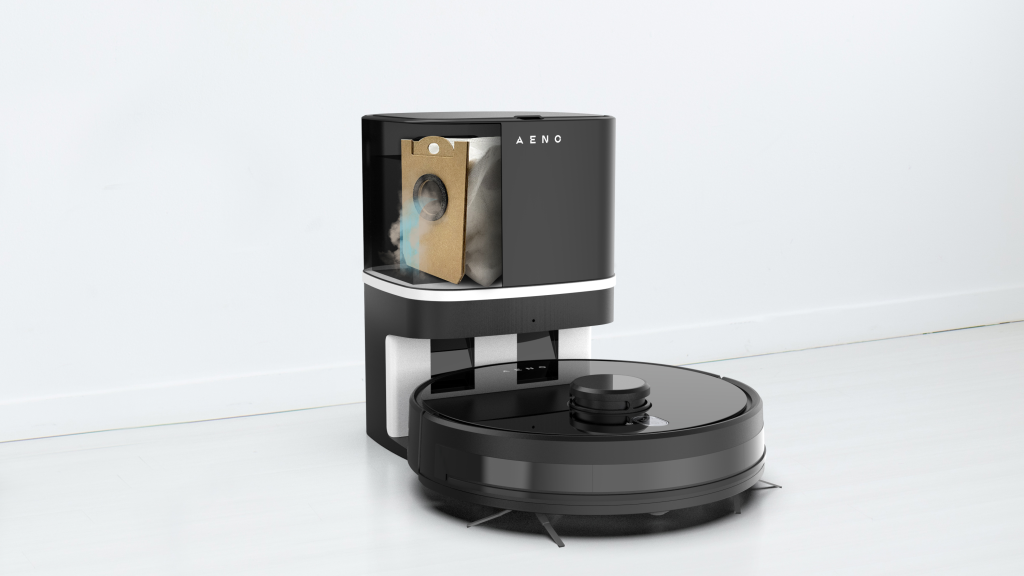
Long battery life means the vacuum cleans larger areas without stopping. Some vacuums return to their dock to recharge automatically. After charging, they continue cleaning where they left off. This feature is useful for big homes or heavy messes. Check the charging time too; shorter is better.
Dustbin Capacity And Maintenance
A bigger dustbin holds more dirt, so you empty it less often. Smaller bins need frequent emptying, which can be annoying. Maintenance also means cleaning brushes and filters regularly. Easy-to-remove parts make maintenance simple. Keeping the vacuum clean helps it work well for a long time.
Types Of Robot Vacuums
Robot vacuums come in different types to fit various cleaning needs. Each type offers unique features and levels of automation. Choosing the right one depends on your home and budget.
Basic Models
Basic models focus on simple vacuuming tasks. They clean floors by moving in random patterns. These robots work best on hard floors and low-pile carpets. They have limited sensors and no smart home integration. Basic models are usually affordable and easy to use.
Advanced Smart Vacuums
Advanced smart vacuums offer better navigation and cleaning power. They create maps of your home for efficient routes. These models avoid obstacles and stairs with sensors. Many connect to apps for remote control and scheduling. Some also support voice commands through smart assistants.
Robot Vacuums With Mopping Functions
Robots with mopping features clean floors by vacuuming and wet mopping. They have a water tank and mop pad attachment. These models work well on hard floors but avoid carpets while mopping. They provide a deeper clean by removing stains and dust. This type suits homes needing both vacuuming and mopping.
Cost Vs. Value
Deciding if a robot vacuum is worth buying depends a lot on cost versus value. The initial price might seem high. But the time and effort saved can add real value. Think about what you get for the price and how long it lasts. This helps you see if the investment fits your needs and budget.
Price Ranges And What They Offer
Robot vacuums vary in price. Low-end models cost around $150 to $250. They clean basic floors and handle light dirt. Mid-range options, between $250 and $500, offer better navigation and stronger suction. High-end models over $500 include smart mapping and longer battery life. They handle pet hair and multiple floor types well.
Long-term Savings
Robot vacuums save time and energy. You spend less on manual cleaning tools. They reduce wear on carpets and floors by cleaning regularly. This may lower costs for repairs and replacements. Energy use is low, so electricity bills stay small. Over time, these savings add up and can balance the upfront cost.
Warranty And Customer Support
Check the warranty before buying. Many brands offer one to two years of coverage. This protects against defects and malfunctions. Good customer support helps with repairs and questions. Brands with strong service improve the overall value. It ensures your robot vacuum stays reliable longer.
Common Limitations
Robot vacuums offer convenience but come with some common limits. Understanding these helps set the right expectations. Knowing what they struggle with can guide your choice and use. Below are key areas where robot vacuums may not perform perfectly.
Handling Complex Floor Plans
Robot vacuums can get confused by complicated layouts. Tight corners, many rooms, and uneven surfaces pose challenges. Some models map rooms poorly and miss spots. Large or multi-level homes can be tricky to clean thoroughly. They work best in simple, open spaces.
Dealing With Obstacles
Objects like cables, rugs, and small furniture can block robots. They may get stuck or tangled, needing human help. Some robots avoid obstacles better but not all. Pets and toys on the floor also cause issues. Clearing floors before cleaning improves results.
Noise Levels
Robot vacuums make noise during operation. The sound varies by brand and model. Some are quiet enough for daytime use. Others may disturb conversations or sleep. Noise can be a problem in small or quiet homes.
Maintenance Requirements
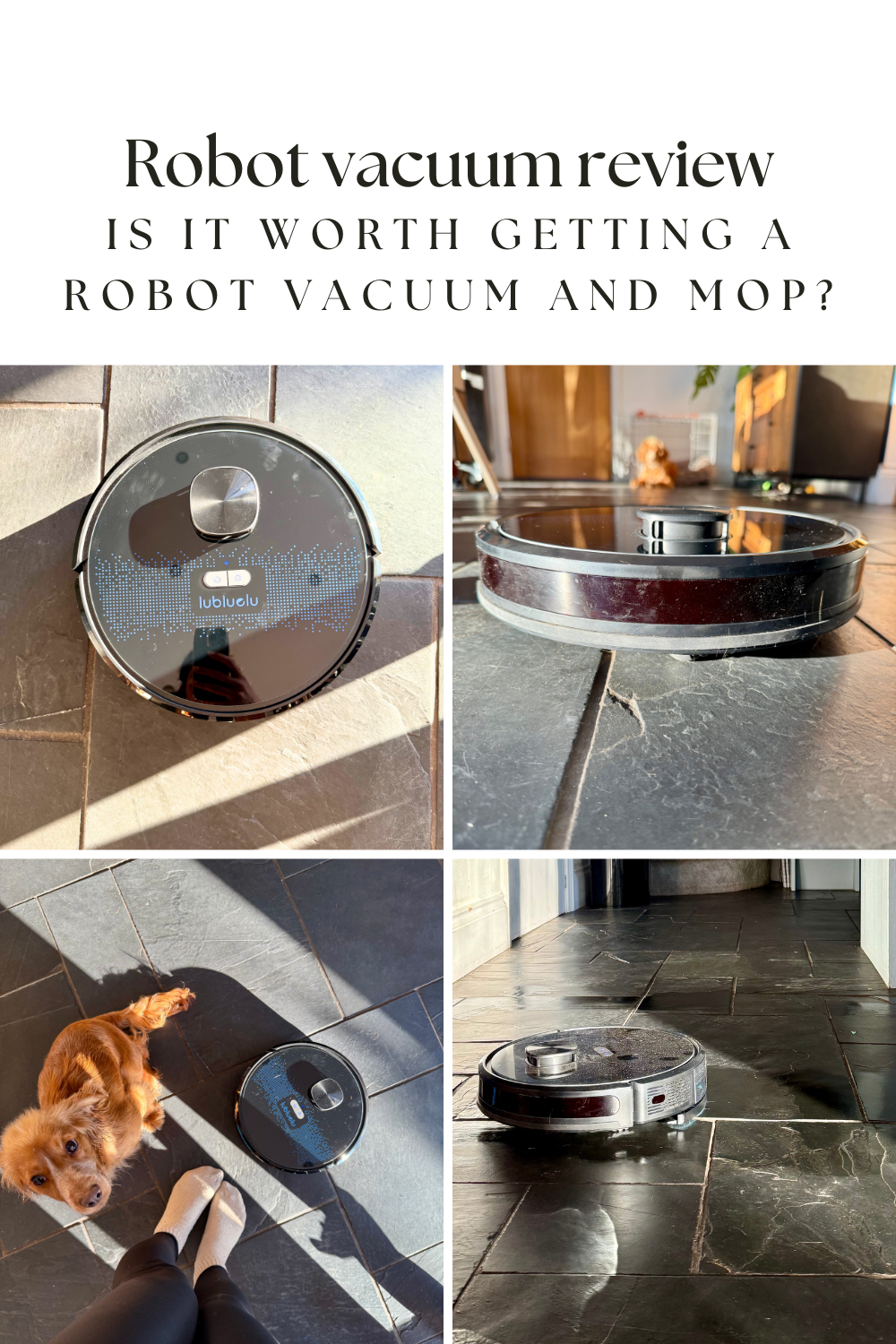
Robot vacuums need regular cleaning and care. Brushes, filters, and dustbins fill up fast. Users must empty dustbins often for good suction. Brushes can tangle with hair and need cleaning. Battery life also declines over time, requiring replacement.
Credit: thetravelhack.com
Choosing The Right Model
Choosing the right robot vacuum means finding one that fits your home and needs. Many models exist, each with different features. Picking the perfect one can save time and keep your floors clean with less effort.
Assessing Home Size And Floor Types
Consider how big your home is. Large homes need vacuums with longer battery life. Small spaces do well with compact models. Think about your floor types too. Hard floors like wood or tile need different brushes than carpets. Some vacuums handle multiple surfaces better than others.
Evaluating Cleaning Needs
Decide how often you want to clean. Some vacuums have strong suction for deep cleaning. Others work fine for light dust and pet hair. Look at dustbin size. Bigger bins hold more dirt and need less emptying. Check if the vacuum can reach corners and under furniture well.
Compatibility With Smart Devices
Many robot vacuums connect to apps or smart home systems. This lets you start cleaning with your phone or voice. Make sure the vacuum works with devices you have. Some models link to Alexa or Google Assistant. Others need their own app. Choose what fits your lifestyle best.
Real User Experiences
Many people share their real experiences with robot vacuums. These stories help others decide if a robot vacuum is worth buying. Users talk about what worked well and what problems they faced. They also share tips that make using robot vacuums easier. Reading these experiences gives a clear picture of daily use.
Success Stories
Some users find robot vacuums very helpful. They say the device cleans under furniture well. It saves time and effort for busy people. Pet owners often mention how the vacuum picks up pet hair. Many enjoy coming home to a clean floor every day. They like that the vacuum works quietly and on a schedule.
Challenges Faced
Not all experiences are perfect. Some users report the vacuum getting stuck on rugs or cords. It may miss corners or edges during cleaning. Small objects on the floor can block the machine. Battery life sometimes limits cleaning time. Some find the app or controls hard to use at first. These challenges can affect satisfaction.
Tips From Owners
Owners suggest removing clutter before starting the vacuum. They recommend regular emptying of the dustbin for better performance. Using boundary markers helps keep the vacuum in certain areas. Cleaning the brushes and sensors often improves results. Scheduling the vacuum at times when no one is home works well. These tips help users get the best from their robot vacuums.
Credit: aeno.com
Frequently Asked Questions
What Are The Main Benefits Of A Robot Vacuum?
Robot vacuums save time by cleaning automatically. They reach under furniture easily. They offer scheduled cleaning and can improve home hygiene with regular use.
How Effective Are Robot Vacuums On Different Floor Types?
Robot vacuums work well on hardwood, tile, and low-pile carpets. Some models adjust suction power for various floors. They may struggle with thick carpets or rugs.
Do Robot Vacuums Require Much Maintenance?
Maintenance is minimal. Regularly empty the dustbin and clean filters. Check brushes for hair or debris. This keeps the vacuum running efficiently.
Can Robot Vacuums Replace Traditional Vacuum Cleaners?
Robot vacuums are great for daily upkeep but may miss deep cleaning. Traditional vacuums are better for heavy-duty tasks. Using both can optimize home cleaning.
Conclusion
A robot vacuum can save time and effort in cleaning. It works well for daily dust and small debris. Some models handle pet hair and tight spaces better. Battery life and navigation matter for big homes. Costs vary, so choose one that fits your budget.
Not perfect, but helpful for regular upkeep. Consider your needs before deciding to buy. A robot vacuum might be a smart addition to your home.
As an Amazon Associate, I earn from qualifying purchases.