Have you ever wondered if robot vacuum cleaners actually do the job they promise? You might be curious if they can really keep your floors spotless without you lifting a finger.
Imagine coming home to a clean house every day without the hassle of pushing a heavy vacuum around. But do these little machines live up to the hype, or are they just a fancy gadget? Keep reading to find out how robot vacuum cleaners work and whether they are worth adding to your cleaning routine.
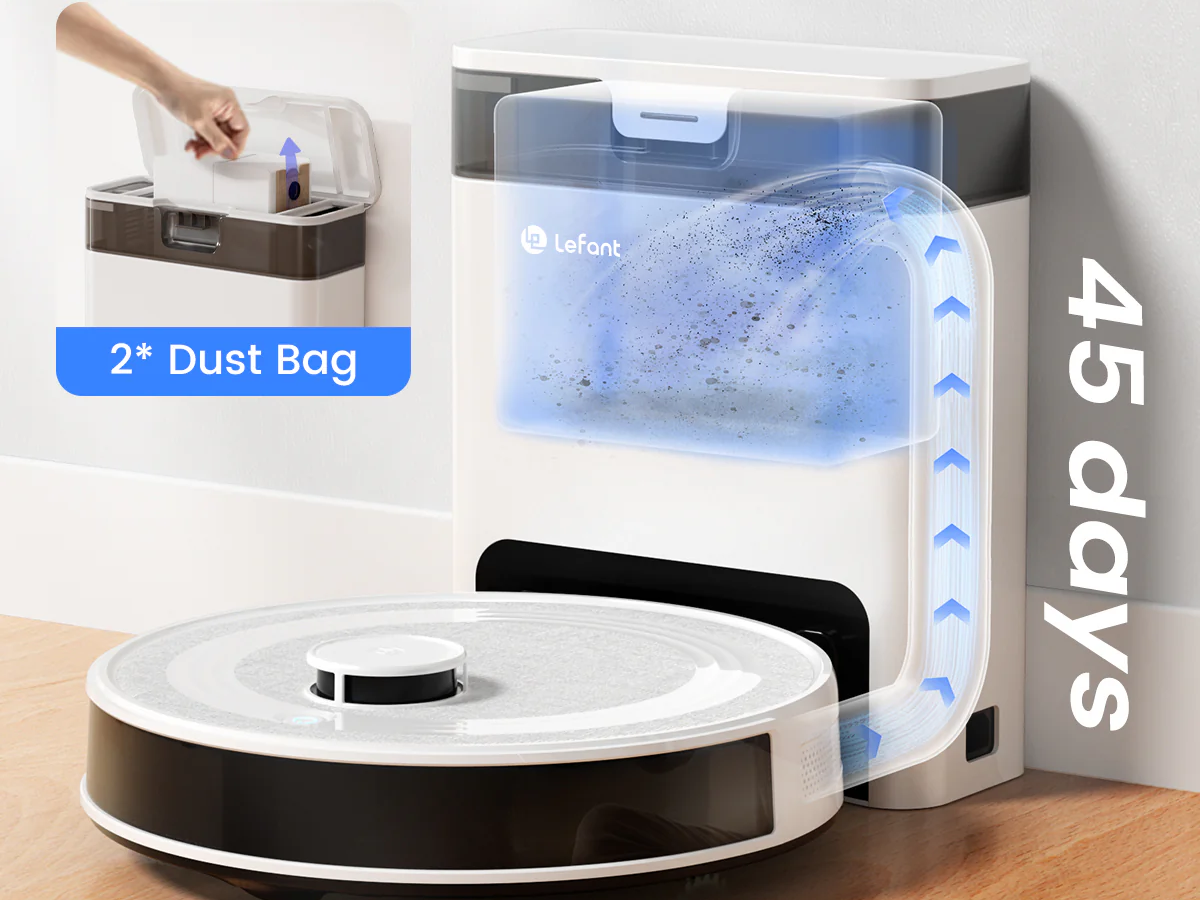
Credit: www.lefant.com
How Robot Vacuums Clean
Robot vacuum cleaners have become popular for keeping floors clean with little effort. They work by moving around your home automatically. Each model uses smart technology to clean different surfaces effectively.
Understanding how these devices clean helps you see their value. The process involves navigation, cleaning tools, and sensors. These parts work together to make the vacuum efficient and thorough.
Navigation Systems
Robot vacuums use navigation systems to move around your home. Some models follow a set pattern to cover every corner. Others use random movement but still clean most areas over time.
Advanced models use laser or camera-based systems. These help the vacuum map your home. They avoid obstacles and return to their charging station when needed.
Cleaning Mechanisms
Robot vacuums have brushes and suction to pick up dirt. Side brushes sweep debris from edges and corners. A main brush rolls to lift dust and hair from floors.
The suction pulls dirt into a dustbin inside the vacuum. Some models adjust suction power based on the floor type. This helps clean carpets and hard floors efficiently.
Sensors And Mapping
Sensors help the vacuum detect obstacles and drops. They prevent the vacuum from bumping into furniture or falling down stairs. Mapping technology creates a layout of your home.
This layout guides the robot to cover all areas without missing spots. It also helps the vacuum remember where it has cleaned. Sensors and mapping work together for safe, smart cleaning.

Credit: www.ecovacs.com
Types Of Robot Vacuums
Robot vacuum cleaners come in different types. Each type serves different cleaning needs and budgets. Understanding these types helps choose the right one for your home. The main categories are Basic Models, Advanced Smart Models, and Hybrid Vacuum-Mop Devices.
Basic Models
Basic models focus on simple vacuuming tasks. They follow random cleaning paths around the room. Sensors prevent them from falling down stairs or bumping into objects. These models are usually affordable and easy to use. They work well on hard floors and low-pile carpets. Battery life is enough for small to medium rooms. They lack advanced mapping or app control features.
Advanced Smart Models
Advanced smart models offer better cleaning with smart technology. They map your home to clean in a systematic way. You can control them with a smartphone app or voice commands. These vacuums adjust suction power based on floor type. They avoid obstacles smoothly and return to their dock to recharge. Some models remember multiple floor plans for multi-story homes. They provide scheduled cleaning and zone control for specific areas.
Hybrid Vacuum-mop Devices
Hybrid vacuum-mop devices combine vacuuming and mopping in one machine. They vacuum first, then mop hard floors to remove stains. Water tanks control the mop’s wetness to protect floors. These devices are ideal for homes with pets or children. They save time by cleaning dust and spills in one go. Hybrid models often include smart navigation and app control too.
Benefits Of Robot Vacuums
Robot vacuum cleaners offer many benefits that make cleaning easier. They handle daily dirt and dust without much effort from you. These devices help keep your floors clean and save your energy for other tasks.
Understanding the key benefits of robot vacuums can help you decide if they suit your home and lifestyle.
Time-saving Features
Robot vacuums clean your floors automatically. You can set a schedule, and they start cleaning on their own. This saves you time and lets you focus on other activities. No need to push a heavy vacuum around your home.
Consistent Cleaning
These devices clean regularly and follow a set path. This means they cover all areas and do not miss spots. Floors stay cleaner for longer without much effort. Consistent cleaning helps reduce dust and allergens in your home.
Accessibility For Different Users
Robot vacuums are easy to use for many people. Elderly or disabled individuals can operate them without trouble. They require little physical effort and simple controls. This makes cleaning accessible to a wider range of users.

Credit: blog.switch-bot.com
Common Limitations
Robot vacuum cleaners offer convenience but have some limits you should know. Understanding these common issues helps set the right expectations. They can clean well but might struggle in certain areas.
Battery Life And Charging
Robot vacuums run on batteries that last about 60 to 120 minutes. This time can be shorter on bigger or dirtier floors. Some models return to their base to recharge and then continue cleaning. Long charging times can delay cleaning cycles. For large homes, battery life may not cover the entire area in one go.
Handling Obstacles And Clutter
Robot vacuums find it hard to move around many objects. Cords, toys, and small rugs can block their path. They may get stuck or miss spots in cluttered rooms. Some models detect obstacles and avoid them, but navigation is not perfect. Regular tidying before cleaning improves their efficiency.
Suction Power Compared To Traditional Vacuums
Robot vacuums usually have less suction than regular vacuums. This means they might not clean deep dirt or thick carpets well. They work best on hard floors and low-pile rugs. Traditional vacuums still outperform robots in heavy-duty cleaning. Using a robot vacuum for daily light cleaning helps maintain floor cleanliness.
Choosing The Right Robot Vacuum
Choosing the right robot vacuum is important for a clean home. Different models suit different needs. Think about your space, floors, and budget. The right vacuum saves time and cleans well. Here is how to pick one that fits your home perfectly.
Home Size And Floor Types
Large homes need robots with strong batteries. Small homes can use simpler models. Hard floors like wood or tile need different brushes than carpets. Some vacuums switch modes automatically. Know your floor types to choose the best vacuum for them.
Smart Features To Consider
Look for features like app control and scheduling. Some vacuums map your rooms for efficient cleaning. Sensors help avoid stairs and obstacles. Voice control is helpful for hands-free use. Choose features that make cleaning easier for you.
Budget And Brand Options
Robot vacuums come in many price ranges. Cheaper models work well for small spaces. Higher-priced vacuums offer better cleaning and features. Trusted brands often provide good support and durability. Balance cost with what you need from the vacuum.
Maintenance Tips
Robot vacuum cleaners need regular care to work well. Proper maintenance keeps them running smoothly and extends their life. Small tasks can prevent big problems. This section covers key tips to maintain your robot vacuum.
Cleaning Brushes And Filters
Brushes collect hair and dust. Clean them often to keep them spinning freely. Remove tangled hair and dirt carefully. Filters trap tiny dust particles. Check filters weekly and clean or replace them as needed. Clean parts help your vacuum pick up dirt better.
Software Updates
Robot vacuums use software to navigate and clean. Update the software regularly to fix bugs and add features. Check the app or device manual for instructions. Updated software improves performance and battery life. It also helps your vacuum avoid obstacles better.
Troubleshooting Common Issues
Sometimes, robot vacuums stop working or get stuck. Check for simple problems like full dustbins or blocked brushes. Restart the vacuum if it freezes. Make sure sensors are clean and free from dirt. Follow the manual for error codes and fixes. Regular checks reduce downtime and keep cleaning on track.
Future Of Robot Vacuum Cleaners
The future of robot vacuum cleaners looks very promising. These devices are becoming smarter and more efficient every day. Technology is pushing them to clean better and adapt to our homes.
New developments focus on making robot vacuums easier to use. They will learn from their environment and work with other smart devices. This will make home cleaning less of a chore and more automatic.
Ai And Machine Learning Enhancements
Robot vacuums will use AI to understand their surroundings better. They will learn the layout of your home and avoid obstacles easily. Machine learning helps them improve cleaning paths over time. This means fewer missed spots and faster cleaning. They can also detect dirtier areas and spend more time there.
Integration With Smart Home Systems
Future robot vacuums will connect with smart home devices. You can control them using voice commands or apps. They may work with smart speakers, lights, and security systems. This integration allows automated cleaning schedules based on your daily routine. Your vacuum can start cleaning when you leave the house.
Emerging Technologies In Cleaning
New cleaning methods are being tested for robot vacuums. Some models will use stronger suction and better brushes. Others may include UV light to kill germs and bacteria. Sensors will improve to detect different floor types and adjust settings. These technologies will make cleaning more thorough and hygienic.
Frequently Asked Questions
Do Robot Vacuum Cleaners Effectively Clean Floors?
Yes, robot vacuum cleaners efficiently clean floors by using sensors and brushes. They remove dust, dirt, and pet hair from various surfaces like hardwood, tile, and low-pile carpet. Regular use keeps floors consistently clean with minimal effort.
Can Robot Vacuums Handle Pet Hair Well?
Robot vacuums are designed to handle pet hair effectively. Many models feature strong suction and specialized brushes to pick up fur. They help reduce allergens and keep homes with pets cleaner between deep cleanings.
How Long Do Robot Vacuum Batteries Last?
Battery life varies by model but typically lasts 60 to 120 minutes per charge. Higher-end models may run longer and automatically return to their dock to recharge before resuming cleaning.
Are Robot Vacuum Cleaners Smart And Easy To Control?
Most robot vacuums offer smart features like app control, scheduling, and voice commands. These options make them convenient and customizable for various cleaning needs, improving user experience.
Conclusion
Robot vacuum cleaners can help keep floors clean with little effort. They work best on flat surfaces and light dirt. Some models handle pet hair and small debris well. They save time but may miss tight corners or stairs. Regular cleaning still needs a human touch.
Choosing the right model depends on your home and needs. Overall, robot vacuums offer useful support for daily cleaning tasks. Worth considering if you want easier floor care.
As an Amazon Associate, I earn from qualifying purchases.