Have you ever wondered what makes your vacuum cleaner pick up dust and dirt so easily? Understanding how vacuum cleaners work can change the way you clean your home.
When you know the simple science behind it, you’ll appreciate your vacuum more and maybe even use it smarter. You’ll discover the hidden power inside your vacuum and learn why it’s one of your best tools for keeping your space spotless.
Ready to unlock the secrets behind your vacuum cleaner? Let’s dive in.
Basics Of Vacuum Cleaners
Vacuum cleaners are common household tools that help keep floors clean. They remove dirt, dust, and small debris from carpets and hard floors. Understanding the basics shows how these machines work to make cleaning easier.
The key is creating suction. This pulls dirt into the vacuum’s collection area. Different parts work together to create this suction and trap dust safely inside.
Core Components
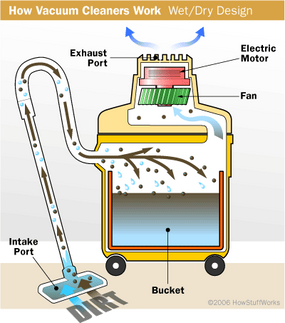
A vacuum cleaner has several main parts. The motor powers the vacuum and creates suction. The fan spins fast to pull air and dirt through the machine.
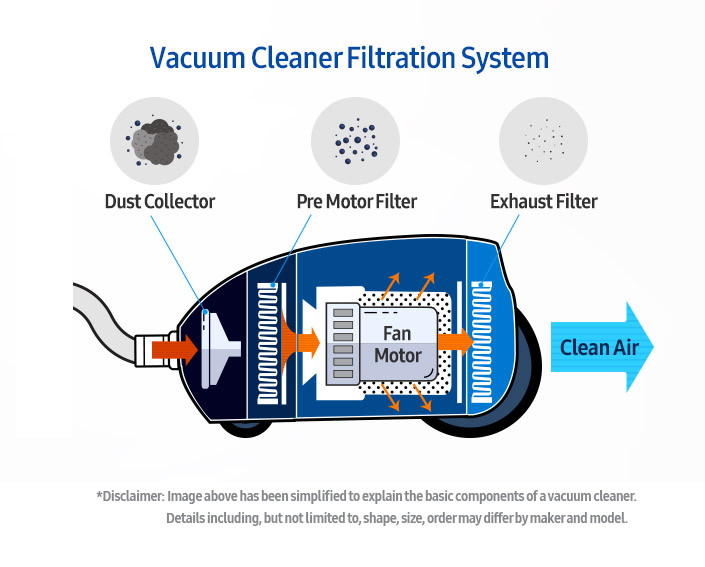
The suction nozzle or head contacts the floor. It directs dirt into the vacuum. Filters trap dust and small particles, stopping them from escaping back into the air.
The dustbin or bag collects the dirt. You empty or replace it when full. A hose and wand help reach tight spaces and high areas.
Types Of Vacuum Cleaners
Vacuum cleaners come in many styles. Upright vacuums stand tall and cover large floor areas quickly. They often have strong suction and wide cleaning heads.
Canister vacuums have a separate motor and dust container. A long hose connects the parts, making them flexible and easy to use on stairs and furniture.
Handheld vacuums are small and portable. They work well for quick cleanups and small messes. Robotic vacuums move on their own, cleaning floors automatically.
Each type suits different needs and home layouts. Choosing the right vacuum depends on your cleaning tasks and preferences.
Creating Suction Power
Creating suction power is the heart of how vacuum cleaners work. This power pulls dirt and dust into the machine. Without strong suction, a vacuum cannot clean well. Suction comes from a clever system inside the vacuum. It uses air movement and pressure changes to pick up debris.
Role Of The Motor
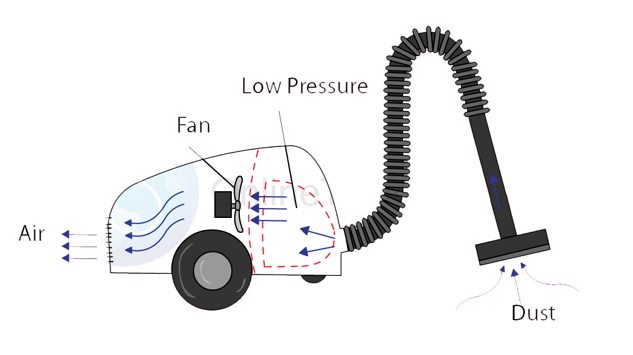
The motor is the vacuum’s engine. It spins a fan at high speed. This fan pushes air out of the vacuum. As air leaves, it creates a low-pressure area inside. This low pressure pulls air from the vacuum’s nozzle. Dirt and dust follow this airflow into the vacuum.
Stronger motors create faster fan speeds. Faster fans increase suction power. Motors also use electricity to run. The better the motor, the more powerful the vacuum.
Airflow And Pressure
Airflow means the movement of air through the vacuum. The fan moves air from the nozzle to the exhaust. This moving air carries dirt inside the vacuum. The vacuum keeps air moving by sealing the path tightly. Any leaks reduce suction power.
Pressure works with airflow. The fan lowers pressure inside the vacuum. Outside air rushes in to fill this low pressure. This rushing air creates suction. The better the pressure difference, the stronger the suction.
Dirt And Debris Collection
Vacuum cleaners work by collecting dirt and debris from floors and surfaces. This process is crucial to keep homes clean and healthy. The vacuum sucks air, carrying dirt inside. How it traps dirt depends on the vacuum’s design. Two main methods are filters and bags, and cyclonic separation.
Filters And Bags
Many vacuum cleaners use bags or filters to catch dirt. The suction pulls dirt into a bag. This bag holds dust and debris securely. It stops dirt from escaping back into the air.
Some vacuums have filters instead of bags. These filters trap tiny dust particles. HEPA filters are common. They catch very small allergens and dust. This helps improve air quality in the home.
Cyclonic Separation
Cyclonic separation uses a different method to collect dirt. The vacuum spins air fast inside a cylinder. This spinning throws dirt and dust to the sides. Dirt falls into a bin or container.
This method keeps filters cleaner longer. It also maintains strong suction power. Many modern vacuums use cyclonic technology for better cleaning.
Credit: ivypanda.com
Brushes And Nozzles
Brushes and nozzles play a key role in how vacuum cleaners clean floors and surfaces. They help lift dirt and dust from carpets, rugs, and hard floors. These parts work by making contact with the surface to loosen debris. Then, the vacuum pulls the dirt inside the machine.
Agitating Dirt
Brushes spin or move back and forth to shake dirt free. This action helps break up dust and crumbs stuck deep in carpet fibers. The movement allows the vacuum to suck up more particles. Some brushes have stiff bristles for tough dirt. Others use softer bristles for delicate surfaces. This agitation improves cleaning power and efficiency.
Specialized Attachments
Nozzles come in many shapes and sizes. Each is designed for a specific cleaning task. Narrow nozzles reach tight spaces and corners. Wide nozzles cover large floor areas quickly. Some attachments have soft pads to protect surfaces. Others have rubber edges to grab pet hair better. These tools make vacuums flexible and useful in many spots around your home.
Maintenance Tips
Regular maintenance keeps your vacuum cleaner working well. It helps avoid breakdowns and keeps suction strong. Simple care steps make your vacuum last longer and clean better.
Cleaning Filters
Filters trap dust and dirt inside the vacuum. Dirty filters reduce suction power. Remove filters and tap them gently to clear dust. Wash filters with water if the manual allows. Let filters dry completely before placing them back. Clean filters every month or more often for heavy use.
Troubleshooting Common Issues
Vacuum not picking up dirt? Check for blockages in the hose or brush. Clear any clogs to restore airflow. If the vacuum stops working, check the power cord and switch. Replace bags or empty dust bins regularly to avoid loss of suction. Listen for strange noises; they may signal a problem with the motor or brush roll.
Credit: home.howstuffworks.com
Advancements In Vacuum Technology
Vacuum cleaner technology has improved a lot in recent years. These changes make cleaning easier and faster. New features also help save energy and work smarter. These advances bring better performance and convenience to users.
Smart Features
Smart vacuum cleaners use sensors to detect dirt and obstacles. They can clean without human help. Some models connect to apps for remote control. Scheduling cleaning times is simple through a smartphone. Mapping technology helps the vacuum cover every area efficiently.
Voice control works with assistants like Alexa and Google. This makes operation hands-free and easy. Smart vacuums adjust suction power based on floor type. Carpets get more power, while hard floors use less. This saves battery and improves cleaning quality.
Energy Efficiency
Modern vacuum cleaners use less electricity than older models. Efficient motors consume less power but keep strong suction. Many vacuums have energy-saving modes for light cleaning. These modes extend battery life in cordless models.
Improved filters reduce air pollution during cleaning. HEPA filters capture tiny dust particles and allergens. This helps keep indoor air clean and healthy. Energy-efficient vacuums also produce less noise. Quiet operation makes cleaning less disturbing at home.
Credit: news.samsung.com
Frequently Asked Questions
How Does A Vacuum Cleaner Create Suction?
A vacuum cleaner creates suction by using a motor to spin a fan. This fan reduces air pressure inside, pulling air and dirt into the machine through the nozzle.
What Role Does The Filter Play In Vacuum Cleaners?
The filter traps dust, dirt, and allergens from the sucked air. It prevents particles from escaping back into the room, ensuring cleaner air quality.
Why Is Airflow Important In Vacuum Cleaners?
Airflow moves dirt from the surface into the vacuum. Strong airflow improves cleaning efficiency by carrying more debris into the dust container or bag.
How Do Bagless Vacuum Cleaners Work?
Bagless vacuums use cyclonic action or filters to separate dirt from air. Dust collects in a transparent container that users empty after cleaning.
Conclusion
Vacuum cleaners use suction to pull dirt and dust from floors. A motor creates this suction by spinning a fan inside. Air carries debris into a bag or bin for easy disposal. Filters trap tiny particles, keeping the air clean.
Knowing how they work helps you choose the right one. It also shows why regular maintenance matters. Clean filters and empty bins improve performance. Simple machines with smart designs keep homes tidy and fresh. Understanding these basics makes using vacuums easier and more effective.
As an Amazon Associate, I earn from qualifying purchases.