Have you ever wondered if a robot vacuum cleaner can truly keep your home clean without you lifting a finger? You might be asking yourself, “Do robot vacuum cleaners work well enough to trust with my floors?” This question is important because investing in one means expecting real results, not just a fancy gadget.
You’ll discover how these smart devices perform, what they can handle, and whether they’re the right fit for your cleaning needs. Keep reading to find out if a robot vacuum can really make your life easier and your home spotless.

Credit: www.ecovacs.com
How Robot Vacuums Work
Robot vacuum cleaners are smart devices designed to clean floors automatically. They use a mix of sensors and technology to find dirt and avoid obstacles. Understanding how they work helps you see their benefits and limits.
Basic Technology
Robot vacuums have motors that power the suction and brushes. A rechargeable battery gives them energy to work without cords. Sensors detect dirt, walls, and stairs to keep the robot safe and effective.
Navigation Systems
These vacuums use different methods to move around. Some follow random paths, while others map the room to clean systematically. Sensors help them avoid furniture and drop-offs. This keeps cleaning efficient and prevents damage.
Cleaning Mechanisms
Robot vacuums use spinning brushes to sweep dirt towards the suction area. A vacuum motor pulls dust and debris into a dustbin. Filters trap tiny particles to keep the air clean. Some models also mop floors for extra cleaning.
Types Of Robot Vacuums
Robot vacuum cleaners come in various types to suit different cleaning needs. Each type offers unique features and benefits. Choosing the right one depends on your home size, floor type, and budget.
Standard Models
Standard robot vacuums clean floors using basic sensors. They move randomly or follow simple patterns. These models work well on hard floors and low-pile carpets. They usually lack advanced mapping or smart controls. Standard models are affordable and easy to use.
Advanced Features
Advanced robot vacuums include smart mapping and app controls. They learn your home layout for efficient cleaning paths. Some models have stronger suction for deep carpet cleaning. They can avoid obstacles and stairs with better sensors. These robots offer scheduling and voice assistant support.
Specialized Versions
Specialized robots focus on specific tasks or surfaces. Some are designed for pet hair removal with extra brushes. Others work well on thick carpets or tile grout. There are even wet mopping robots for hard floors. These versions target particular cleaning challenges effectively.
Performance Factors
Robot vacuum cleaners vary in how well they clean. Their performance depends on several key factors. These factors help you decide which model fits your needs. Understanding them makes choosing easier and ensures better cleaning results.
Suction Power
Suction power is crucial for removing dirt and debris. Strong suction picks up dust, pet hair, and small particles. Some models adjust suction based on floor type. Higher suction means deeper cleaning but may use more battery.
Battery Life
Battery life affects how long the vacuum cleans before recharging. Longer battery life covers larger areas in one session. Some vacuums return to the dock to recharge automatically. Short battery life may need more frequent charging breaks.
Surface Compatibility
Different floors need different cleaning approaches. Robot vacuums should work on hardwood, carpet, tile, and rugs. Some models detect surface type and adjust cleaning mode. Good surface compatibility means more thorough cleaning everywhere.
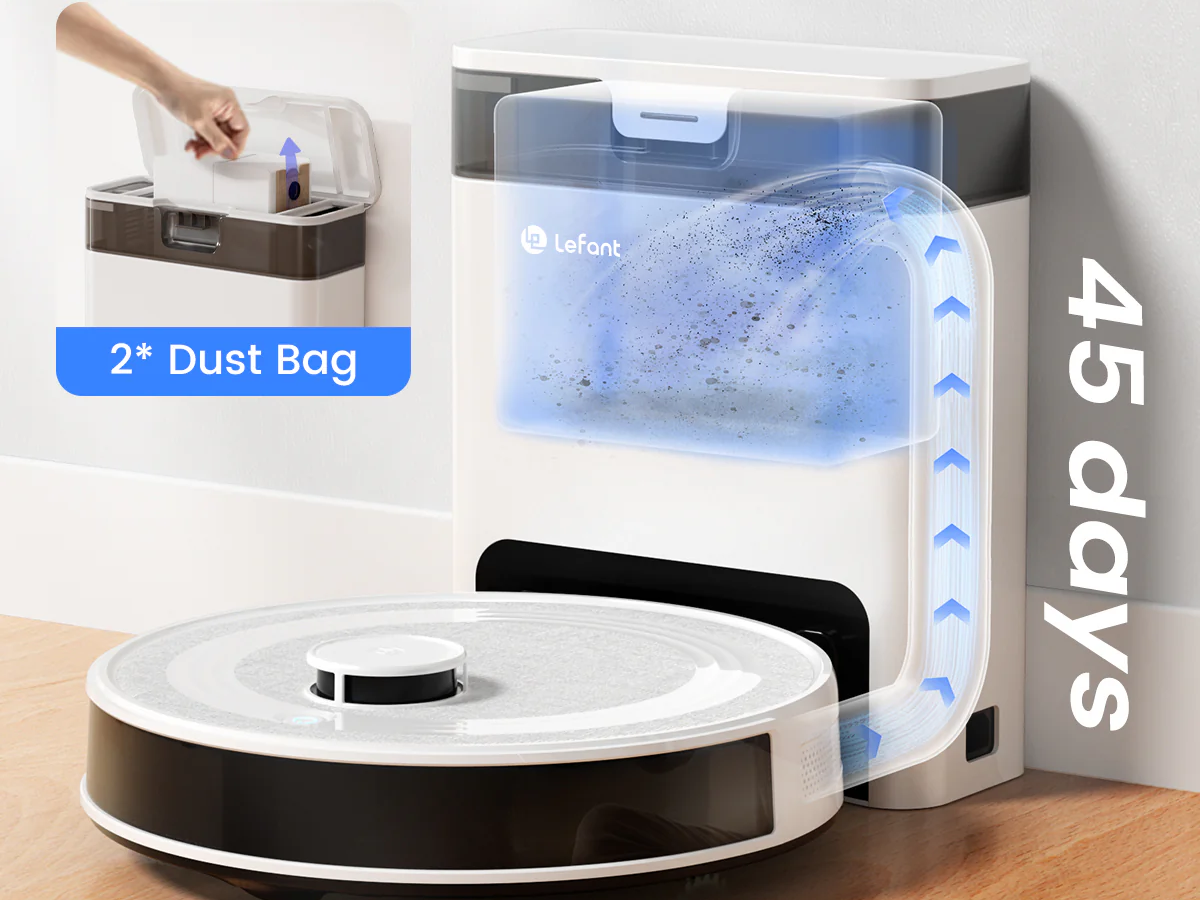
Credit: www.lefant.com
Benefits Of Robot Vacuums
Robot vacuum cleaners offer many benefits that make cleaning easier and faster. They handle daily dirt and dust without much effort. These devices save time and keep homes consistently clean. Their simple operation suits all users, including those who dislike chores.
Time Savings
Robot vacuums clean floors automatically. No need to spend hours pushing a vacuum around. They work while you relax or do other tasks. This frees up time for hobbies or family. The vacuum’s schedule feature keeps your home tidy regularly.
Consistent Cleaning
Robot vacuums clean every day or as often as set. This prevents dust and dirt from building up. They reach under furniture where dirt hides. Their sensors help avoid obstacles and cover all areas. Homes stay fresher and cleaner with less effort.
Ease Of Use
Operating robot vacuums is simple. Most models start with a single button press. Some can be controlled by apps or voice commands. No heavy lifting or manual pushing needed. They return to their charging dock automatically after cleaning.
Limitations To Consider
Robot vacuum cleaners offer many benefits but also have some limits. Knowing these limits helps you decide if a robot vacuum fits your needs. Consider how they move, what upkeep they need, and if their cost matches their value.
Navigation Challenges
Robot vacuums can struggle with complex rooms. They may get stuck on cords, rugs, or tight corners. Some models have trouble moving between different floor types. They might miss spots under furniture or along edges. Navigation technology varies, so some vacuums perform better than others.
Maintenance Needs
Robot vacuums need regular cleaning to work well. Dustbins and filters fill quickly and require emptying. Brushes can get tangled with hair or debris. Sensors need wiping to avoid errors. Skipping maintenance lowers cleaning performance and battery life.
Cost Vs. Value
Robot vacuums cost more than traditional vacuums. High-tech models have advanced features but higher prices. Cheaper models may lack strong suction or good navigation. Consider how much time and effort they save. Weigh the price against convenience and cleaning quality.

Credit: blog.switch-bot.com
Comparing Robot Vacuums To Traditional Vacuums
Robot vacuum cleaners have grown popular for home cleaning. Comparing them to traditional vacuums helps to understand their strengths and limits. Both types clean floors but in different ways and offer unique benefits. This section explores key differences in cleaning efficiency, convenience, and price points.
Cleaning Efficiency
Traditional vacuums use strong suction and manual control. They handle thick carpets and corners well. Robot vacuums use sensors and brushes to navigate rooms. They clean regularly but may miss tight spots. Traditional models often clean deeper, especially on rugs. Robots excel at light daily cleaning on hard floors.
Convenience
Robots clean automatically with little effort from users. They can run on a schedule, even when no one is home. Traditional vacuums need manual pushing and adjusting. Robot vacuums return to charge themselves. Traditional vacuums require storage space and carry effort. Robots save time but need occasional emptying of dustbins.
Price Points
Traditional vacuums range widely in price, from budget to premium models. Robot vacuums often cost more upfront. Some high-end robots have smart features like app control. Lower-cost robots may lack strong suction. Traditional vacuums usually offer more power for the price. Budget buyers may prefer traditional models for value.
Tips To Maximize Efficiency
Robot vacuum cleaners save time and effort in home cleaning. To get the best results, you need to use them wisely. Small actions can improve their cleaning power and efficiency.
Here are some easy tips to help your robot vacuum work better and last longer.
Optimal Scheduling
Set your robot vacuum to clean at regular times. Choose periods when the house is empty. This helps avoid interruptions and lets the vacuum work freely. Daily or every other day cleaning keeps dust from building up. Adjust the schedule based on your home’s needs.
Maintenance Practices
Clean the vacuum’s brushes and filters often. Remove hair and debris to stop clogs. Empty the dustbin after each use for better suction. Check the wheels and sensors to keep the vacuum moving smoothly. Regular care extends the vacuum’s life and improves cleaning.
Setting Boundaries
Use virtual walls or magnetic strips to block off areas. Keep cords, toys, and small objects away from the floor. Clear clutter so the vacuum can reach every spot. Setting limits prevents the vacuum from getting stuck or lost. This saves time and ensures a thorough clean.
Assessing Value For Your Home
Assessing the value of a robot vacuum cleaner for your home helps you decide if it fits your needs. These devices offer convenience, but their usefulness depends on several factors. Consider your home’s size, pets, allergies, and budget. This approach ensures you choose a product that works well for your lifestyle and space.
Space Size And Layout
Robot vacuums work best in homes with open spaces. Large rooms with few obstacles allow easy movement and thorough cleaning. Small or cluttered areas can limit their efficiency. Multiple floors or many rugs may require manual vacuuming too. Think about your home’s layout before buying.
Pet And Allergy Considerations
Homes with pets benefit from robot vacuums that handle pet hair well. Some models have stronger suction and better filters. These features help reduce allergens and keep floors cleaner. People with allergies should pick vacuums with HEPA filters for cleaner air. This choice improves indoor air quality.
Budget And Priorities
Robot vacuums come at different prices. Higher cost often means better features and performance. Set a budget based on how much cleaning help you want. Prioritize features like battery life, suction power, and smart controls. Balance cost and benefits to get the best value.
Frequently Asked Questions
Do Robot Vacuum Cleaners Clean Effectively?
Yes, robot vacuums clean effectively on hard floors and low-pile carpets. They use sensors to navigate and avoid obstacles, providing consistent cleaning with minimal effort.
Can Robot Vacuums Replace Traditional Vacuum Cleaners?
Robot vacuums complement but do not fully replace traditional vacuums. They handle daily dirt well but may miss deep cleaning in corners or thick carpets.
How Long Do Robot Vacuum Cleaners Last?
Most robot vacuums last between 3 to 5 years with regular maintenance. Battery life and part replacements impact overall durability and performance.
Are Robot Vacuum Cleaners Good For Pet Hair?
Yes, many robot vacuums effectively pick up pet hair. Models with strong suction and specialized brushes work best on fur and dander.
Conclusion
Robot vacuum cleaners help keep floors clean with little effort. They work best on hard floors and low-pile carpets. Small spaces and simple layouts suit them well. They save time but don’t replace deep cleaning. Regular maintenance keeps them running smoothly.
Choose one that fits your home and needs. A robot vacuum can make cleaning easier and quicker. Worth considering for busy households or anyone wanting extra help. Simple, practical, and helpful.
As an Amazon Associate, I earn from qualifying purchases.