Are you tired of spending your precious time pushing a vacuum around your home? Imagine if cleaning could happen while you focus on what really matters.
Robot vacuum cleaners promise to do just that, but are they truly worth the investment? You’ll discover the real benefits and potential drawbacks of these smart gadgets. By the end, you’ll know if a robot vacuum can make your life easier or if it’s just another tech toy.
Keep reading to find out what works, what doesn’t, and how to make the best choice for your home.
Credit: thetravelhack.com
Benefits Of Robot Vacuums
Robot vacuum cleaners offer many benefits for daily cleaning tasks. They help keep your floors clean with less effort. These devices are designed to save time and work efficiently. Understanding their advantages can help you decide if they suit your needs.
Time-saving Features
Robot vacuums clean your floors automatically. You can set them to run while you do other things. This frees up time for work or relaxation. No need to push a heavy vacuum around the house. They cover multiple rooms without your help.
Improved Cleaning Efficiency
Robot vacuums use sensors to avoid obstacles and stairs. They clean under furniture where regular vacuums struggle. Many models have strong suction for dust and pet hair. Some even map your home for better coverage. This leads to a more thorough clean every time.
Convenience And Automation
These vacuums start with a simple button or app command. You can schedule cleaning for specific days or times. They return to their charging dock automatically after cleaning. This means less worry about battery life or maintenance. The whole process is mostly hands-free.
Smart Home Integration
Many robot vacuums connect to smart home systems. You can control them via voice assistants like Alexa or Google. This adds ease and flexibility to your cleaning routine. Integration allows remote control from your phone anywhere. It fits well into a modern, connected lifestyle.
Types Of Robot Vacuum Cleaners
Robot vacuum cleaners come in many types. Each type suits different cleaning needs and budgets. Knowing the types helps choose the right one for your home.
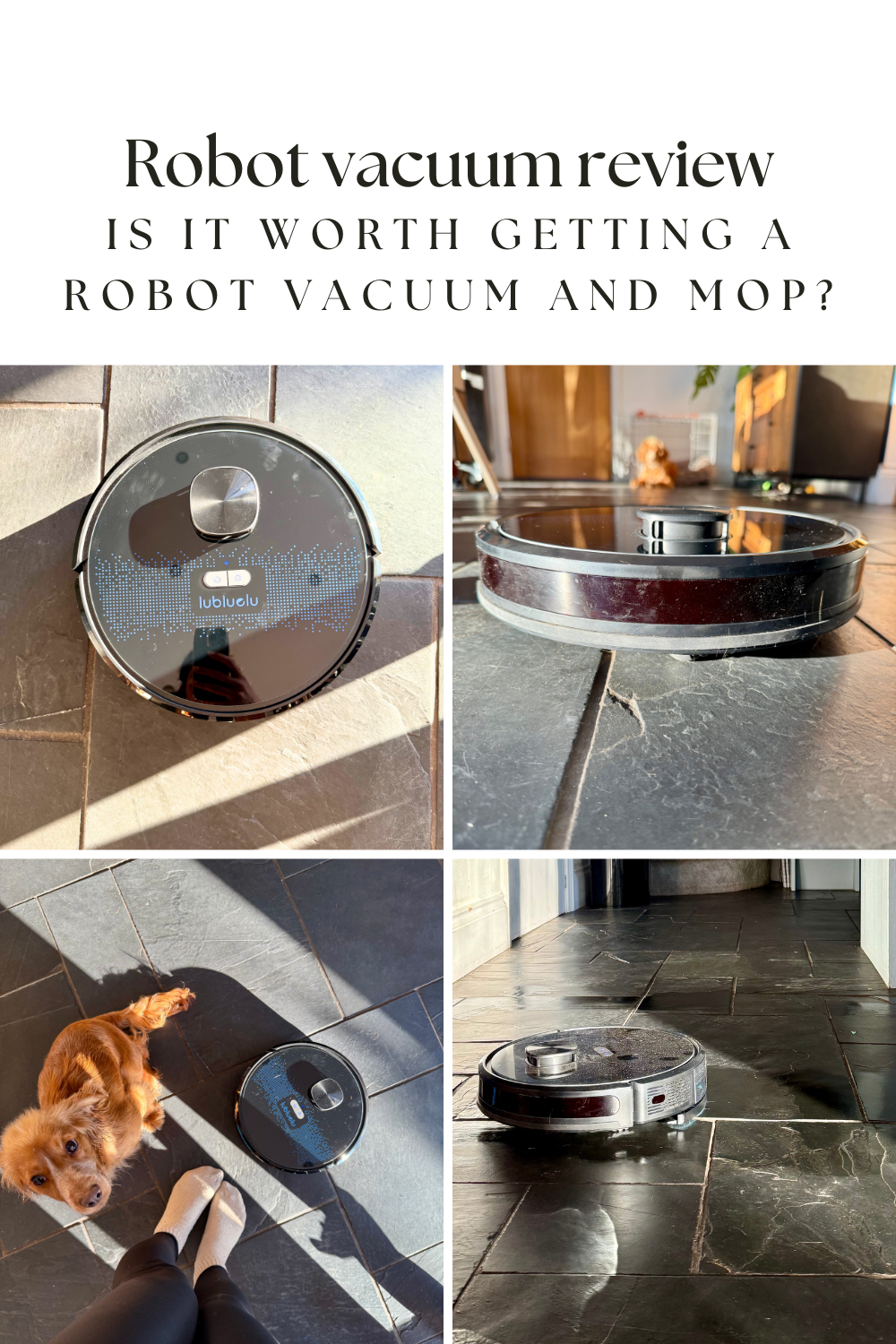
Some models focus on basic cleaning tasks. Others have advanced features for better navigation and cleaning. Some even combine vacuuming with mopping. Special models exist for homes with pets.
Basic Models
Basic robot vacuums clean floors with simple sensors. They move in random patterns to cover space. These models work well on hard floors and low-pile carpets. They usually have less power and fewer features. Basic models are affordable and good for small areas.
Advanced Navigation Systems
Robots with advanced navigation use cameras or lasers. They map rooms to clean in straight lines. These vacuums avoid obstacles and stairs efficiently. They often return to their dock to recharge. Advanced models save time and clean more thoroughly.
Hybrid Vacuum And Mop Robots
Hybrid robots vacuum and mop floors at once. They have a water tank and mop attachment. These robots work well on tiles and hardwood floors. They can switch between vacuuming and mopping modes. Hybrid models offer more versatile cleaning options.
Pet-friendly Options
Pet-friendly vacuums have strong suction to pick up pet hair. They use brushes designed to prevent hair tangles. Many include HEPA filters to trap allergens. These models handle dirt from pets quickly and quietly. Pet-friendly robots keep homes cleaner and fresher.
Key Features To Consider
Choosing the right robot vacuum cleaner means knowing which features matter most. These features affect how well the vacuum cleans and how easy it is to use. Understanding these key points helps pick a cleaner that fits your home and needs.
Battery Life And Charging
Battery life shows how long a robot vacuum runs on one charge. Longer battery life means it cleans more area without stopping. Some models return to their charging dock automatically. This saves time and keeps the vacuum ready for the next use.
Suction Power And Cleaning Modes
Suction power affects how well the vacuum picks up dirt and dust. Strong suction cleans carpets and hard floors better. Many vacuums offer different cleaning modes. Modes like spot cleaning or quiet mode help target specific needs.
Mapping And Navigation Technology
Good navigation helps the vacuum move smoothly around your home. Mapping technology lets the vacuum learn your floor plan. This avoids bumps and missed spots. Smart navigation saves cleaning time and covers all areas evenly.
App Control And Voice Commands
App control lets you start or stop cleaning from your phone. You can set cleaning schedules and check cleaning status easily. Voice commands work with assistants like Alexa or Google. This hands-free control adds convenience to daily cleaning.
Common Limitations
Robot vacuum cleaners offer convenience, but they come with some limits. Knowing these helps you decide if they fit your home and lifestyle. Some challenges may affect cleaning performance and user experience.
Handling Obstacles And Clutter
Robot vacuums struggle with cluttered rooms. Small items like toys or cables can block their path. They may get stuck under furniture or miss spots behind objects. Clearing the floor helps them clean better. These vacuums work best in open and tidy spaces.
Noise Levels
Robot vacuums make noise during operation. The sound can be loud in small rooms or quiet homes. Some models are quieter, but none are completely silent. Noise might disturb pets or people resting nearby. Running them while away can reduce disruption.
Maintenance Requirements
Regular care is needed to keep robot vacuums working well. You must empty dustbins often. Brushes and sensors need cleaning to avoid clogs. Batteries lose power over time and require replacement. Skipping maintenance lowers cleaning quality and device life.
Cost Considerations
Robot vacuums cost more than regular ones. Higher prices reflect advanced features and technology. Extra expenses include replacement parts and repairs. Budget models may lack some functions but cost less. Weigh price against convenience before buying.
Comparing Robot Vacuums With Traditional Vacuums
Robot vacuum cleaners and traditional vacuums serve the same purpose: cleaning floors. Yet, they differ in design, operation, and results. Comparing these two helps choose the best option for your needs. Let’s explore their cleaning performance, ease of use, price differences, and suitability for various homes.
Cleaning Performance
Traditional vacuums often provide stronger suction power. They can clean thick carpets and hard floors well. Robot vacuums work best on hard floors and low-pile carpets. They may miss corners or edges sometimes. Most robot models use sensors to avoid obstacles and map rooms. Traditional vacuums need manual handling to reach all areas.
Ease Of Use
Robot vacuums offer hands-free cleaning. You can set schedules and control them with apps. They clean automatically without much effort. Traditional vacuums require manual operation and effort. They need pushing, lifting, and moving around furniture. Robot vacuums save time but need occasional emptying and maintenance.
Price Differences
Robot vacuums generally cost more upfront than traditional models. Prices vary based on features like mapping and suction power. Traditional vacuums range from budget to high-end, often cheaper than robots. Consider long-term value and convenience when comparing prices.
Suitability For Different Home Types
Robot vacuums suit small to medium homes with mostly hard floors. They work well in open spaces without many stairs. Traditional vacuums fit larger homes and multi-level houses better. They clean various floor types and tight spaces effectively. Pets, children, and clutter can affect robot vacuum performance more.

Credit: www.youtube.com
Tips To Maximize Robot Vacuum Efficiency
Robot vacuum cleaners save time and effort cleaning your home. To get the best results, use some simple tips. These tips help your robot clean more efficiently and last longer. Follow these easy steps to improve your robot vacuum’s performance every day.
Preparing Your Home
Clear small objects from the floor. Toys, cables, and clothes can block the vacuum. Move furniture slightly if it blocks paths. This helps the robot reach more areas. Keep doors open to connect rooms. A tidy floor makes cleaning faster and better.
Scheduling Cleaning Sessions
Set the vacuum to clean at regular times. Choose times when the floor is clear. Daily or every other day works well. Regular cleaning stops dirt buildup. It keeps your home fresh and reduces deep cleaning needs.
Regular Maintenance
Empty the dustbin after each use. Clean the brushes and wheels often. Check for tangled hair or threads. Replace filters as the manual says. Well-maintained parts keep the vacuum working well. It also helps the battery last longer.
Using Virtual Barriers And Zones
Use virtual barriers to block off areas. This stops the vacuum from entering places it can get stuck. Set cleaning zones for specific rooms or spots. Focus cleaning on high-traffic areas. Virtual barriers make cleaning safer and more focused.
Future Trends In Smart Cleaning
Smart cleaning technology continues to evolve quickly. Robot vacuum cleaners are becoming more intelligent and efficient. New features will make these devices even more helpful around the home. Understanding future trends can help you decide if a robot vacuum is worth it for you.
Ai And Machine Learning
AI helps robots learn your cleaning habits. They adjust to your home’s layout over time. Machine learning improves their ability to avoid obstacles. Robots become smarter and more precise with each use. This leads to better cleaning results and less manual work.
Enhanced Mapping Capabilities
Future vacuums will create detailed maps of your home. They will remember rooms and specific problem areas. Enhanced mapping allows robots to clean faster and more thoroughly. You can expect better coverage and fewer missed spots.
Multi-function Cleaning Robots
New robots will handle more than just vacuuming. They may mop, sweep, or scrub floors as well. Multi-function machines save time and effort. One device could replace several cleaning tools in your home.
Integration With Smart Home Ecosystems
Robot vacuums will connect easily with other smart devices. Voice control through assistants like Alexa or Google will be common. Integration allows for scheduled cleaning and remote control. This creates a seamless, hands-free cleaning experience.

Credit: ilifecare.in
Frequently Asked Questions
Are Robot Vacuum Cleaners Effective On All Floor Types?
Yes, most robot vacuums work well on hardwood, tile, and low-pile carpets. However, thick rugs may reduce their efficiency.
How Long Does A Robot Vacuum Run On A Single Charge?
Robot vacuums typically run between 60 to 120 minutes per charge. Battery life varies by model and cleaning mode used.
Can Robot Vacuums Reach Tight Corners And Edges?
Robot vacuums use side brushes to clean edges but may miss tight corners. Manual touch-up is sometimes needed for thorough cleaning.
Do Robot Vacuum Cleaners Handle Pet Hair Efficiently?
Yes, many models are designed to pick up pet hair effectively. They reduce allergens and keep floors cleaner for pet owners.
Conclusion
Robot vacuum cleaners save time and effort in daily cleaning. They work well on hard floors and low-pile carpets. Some models handle pet hair and small debris effectively. Battery life and navigation vary by brand and price. Consider your home size and cleaning needs before buying.
While not perfect, they offer convenience for many households. A robot vacuum can be a helpful tool, not a full replacement. Think about what fits your lifestyle best.
As an Amazon Associate, I earn from qualifying purchases.