Are you wondering if a steam mop is safe for your wood floors? You want your floors to shine and stay clean, but you also don’t want to damage them.
Using the wrong cleaning method can cause warping, dullness, or even permanent harm. You’ll discover the truth about steam mops and wood floors. You’ll learn when it’s safe to use one—and when you should avoid it. Keep reading to protect your beautiful floors and keep them looking their best for years to come.
Credit: www.ambiencehardwoodflooring.co.uk
Steam Mop Basics
Steam mops have become popular tools for cleaning floors quickly and with less effort. They use hot steam to loosen dirt and kill germs. Understanding how these mops work helps you decide if they suit your wood floors.
Knowing the types of steam mops available also helps you pick the best one for your needs. Each type offers different features and cleaning power.
How Steam Mops Work
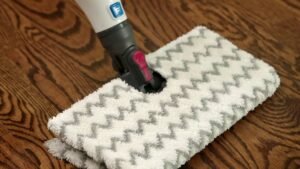
Steam mops heat water to create steam. This steam comes out through a mop pad. The hot steam breaks down dirt and grime on the floor surface. It also sanitizes without harsh chemicals. The mop pad picks up the loosened dirt and moisture. This process cleans floors gently yet effectively.
Types Of Steam Mops
There are several types of steam mops. Some have fixed water tanks, while others allow you to refill easily. Corded models provide steady power but limit movement. Cordless models offer freedom but need charging. Some steam mops come with adjustable steam levels for delicate floors. Others include extra attachments for cleaning corners and grout.

Credit: www.reallycheapfloors.com
Wood Floor Varieties
Wood floors come in different types. Each type reacts differently to cleaning methods. Knowing the variety helps choose the right care.
Some wood floors handle steam better than others. Others can get damaged easily by moisture and heat.
Solid Hardwood
Solid hardwood is made from one piece of wood. It is strong and lasts a long time. It can expand and shrink with weather changes. Too much steam can cause it to warp or crack. Use steam mops carefully or avoid them on solid hardwood.
Engineered Wood
Engineered wood has a thin wood layer on top of plywood. It is more stable than solid wood. It handles moisture better but still needs care. Steam mops may cause damage if used often. Light steam and quick drying can reduce risks.
Laminate Flooring
Laminate flooring has a photographic wood layer over fiberboard. It is not real wood but looks like it. Water can seep into the seams and cause swelling. Steam mops are usually not safe for laminate. Use a damp mop instead for cleaning.
Risks Of Steam Mopping Wood
Steam mops are popular for cleaning many floor types. Wood floors, though, need special care. Using steam on wood can cause problems. Understanding these risks helps protect your floors. Here are the main dangers of steam mopping wood.
Moisture Damage
Wood is sensitive to water. Steam adds moisture directly to the floor. This moisture can soak into the wood. Over time, it causes swelling and stains. Damp wood also invites mold and mildew growth. Excess moisture weakens the wood’s structure.
Warping And Buckling
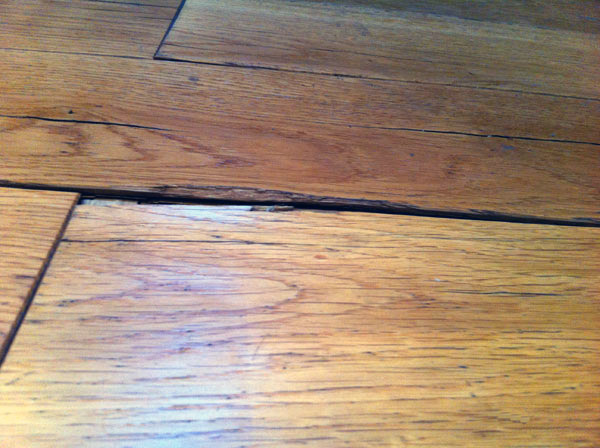
Heat and water from steam can change wood’s shape. Wood boards may warp or lift from the floor. This happens when wood absorbs moisture unevenly. Warping creates gaps and uneven surfaces. Buckled floors look bad and can be unsafe.
Finish Deterioration
Wood floors have protective finishes. Steam can break down this finish fast. Without finish, wood is exposed to scratches and stains. The floor loses its shine and smoothness. Reapplying finish can be costly and time-consuming.

Credit: www.reddit.com
Safe Steam Mopping Practices
Steam mops can clean wood floors well, but safety is key. Using steam the wrong way can damage your floors. Follow simple rules to keep wood floors safe and shiny. These tips help you enjoy steam cleaning without harm.
Check Manufacturer Guidelines
Start by reading your floor’s manufacturer instructions. Some wood floors do not work well with steam. Guidelines tell you if steam cleaning is safe or not. Following them protects your floor’s finish and structure.
Adjust Steam Settings
Use the lowest steam setting for wood floors. High heat and moisture can cause warping or stains. Control the steam amount to keep floors dry quickly. Less steam means less risk of damage.
Use Protective Pads
Attach a soft microfiber pad to the steam mop head. Pads absorb excess moisture and protect the floor surface. They also help spread steam evenly. Replace pads often to avoid dirt scratching the wood.
Alternative Cleaning Methods
Wood floors need gentle care to stay beautiful. Steam mops can harm wood by adding too much moisture. Choose other cleaning methods that protect your floors and keep them shiny. These alternatives clean well without risking damage.
Microfiber Mops
Microfiber mops are soft and gentle on wood floors. They pick up dust and dirt without scratching. Use dry or slightly damp microfiber mops for best results. These mops trap particles and leave floors clean and smooth.
Damp Mopping Tips
Use a damp mop, not a wet one. Too much water can cause wood to swell or warp. Wring the mop well before use. Mop in the direction of the wood grain. Change water often to avoid spreading dirt around.
Recommended Cleaning Products
Choose cleaners made for wood floors. Avoid harsh chemicals and ammonia-based products. Mild soap or special wood floor cleaners work well. Test any new product on a small, hidden area first. Follow the instructions on the label carefully.
Maintenance Tips For Wood Floors
Wood floors bring warmth and beauty to any home. They need special care to keep looking great. Proper maintenance helps avoid damage and keeps floors smooth and shiny. Follow these simple tips to protect your wood floors and extend their life.
Regular Dusting
Dust and dirt can scratch wood floors easily. Use a soft broom or a microfiber mop to remove dust daily. Avoid using wet mops often, as water can harm wood. Regular dusting stops dirt from building up and keeps floors clean.
Preventing Scratches
Furniture and shoes can cause scratches on wood floors. Place felt pads under chair and table legs. Remove shoes before walking on the floor to reduce wear. Keep pet nails trimmed to avoid marks. These steps protect the floor’s surface from damage.
Humidity Control
Wood floors react to changes in humidity. Too much moisture causes wood to swell and warp. Too little dries it out and causes cracks. Use a humidifier in dry seasons and a dehumidifier in humid weather. Keep indoor humidity between 30% and 50% to maintain wood floors well.
Frequently Asked Questions
Can Steam Mops Damage Wood Floors?
Yes, steam mops can damage wood floors by causing warping or discoloration. Use only steam mops designed for sealed wood floors and follow manufacturer guidelines carefully.
Are Steam Mops Safe For Sealed Wood Floors?
Steam mops are generally safe for sealed wood floors. Always check your floor’s sealant and use low steam settings to prevent moisture damage.
How Often Should You Steam Mop Wood Floors?
Steam mop wood floors sparingly, about once a month. Excessive steam can weaken wood and damage the finish over time.
What Alternatives Exist To Steam Mops For Wood Floors?
Use microfiber mops or damp cloths with wood-friendly cleaners. These methods clean effectively without risking moisture damage from steam.
Conclusion
Steam mops can clean wood floors carefully. Use low steam settings to avoid damage. Always check your floor’s finish before starting. Quick drying helps protect the wood from warping. Regular cleaning keeps floors shiny and healthy. Avoid using too much water or steam.
A gentle approach works best for wood floors. This way, your floors stay beautiful and last longer. Choose the right tools to care for your wood floors well.
As an Amazon Associate, I earn from qualifying purchases.