Are you wondering if you can use a steam mop on your hardwood floors without causing damage? You’re not alone.
Hardwood floors add beauty and warmth to any home, and keeping them clean is important to you. But with so many cleaning options, it’s hard to know what’s safe and effective. What if the steam mop you’re considering could save you time and effort, but also harm your floors?
You’ll discover the truth about steam mopping hardwood floors and learn the best way to keep them shining without risk. Keep reading to protect your investment and enjoy spotless floors every day.
Steam Mopping And Hardwood Floors
Steam mops have grown popular for cleaning floors quickly and with less effort. Hardwood floors need special care to keep their shine and strength. Using steam mops on hardwood floors raises a common question: Is it safe or could it cause damage? Understanding how steam mops work and the risks for hardwood floors helps make the right choice.
How Steam Mops Work
Steam mops heat water to create steam. This steam loosens dirt and kills germs on floors. The mop’s pad wipes away the dirt easily. Steam mops use little water compared to regular mopping. They dry floors faster because of the hot steam. This method cleans without harsh chemicals or strong scents.
Hardwood Floor Vulnerabilities
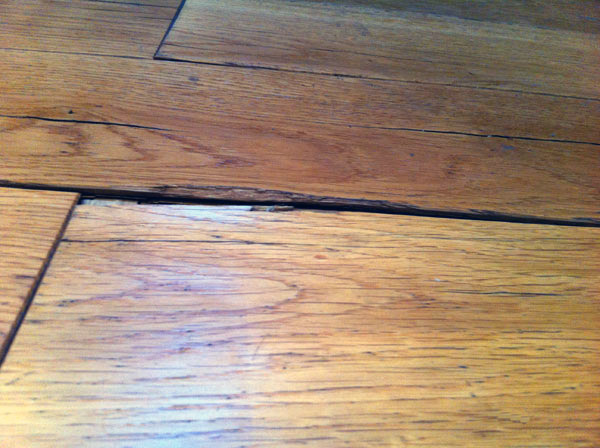
Hardwood floors are sensitive to water and heat. Too much moisture can cause wood to swell or warp. Steam’s heat and moisture may break the floor’s protective layer. Over time, this leads to dullness, cracks, or stains. Floors with gaps or cracks soak up more water. Some hardwood finishes resist steam better than others.
Risks Of Steam Cleaning Hardwood
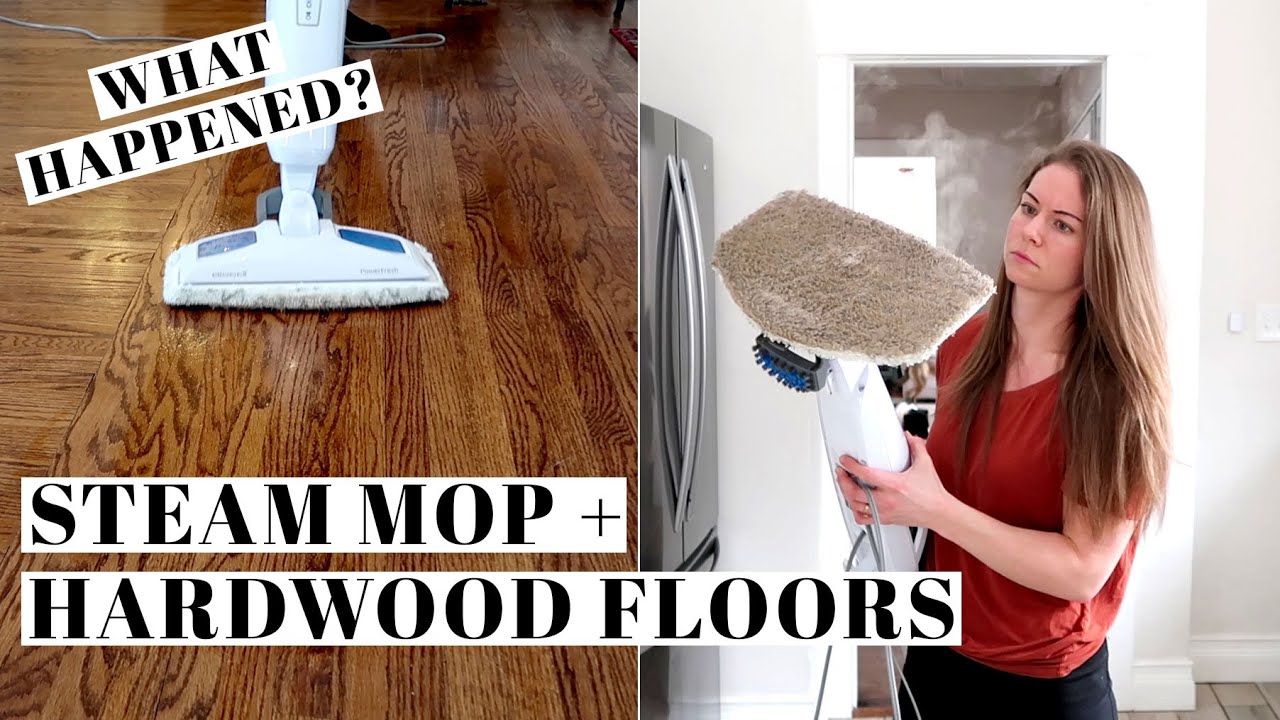
Steam mopping hardwood floors can seem like a quick way to clean them deeply. Yet, steam cleaning carries several risks that can harm the wood. Understanding these risks helps protect your floors and keeps them looking good for years.
Hardwood is sensitive to water and heat. Too much steam can cause serious damage that is hard to fix. It is important to know what can go wrong before using a steam mop on hardwood.
Moisture Damage
Wood soaks up water easily. Steam adds moisture that can seep into the floorboards. This excess water may cause the wood to swell and weaken. Over time, moisture damage can lead to stains and mold growth. The finish on the wood may also peel or bubble from too much water.
Heat Effects On Wood Finish
Steam uses high heat to clean surfaces. This heat can break down the protective finish on hardwood floors. Once the finish wears away, the wood becomes more vulnerable to scratches and dirt. Heat can also dull the wood’s shine, leaving it looking old and worn out.
Potential Warping And Cupping
Wood naturally expands and contracts with moisture changes. Steam causes uneven wetting, making some parts of the wood swell more. This can create warping, where boards bend or twist out of shape. Cupping may also occur, where edges of the boards lift higher than the center. Both problems create an uneven floor surface that is hard to repair.
Choosing The Right Steam Mop
Choosing the right steam mop is key for cleaning hardwood floors safely. Not all steam mops fit hardwood floors well. Some can damage the wood or leave it too wet. Picking a mop with the right features helps protect your floors and keeps them shiny.
Look closely at the mop’s heat and steam controls. These features decide how gentle the mop is on wood. Also, check if the mop includes attachments made for hardwood. Safety certifications matter too. They show the mop meets quality and safety rules.
Low-heat And Steam Control Features
Hardwood floors need low heat to avoid damage. Steam control lets you adjust the steam output. This stops excess moisture from soaking into the wood. A good steam mop offers multiple steam levels. It helps you use just enough steam for cleaning. Too much steam can cause warping or stains.
Compatible Attachments For Hardwood
Attachments protect wood surfaces during cleaning. Soft microfiber pads are best for hardwood floors. They absorb dirt without scratching. Some mops include scrubbers but avoid these on hardwood. Choose pads designed specifically for wood floors. This keeps the floor safe and clean.
Safety Certifications To Look For
Certifications prove the steam mop meets safety standards. Look for UL or ETL marks on the product. These show the mop has passed electrical safety tests. Some mops have green certifications too. They confirm the product is eco-friendly and safe. Certified mops give peace of mind during use.
Credit: www.ambiencehardwoodflooring.co.uk
Preparation Before Steam Mopping
Preparing your hardwood floors before steam mopping is very important. Proper preparation helps protect the wood and keeps your floors looking great. It also ensures the steam mop works well without causing damage.
Start by clearing the floor of dust and dirt. This step stops scratches and makes the steam mop more effective. Next, check the floor’s condition to avoid using steam on damaged wood. Finally, test the steam mop in a small area to see how the floor reacts.
Sweeping And Vacuuming
Remove dust and debris by sweeping or vacuuming first. Use a soft broom or a vacuum with a hardwood floor setting. This prevents scratches from dirt particles during steam mopping. Clean floors let the steam mop work better and cleaner.
Checking Floor Condition
Look closely at the floor for any cracks, gaps, or peeling finish. Steam can harm floors with damage or weak finishes. Avoid steam mopping if the floor shows signs of wear. Maintain the floor’s health to keep it safe from steam moisture.
Testing In A Small Area
Try steam mopping a small hidden area first. This test shows how the floor handles steam and heat. Wait a few minutes to see if the wood swells or the finish dulls. Testing helps avoid bigger problems on the whole floor.
Safe Steam Mopping Techniques
Steam mopping hardwood floors can clean effectively. Yet, it requires care. Hardwood is sensitive to moisture and heat. Following safe steam mopping techniques helps protect your floors. These steps keep your wood looking good and lasting longer.
Using the right method prevents damage like warping or discoloration. Focus on controlling steam, water, and your mop’s movement. Here are key tips for safe steam mopping.
Using Minimal Steam
Set your steam mop to the lowest steam setting. Too much steam can soak the wood. Use short bursts of steam instead of continuous flow. Keep the mop moving to avoid steam sitting in one spot. Minimal steam cleans without over-wetting the floor.
Avoiding Excessive Water
Water damages hardwood floors. Do not pour water directly on the floor. The steam mop should not drip water. Check the mop pad regularly and wring it out if needed. Dry floors quickly with a clean cloth if wet spots appear. Less water means safer cleaning for your wood.
Movement And Timing Tips
Move the mop slowly but steadily. Do not stay too long on one area. Let the steam clean and dry quickly. Avoid over-mopping the same spot. Clean small sections at a time. This method keeps floors dry and prevents damage.

Credit: www.reallycheapfloors.com
Alternatives To Steam Mopping
Steam mopping can be risky for hardwood floors. It may cause damage like warping or discoloration. Many homeowners prefer safer cleaning options. These alternatives keep floors clean without harm. They are easy to use and effective. Below are some good choices for cleaning hardwood safely.
Microfiber Mops
Microfiber mops are gentle on wood surfaces. They trap dust and dirt well. Use dry or slightly damp microfiber mops for best results. These mops clean without soaking the floor. They reduce the chance of water damage. Microfiber pads are washable and reusable. This makes them a cost-effective option.
Recommended Cleaning Solutions
Use cleaning solutions made for hardwood floors. Avoid harsh chemicals and ammonia-based cleaners. Choose pH-neutral or mild soap cleaners. Mix a small amount with water. Apply with a damp mop, not wet. This keeps the wood safe and shiny. Always test the cleaner on a small spot first.
Routine Maintenance Tips
Sweep or vacuum regularly to remove dirt. Dirt can scratch the wood if left alone. Wipe up spills immediately to prevent stains. Use area rugs in high traffic zones. Avoid using abrasive tools or scrubbing pads. Maintain humidity levels to keep wood stable. Proper care extends the life of hardwood floors.
When To Avoid Steam Mopping
Steam mopping can be a quick way to clean hardwood floors. Yet, it is not safe for every type of wood floor. Knowing when to avoid steam mopping helps protect your floors from damage. Some floors need gentler care and less moisture.
Unfinished Or Waxed Floors
Unfinished hardwood floors absorb water easily. Steam can cause swelling and warping. Waxed floors have a protective layer that steam can break down. This leads to dull spots and uneven shine. Avoid steam mopping these floors to keep their look.
Old Or Damaged Wood
Old hardwood floors often have cracks or worn finishes. Steam can seep into gaps and worsen damage. Damaged wood may absorb moisture and swell unevenly. Use a dry or slightly damp mop instead. Protect fragile floors from steam’s heat and moisture.
Manufacturer Restrictions
Many hardwood floor makers warn against steam mopping. Their finishes may not resist high heat or moisture. Using steam can void your warranty. Always check the manufacturer’s cleaning advice. Follow their rules to keep your floor safe and lasting.
Credit: www.youtube.com
Frequently Asked Questions
Can You Use A Steam Mop On Hardwood Floors?
Yes, you can use a steam mop on sealed hardwood floors. Avoid using it on unsealed or waxed wood to prevent damage.
Is Steam Mopping Safe For All Hardwood Types?
Steam mopping is safe for sealed hardwood floors. Avoid using it on sensitive or unsealed hardwood to protect the wood from moisture.
How Often Should You Steam Mop Hardwood Floors?
Steam mop hardwood floors once every 1-2 weeks. Frequent use may damage the wood or finish over time.
What Precautions Are Needed When Steam Mopping Hardwood?
Use low steam settings and a microfiber pad. Avoid excess water and always test on a small area first.
Conclusion
Steam mopping hardwood floors can be risky. Too much moisture may damage the wood. Always check your floor’s finish before using a steam mop. Choose low steam settings to protect your floors. Use a microfiber pad to clean gently. Regular cleaning with a dry or damp mop works best.
Keep your hardwood floors looking great with careful care. Protect your investment by using the right cleaning tools. Steam mops can help but use them wisely. Clean floors feel fresh and look beautiful.
As an Amazon Associate, I earn from qualifying purchases.