Are you struggling with sticky, uncomfortable air in your home? You might be wondering if an air purifier can help with humidity.
It’s a common question because humidity affects how fresh and healthy your space feels. Imagine breathing easier and feeling more comfortable every day. But does an air purifier really make a difference when moisture levels rise? Keep reading to discover the truth about air purifiers and humidity—and find out what you can do to create the perfect indoor environment for you and your family.
How Air Purifiers Work
Air purifiers clean the air inside homes and offices. They remove dust, pollen, smoke, and other tiny particles. These devices use different methods to trap or destroy harmful substances. Understanding how air purifiers work helps to see their effect on air quality and humidity.
Filtration Mechanisms
Air purifiers usually have filters that catch particles. The most common filter is called HEPA. It captures very small particles like dust and pet dander. Some purifiers use activated carbon filters. These absorb odors and gases from the air. Other types use UV light to kill germs and bacteria. The filters clean the air but do not remove water vapor. So, they do not reduce humidity directly.
Types Of Air Purifiers
There are several types of air purifiers available. Mechanical purifiers use filters to trap particles. Electronic purifiers use static electricity to capture dust. Some use ionizers that release charged ions to pull particles out. UV purifiers kill bacteria with ultraviolet light. Each type targets different pollutants. None of these types can lower humidity levels by themselves.
Credit: jaspr.co
Air Purifiers And Humidity Levels
Air purifiers are popular for cleaning indoor air by removing dust, pollen, and smoke. Many people wonder if these devices also affect humidity levels. Understanding how air purifiers work helps clear up this question. Knowing their role can guide better choices for home comfort.
Impact On Moisture In The Air
Air purifiers do not remove moisture from the air. Their main job is to trap tiny particles and allergens. They use filters to catch dust, pet dander, and other pollutants. Moisture, or water vapor, passes through these filters without change.
Humidity depends on temperature and water vapor in the air. Air purifiers do not have features to control or reduce humidity. Devices like dehumidifiers or air conditioners are needed to lower moisture levels.
Common Misconceptions
Many believe air purifiers dry out the air. This idea comes from confusion between filtering particles and removing moisture. Some people think cleaner air feels less humid, but this is not true.
Others think air purifiers can help with mold growth by controlling humidity. Actually, mold prevention requires lowering moisture, which air purifiers cannot do. Using the right device is important for managing indoor air quality and comfort.
Devices Designed For Humidity Control
Devices designed for humidity control help manage moisture levels in your home. These devices keep air comfortable and healthy. They prevent problems like mold, dust mites, and dry skin.
Choosing the right device depends on your home’s humidity level. Too much moisture calls for a dehumidifier. Too little moisture needs a humidifier. Understanding these tools helps you create a better living space.
Humidifiers Vs. Dehumidifiers
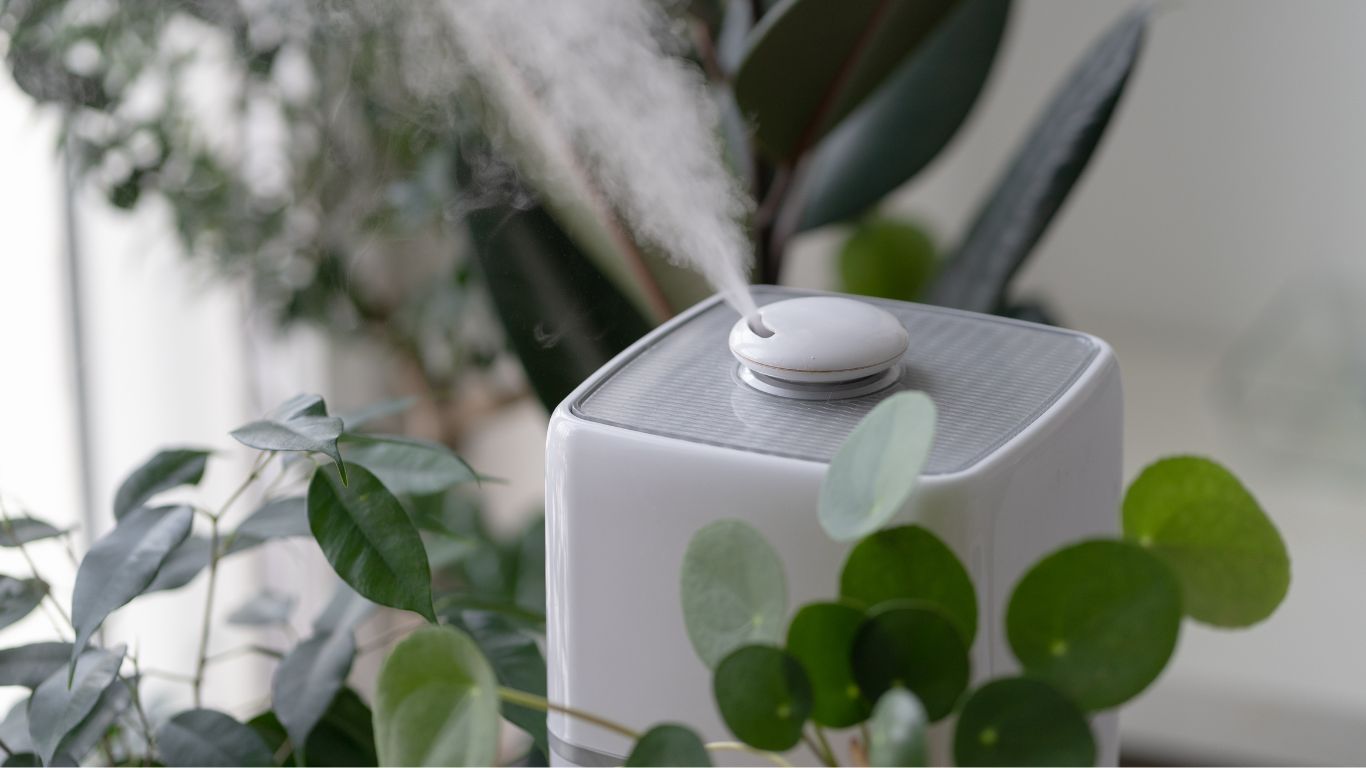
Humidifiers add moisture to dry air. They are useful in winter or dry climates. These devices help reduce dry skin and irritated sinuses.
Dehumidifiers remove excess moisture from the air. They help prevent mold and mildew growth. Using a dehumidifier can reduce musty odors and protect furniture.
Both devices improve indoor air quality but serve opposite purposes. Choose based on whether your home is too dry or too humid.
Combining Air Purifiers With Humidity Devices
Air purifiers clean the air by removing dust, pollen, and allergens. They do not control humidity levels. Using air purifiers with humidifiers or dehumidifiers improves air quality and comfort.
This combination helps reduce airborne particles and balance moisture. It supports better breathing and overall health. Keeping both air quality and humidity in check creates a pleasant home environment.
Benefits Of Controlling Humidity
Controlling humidity in your home brings many benefits. It helps create a comfortable living space. Proper humidity levels prevent problems like mold and dust mites. These issues can cause health and property damage. Managing humidity also supports the function of air purifiers. They work better in balanced air conditions. Let’s explore the key benefits of controlling humidity.
Health Advantages
Balanced humidity reduces the growth of mold and bacteria. These can cause allergies and respiratory problems. Dry air can irritate skin, eyes, and throat. Proper humidity keeps your skin moist and comfortable. It also prevents asthma attacks triggered by dry or damp air. Controlling humidity improves overall air quality. This leads to better breathing and fewer health issues.
Protecting Home And Belongings
High humidity causes wood to swell and warp. It also damages furniture, walls, and floors. Low humidity makes wood crack and paint peel. Proper humidity protects your home’s structure and belongings. It stops mold from growing on walls and fabrics. Electronics also last longer in balanced humidity. Controlling moisture helps keep your home safe and strong.
Tips For Managing Indoor Humidity
Managing indoor humidity is important for comfort and health. High humidity can cause mold and dust mites. Low humidity can make air dry and uncomfortable. Simple steps can help keep humidity at a good level. These tips improve air quality and protect your home.
Using Ventilation Effectively
Open windows to let fresh air in. Use exhaust fans in kitchens and bathrooms. Ventilation helps remove moisture from inside the house. It prevents dampness and reduces indoor humidity. Running fans during cooking or showering is helpful.
Monitoring Humidity Levels
Check humidity with a hygrometer. Ideal indoor humidity is between 30% and 50%. Too high or too low can cause problems. Monitor regularly to keep it balanced. Adjust ventilation or use humidifiers and dehumidifiers as needed.
Maintenance Of Air Quality Devices
Clean air purifiers and humidifiers often. Dirty devices can spread dust and mold spores. Replace filters as recommended by the manufacturer. Proper maintenance keeps devices working well. It also helps control indoor humidity better.

Credit: www.intellipure.com

Credit: www.daikinmea.com
Frequently Asked Questions
Do Air Purifiers Reduce Indoor Humidity Levels?
No, air purifiers do not reduce indoor humidity. They clean air by removing particles but don’t affect moisture levels.
Can Air Purifiers Prevent Mold Caused By Humidity?
Air purifiers help reduce mold spores but do not control humidity. Use a dehumidifier to manage moisture and prevent mold growth.
Are Air Purifiers Effective Against Humidity-related Allergens?
Yes, air purifiers can trap allergens like dust mites and mold spores. However, they don’t lower humidity that causes these allergens to thrive.
Should I Use An Air Purifier Or Dehumidifier For Humidity?
For controlling humidity, a dehumidifier is best. Air purifiers improve air quality but do not remove excess moisture.
Conclusion
Air purifiers help clean the air but do not control humidity. They remove dust, pollen, and some particles from the air. Humidity levels need a dehumidifier or humidifier to change. Keeping the right humidity is important for comfort and health.
Use an air purifier along with a humidity device for best results. This way, you can breathe cleaner air and maintain good moisture levels. Remember, one device cannot do everything. Choose tools based on your specific needs.
As an Amazon Associate, I earn from qualifying purchases.