Are unpleasant smells taking over your space and making it hard to relax? You might be wondering if an air purifier is the solution you need.
Imagine breathing fresh, clean air every day, free from odors that bother you or your guests. But does an air purifier really help with smell? You’ll discover how these devices work, what types of odors they can tackle, and whether they’re the right choice for your home.
Keep reading to find out how to bring freshness back into your life.

Credit: www.mspurelife.com
How Air Purifiers Work
Air purifiers clean the air by removing particles and impurities. They pull air inside, pass it through filters, and release cleaner air. This process helps reduce dust, smoke, and allergens. It also affects odors in the room. Understanding how air purifiers work helps to see their effect on smells.
Types Of Air Purifiers
There are several types of air purifiers. HEPA purifiers trap tiny particles like dust and pollen. Activated carbon purifiers absorb gases and odors. Ionizers release charged ions to make particles stick to surfaces. Some models combine these methods for better cleaning.
Filtration Technologies
HEPA filters capture 99.97% of particles down to 0.3 microns. They do not remove gases or smells well. Activated carbon filters use charcoal to trap smells and harmful gases. Ionizers use electrical charges to remove particles, but can produce ozone, which may irritate some people. Each technology targets different air problems.
Air Purifiers And Odor Removal
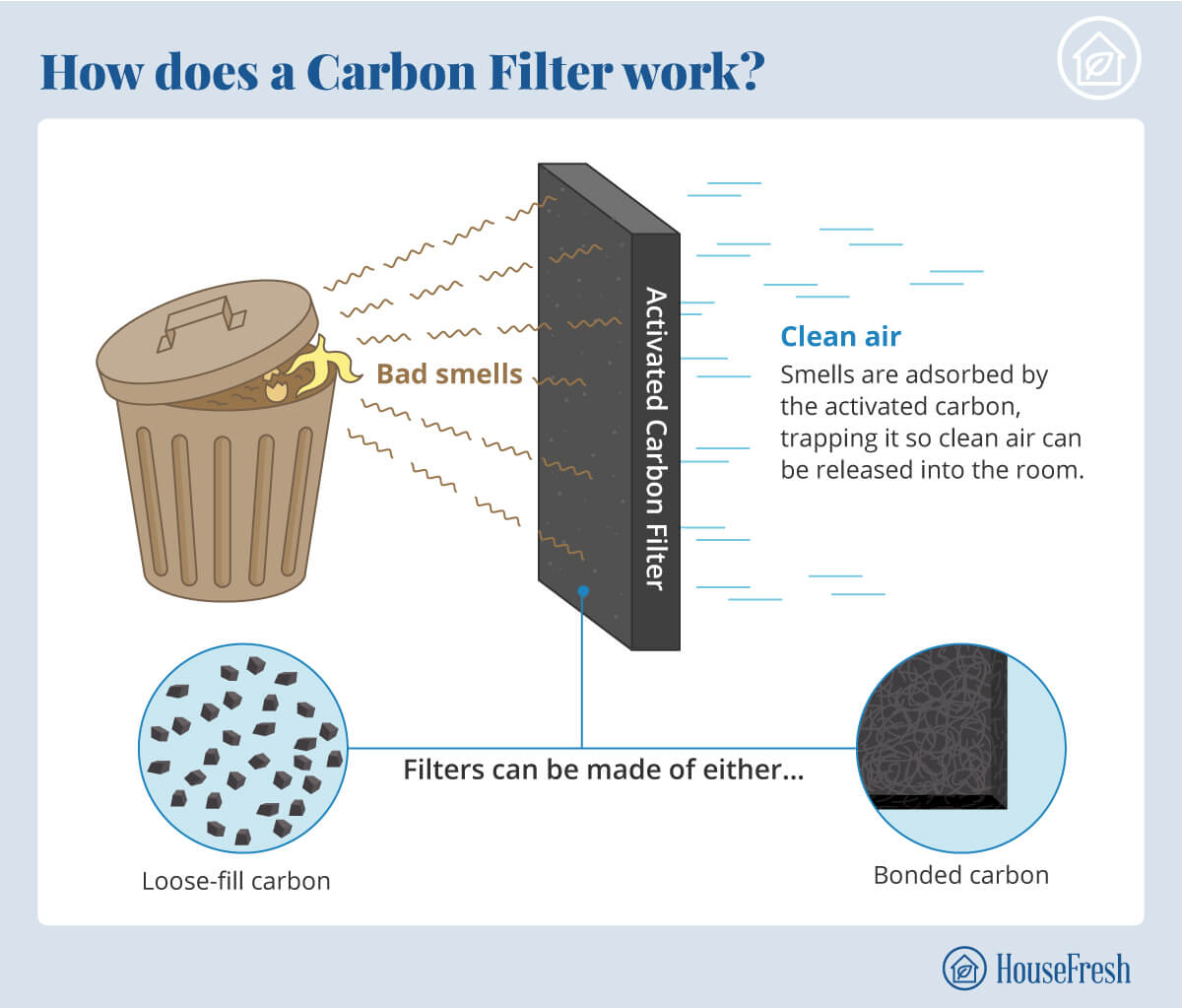
Odors come from gases and tiny particles in the air. HEPA filters alone cannot remove most smells. Activated carbon filters are best for odors. They absorb chemicals that cause bad smells. The amount of carbon in the filter affects how well odors are removed. Some air purifiers mix HEPA and carbon filters for cleaner and fresher air.

Credit: www.youtube.com
Common Sources Of Household Odors
Household odors come from many common sources. These smells can build up and affect your home’s air quality. Knowing where these odors come from helps in managing them better. Air purifiers can help reduce these odors, but understanding their origin is key.
Pet Smells
Pets bring joy and sometimes odors. Their fur, saliva, and waste create smells. Even clean pets can leave behind dander and oils. These particles float in the air and stick to furniture. Regular cleaning and air purifiers can reduce these odors.
Cooking Odors
Cooking creates strong smells from spices, oils, and food. Some foods release smoke or grease that lingers. Kitchens without good ventilation keep these odors trapped. Air purifiers with activated carbon filters help absorb cooking smells.
Mold And Mildew
Mold grows in damp places like bathrooms and basements. It causes a musty, unpleasant smell. Mold releases spores that worsen air quality and health. Air purifiers with HEPA filters can capture mold spores and reduce smell.
Smoke And Chemicals
Smoke from cigarettes or fires leaves a heavy odor. Chemicals from cleaning products or paints also create strong smells. These odors can irritate the lungs and eyes. Air purifiers remove smoke particles and chemical fumes effectively.
Effectiveness Of Air Purifiers On Odors
Air purifiers can reduce bad smells in your home. Their success depends on the type of filter they use. Some filters trap odor particles better than others. Understanding how these filters work helps choose the right purifier for odor problems.
Activated Carbon Filters
Activated carbon filters are good at capturing odors. They use tiny pores to trap gases and smells. This filter can remove smoke, cooking smells, and pet odors. The carbon absorbs chemicals that cause bad smells. Over time, the filter needs replacement to stay effective.
Hepa Filters And Odors
HEPA filters trap tiny particles like dust and pollen. They do not remove gases or smells well. HEPA is best for allergens but not for odors. Combining HEPA with carbon filters improves odor removal. Pure HEPA alone will not clear bad smells.
Ozone Generators And Safety
Ozone generators claim to remove odors by releasing ozone gas. Ozone can be harmful to breathe, causing lung irritation. Many health experts advise against using ozone generators indoors. They might reduce odors but risk your health. Safer air purifiers avoid ozone production.
Credit: housefresh.com
Complementary Odor Control Methods
Air purifiers help reduce smells, but they work best with other methods. Combining odor control techniques makes your space fresher and cleaner. Simple actions can improve air quality and remove odors effectively.
Ventilation And Airflow
Fresh air lowers indoor smells fast. Open windows to let air move in and out. Use fans to boost airflow in rooms. Good ventilation stops odors from building up. It helps your air purifier work better too.
Cleaning And Maintenance
Regular cleaning removes odor sources. Wash fabrics like curtains and cushions often. Clean floors and surfaces to stop smells. Empty trash bins and keep drains clean. Fix mold or leaks quickly to avoid bad odors.
Natural Deodorizers
Natural items absorb or mask odors gently. Baking soda works well on carpets and rugs. Place bowls of vinegar in smelly areas. Fresh herbs like lavender add a nice scent. These options are safe and easy to use at home.
Choosing The Right Air Purifier
Choosing the right air purifier is key to reducing odors effectively. Not all air purifiers work the same way. Some fit small rooms, while others cover large spaces. Knowing what to expect helps you pick the best device for your needs.
Room Size And Coverage
Check the room size before buying an air purifier. Each model lists the maximum square footage it can clean. Using a small purifier in a large room lowers its performance. Match the purifier’s coverage with the room size for best results.
Filter Replacement And Costs
Filters capture odors and need regular replacement. Some filters last three to six months. Others may last longer. Replacement filters cost money, so consider this before buying. Choose a purifier with affordable and easy-to-find filters.
Additional Features To Consider
Extra features add convenience and improve air quality. Look for a timer, multiple fan speeds, and a filter change indicator. A quiet mode helps if you use the purifier in bedrooms. These small extras make daily use easier and more effective.
Frequently Asked Questions
Can An Air Purifier Remove Bad Odors Effectively?
Yes, air purifiers with activated carbon filters can absorb and neutralize bad odors. They trap smoke, cooking smells, and pet odors, improving indoor air quality.
How Long Does It Take For An Air Purifier To Remove Smells?
It usually takes 30 minutes to a few hours for an air purifier to reduce odors. The duration depends on room size and odor intensity.
Which Air Purifier Filter Is Best For Smell Removal?
Activated carbon filters are the best for odor removal. They adsorb volatile organic compounds (VOCs) and other odor-causing particles effectively.
Will An Air Purifier Eliminate Smoke Smell Completely?
Air purifiers can significantly reduce smoke smell but might not eliminate it fully. Combining ventilation and regular cleaning helps remove persistent smoke odors.
Conclusion
Air purifiers can help reduce many indoor smells. They work best on smoke, cooking odors, and pet smells. Some smells, like mold or chemicals, may need extra cleaning. Choosing the right air purifier matters for best results. Regular use keeps your air fresher and cleaner.
Remember, no device removes all odors completely. Still, an air purifier can improve your home’s smell. It adds comfort and makes breathing easier. Try one to see how it changes your space.
As an Amazon Associate, I earn from qualifying purchases.