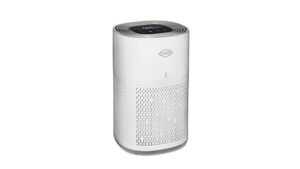
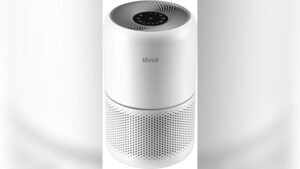
Are you confused about whether you need an air purifier or a humidifier for your home? Both devices improve the air you breathe, but they do very different things.
Choosing the right one can make a big difference in your comfort and health. You’ll discover exactly how these two machines work, what problems they solve, and which one fits your needs best. Keep reading to clear up the confusion and make a smart choice for your space and well-being.

Credit: getpuroair.com
How Air Purifiers Work
Air purifiers clean the air in your home or office. They remove tiny particles and harmful substances. These devices help create a safer breathing space. Understanding how air purifiers work can guide your choice.
Types Of Air Purifiers
There are several types of air purifiers. HEPA filters trap dust, pollen, and pet dander. Activated carbon filters absorb odors and gases. Ionizers release charged particles to pull pollutants from the air. Some models combine these methods for better cleaning.
Common Air Pollutants Removed
Air purifiers target many pollutants. Dust and pollen cause allergies and sneezing. Smoke and pet dander irritate lungs and eyes. Mold spores can trigger asthma attacks. Harmful gases from cooking or chemicals also get removed. Cleaner air means fewer irritants around you.
Benefits For Health
Breathing clean air improves health. Air purifiers reduce allergy and asthma symptoms. They lower the risk of respiratory infections. Better air quality can improve sleep and energy. Using an air purifier helps protect your lungs daily.
How Humidifiers Work
Humidifiers add moisture to the air to increase humidity levels indoors. Dry air can cause discomfort and health problems. Humidifiers help balance the moisture in your home. They work by releasing water vapor or steam into the air. This process improves air quality and comfort.
Types Of Humidifiers
There are several types of humidifiers. The main ones are evaporative, ultrasonic, and steam vaporizers. Evaporative humidifiers use a wick filter to absorb water. A fan blows air through the filter, adding moisture to the air. Ultrasonic humidifiers use vibrations to create a fine mist. Steam vaporizers boil water to produce steam. Each type has its own benefits and uses.
Humidity Levels And Health
Proper humidity levels range from 30% to 50%. Too low humidity dries out skin and nasal passages. Too high humidity can cause mold and dust mites. Maintaining balanced humidity reduces allergy symptoms and respiratory issues. It also helps prevent colds and flu. Humidifiers support a healthier indoor environment.
Benefits For Skin And Respiratory System
Humidifiers keep skin hydrated and prevent dryness. They reduce irritation on lips, hands, and face. Moist air helps soothe dry throats and coughs. It also eases breathing for people with asthma or allergies. Using a humidifier can improve sleep quality. Healthy moisture levels create a comfortable living space.
Key Differences Between Air Purifiers And Humidifiers
Air purifiers and humidifiers serve different purposes in your home. Knowing their key differences helps you choose the right device for your needs. Each device improves indoor air quality but in unique ways. Understanding these differences ensures better health and comfort.
Primary Functions
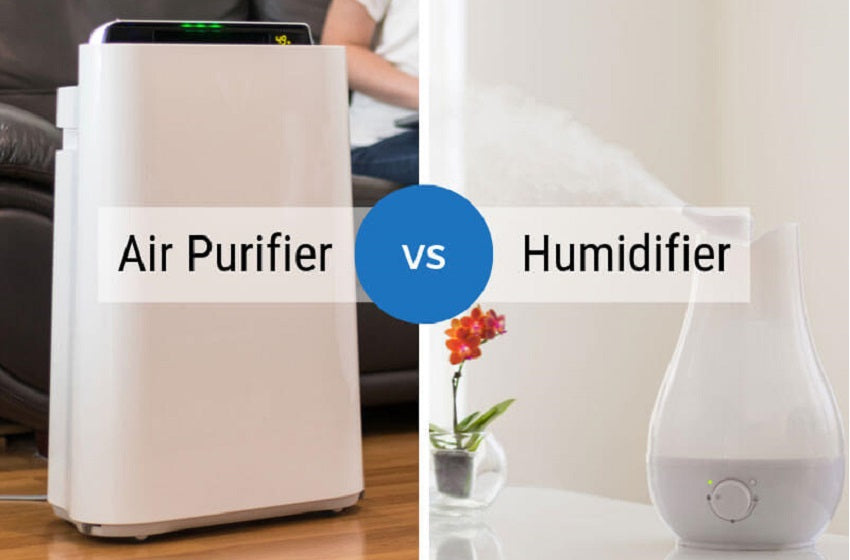
An air purifier cleans the air by removing dust, pollen, and smoke. It uses filters to trap harmful particles and allergens. A humidifier adds moisture to dry air, making breathing easier. It helps prevent dry skin, sore throats, and cracked lips.
Usage Scenarios
Use an air purifier in places with pollution or allergies. It benefits homes with pets, smokers, or mold issues. A humidifier works best in dry climates or heated rooms. It helps during winter when indoor air is dry and uncomfortable.
Maintenance Requirements
Air purifiers need regular filter changes to stay effective. Filters may require cleaning or replacement every few months. Humidifiers require frequent water refills and cleaning to avoid mold. Both devices need care to work safely and well.

Credit: airpurifiers.sg
Choosing The Right Device For Your Needs
Choosing the right device for your home depends on your specific air needs. Both air purifiers and humidifiers improve indoor air, but they serve different purposes. Picking the right one helps you breathe easier and feel more comfortable.
Assessing Indoor Air Quality
Check the air in your home. Is it dry or dusty? Dry air causes skin and throat irritation. Dusty air may trigger allergies or asthma. Testing air quality helps decide which device suits your space best.
Common Symptoms Indicating Need
Notice frequent sneezing, coughing, or dry skin? These signs suggest poor air quality. A humidifier adds moisture to dry air. An air purifier removes dust, pollen, and smoke. Match symptoms to the device that can help.
Combining Both Devices
Some homes need both cleaner and moister air. Using an air purifier with a humidifier balances air quality and comfort. This combo works well in dry, polluted places. It supports healthier breathing all year round.
Potential Risks And Considerations
Choosing between an air purifier and a humidifier means knowing their risks and limits. Both devices improve indoor air but can cause problems if used wrong. Understanding these risks helps you use them safely and effectively.
Over-humidification Issues
Humidifiers add moisture to the air. Too much moisture creates damp walls and mold. Mold can harm your health and damage your home. It also makes dust mites and bacteria grow faster. Use a hygrometer to keep humidity between 30% and 50%. Clean your humidifier often to stop germs.
Air Purifier Limitations
Air purifiers remove particles from the air. They cannot remove all harmful gases or chemicals. Some purifiers do not work well in large rooms. Filters need regular replacement to stay effective. They do not fix poor ventilation or remove odors fully. Choose the right purifier for your needs.
Energy Consumption And Noise Levels
Both devices use electricity. Running them all day can increase your energy bill. Some models make noise that disturbs sleep or work. Look for quiet and energy-efficient models. Turn them off when not needed to save power.
Credit: airdogusa.com
Frequently Asked Questions
What Is The Primary Function Of An Air Purifier?
An air purifier removes airborne particles like dust, pollen, and allergens. It improves indoor air quality by filtering pollutants and odors, making breathing easier and reducing allergy symptoms.
How Does A Humidifier Differ From An Air Purifier?
A humidifier adds moisture to the air to prevent dryness. In contrast, an air purifier cleans the air by trapping contaminants. Both serve different purposes for healthier indoor environments.
Can Air Purifiers And Humidifiers Be Used Together?
Yes, they can be used together. Air purifiers clean the air, while humidifiers maintain optimal humidity. Using both enhances air quality and comfort, especially in dry or polluted environments.
Which Device Is Better For Allergy Relief?
Air purifiers are generally better for allergy relief. They filter out allergens like pollen and pet dander. Humidifiers may help soothe irritated airways but don’t remove allergens.
Conclusion
Air purifiers clean the air by removing dust and allergens. Humidifiers add moisture to dry air, helping with breathing and skin. Both devices improve indoor air but serve different needs. Choose based on your health and comfort requirements. Understanding their roles helps you make a smart choice.
Fresh, clean air feels better every day. Simple steps can create a healthier home environment.
As an Amazon Associate, I earn from qualifying purchases.