Are you worried about mold lurking in your home and affecting your health? You might be wondering if an air purifier can really make a difference.
Mold spores float invisibly through the air, making it hard to keep your space safe and fresh. But what if there’s a simple way to reduce those harmful particles and breathe easier every day? Keep reading to discover how an air purifier works against mold and whether it’s the right solution for your home.
Your clean, healthy living space could be just a few steps away.

Credit: medifyair.com
How Mold Affects Indoor Air Quality
Mold affects indoor air quality in many ways. It releases tiny spores into the air. These spores can spread throughout your home. They make the air unhealthy to breathe. Many people do not see mold. But they can still breathe in its spores. This can cause problems for health and comfort.
Sources Of Mold Growth
Mold grows in damp and warm places. Bathrooms, basements, and kitchens are common spots. Leaks from pipes or roofs also cause mold. Poor ventilation helps mold grow faster. Mold can grow on walls, floors, and furniture. Any wet or damp surface can host mold. Mold spores spread easily through the air.
Health Risks Linked To Mold Exposure
Mold spores can cause allergic reactions. Sneezing, coughing, and itchy eyes are common symptoms. Some people get headaches or feel tired. Mold can trigger asthma attacks for some. Long-term exposure can lead to serious health issues. Children, elderly, and people with weak immunity suffer most. It is important to reduce mold in your home air.
Credit: rainbowrestores.com
Role Of Air Purifiers In Mold Control
Air purifiers play an important role in reducing mold spores in the air. Mold spores float freely and cause allergies and health problems. Air purifiers help trap these spores, making the air cleaner and safer to breathe.
They do not remove mold growing on surfaces but reduce airborne spores. This lowers the chance of mold spreading and helps protect your indoor air quality. Choosing the right air purifier can improve mold control in your home.
Types Of Air Purifiers Suitable For Mold
HEPA air purifiers are very effective against mold spores. HEPA filters capture tiny particles, including mold spores, with high efficiency. True HEPA filters trap at least 99.97% of particles as small as 0.3 microns.
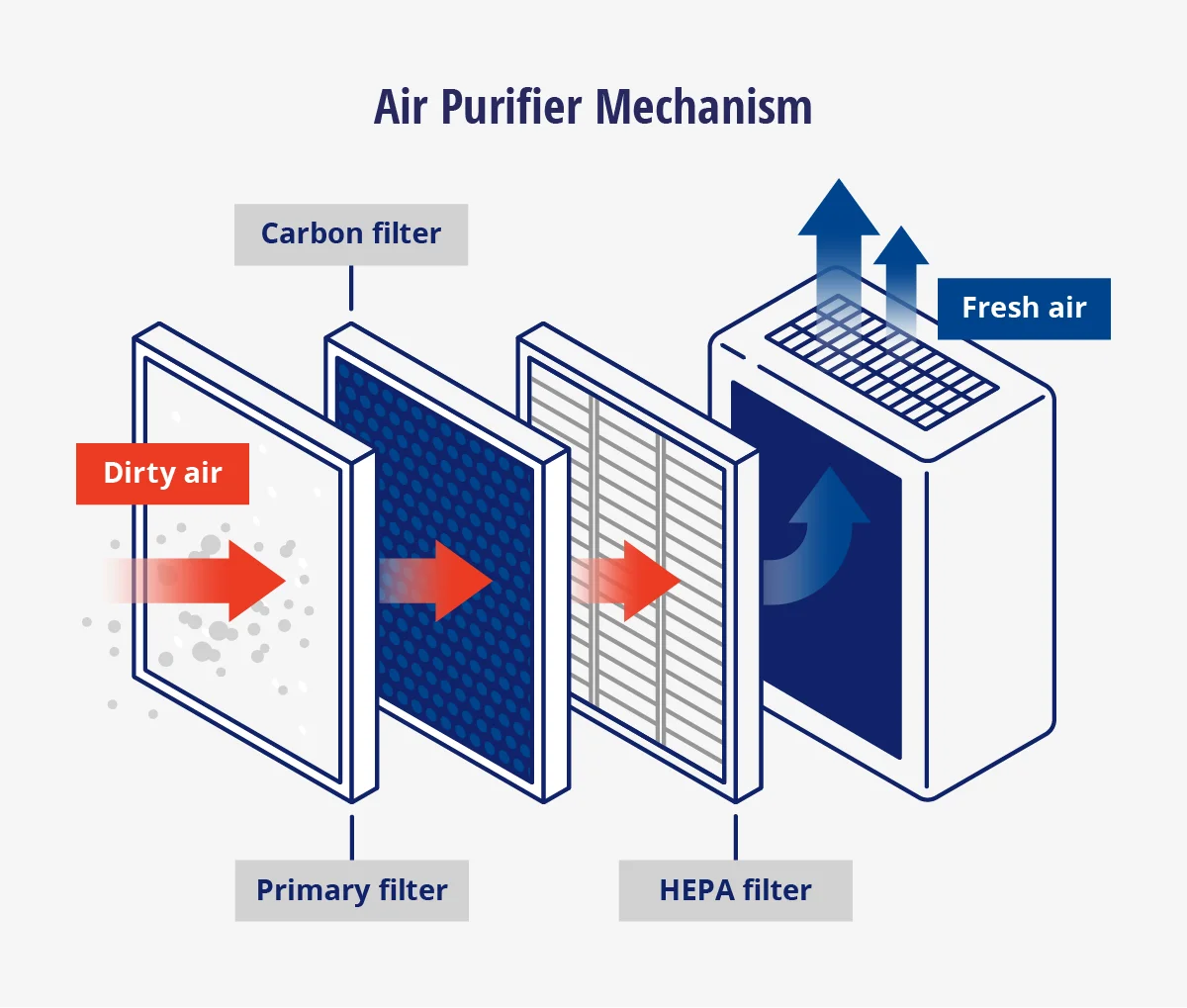
Activated carbon filters help remove mold odors and volatile organic compounds (VOCs). Some air purifiers combine HEPA and carbon filters for better results. UV air purifiers use ultraviolet light to kill mold spores, but their effectiveness varies.
Choosing a purifier with HEPA filtration is best for capturing mold spores in the air.
How Air Purifiers Capture Mold Spores
Air purifiers pull air through their filters using a fan. As air passes through, mold spores get trapped in the filter material. HEPA filters have dense fibers that catch small particles like mold spores.
Filters work like a net, stopping spores from circulating indoors. Carbon filters absorb odors and chemicals released by mold growth. Regular filter changes keep the purifier working well and maintain clean air.
Using an air purifier reduces mold spores, helping improve air quality and health.
Limitations Of Air Purifiers Against Mold
Air purifiers help reduce mold spores in the air but have clear limits. They cannot remove mold growing on walls, furniture, or other surfaces. Understanding these limits helps set the right expectations.
Air Purifiers Vs. Mold On Surfaces
Air purifiers filter tiny mold spores floating in the air. They do not clean mold stuck on surfaces. Mold on walls or ceilings needs physical removal. Wiping or using special cleaners is necessary to stop mold growth. Air purifiers cannot reach or kill mold patches.
When Air Purifiers Alone Are Not Enough
Air purifiers reduce airborne spores but do not fix mold causes. Moisture and leaks must be controlled to prevent mold. Without fixing water problems, mold will return. Combining air purifiers with cleaning and moisture control works best. Relying only on air purifiers leaves mold issues unresolved.

Credit: smartairfilters.com
Effective Mold Removal Strategies
Mold can cause health problems and damage to your home. Removing mold effectively needs several steps. Using an air purifier alone is not enough. Combine other strategies for better results. These methods help stop mold growth and clean your indoor air.
Proper Ventilation And Humidity Control
Good airflow reduces moisture in the air. Open windows and use exhaust fans in kitchens and bathrooms. Keep humidity below 60 percent. Use a hygrometer to measure humidity levels. Proper ventilation helps dry wet areas quickly. Mold needs moisture to grow, so controlling humidity is key.
Cleaning And Disinfecting Moldy Areas
Wear gloves and a mask before cleaning mold. Use soap and water to scrub small mold patches. For bigger problems, use a disinfectant or mold remover. Throw away porous materials like carpets and drywall if moldy. Cleaning stops mold spores from spreading. Dry the area completely after cleaning.
Using Dehumidifiers Alongside Air Purifiers
Dehumidifiers remove extra moisture from the air. This creates a less friendly place for mold. Use them in damp rooms or basements. Air purifiers catch mold spores floating in the air. Combine both for cleaner, drier air. This reduces mold growth and improves air quality.
Choosing The Right Air Purifier For Mold
Choosing the right air purifier for mold is important to keep your home safe. Mold spores can cause allergies and health problems. An effective air purifier removes these spores and improves air quality. Not all air purifiers work the same. Some are better at handling mold than others. Knowing what features and technology to choose helps you pick the best one for your needs.
Key Features To Look For
First, check for a True HEPA filter. It captures tiny mold spores from the air. A purifier with a high Clean Air Delivery Rate (CADR) cleans air faster. Look for models with an activated carbon filter. It helps remove mold odors and chemicals. Choose a purifier that fits your room size. Too small will not clean well. Quiet operation matters if you use it in bedrooms or offices. Easy filter replacement saves time and money.
Top Air Purifier Technologies For Mold
HEPA filters are the most common and effective for mold spores. They trap particles as small as 0.3 microns. Activated carbon filters absorb odors and harmful gases from mold. UV-C light technology kills mold spores by breaking their DNA. Ionizers release negative ions that make mold spores stick to surfaces. Some purifiers combine these technologies for better results. Pick one with proven mold-fighting technology for cleaner air.
Maintenance Tips For Mold Prevention
Keeping mold away is important for a healthy home. Air purifiers help, but regular care is key. Simple steps can stop mold from growing. These tips keep your air purifier working well and your indoor air fresh.
Regular Filter Replacement
Change the air purifier filter often. A dirty filter cannot trap mold spores properly. Check the filter every month. Replace it as the manufacturer suggests. Clean filters keep the air purifier effective.
Monitoring Indoor Moisture Levels
Mold grows in damp places. Use a hygrometer to watch indoor humidity. Keep humidity below 60%. Use a dehumidifier if moisture is high. Proper moisture control stops mold growth early.
Frequently Asked Questions
Can Air Purifiers Remove Mold Spores From The Air?
Yes, air purifiers with HEPA filters can capture mold spores effectively. They reduce airborne spores, improving indoor air quality and lowering allergy risks caused by mold.
Do Air Purifiers Kill Mold Or Just Trap Spores?
Air purifiers mainly trap mold spores; they don’t kill mold. To eliminate mold, address moisture and clean surfaces. Purifiers help prevent mold spread but don’t replace mold remediation.
Which Air Purifier Type Works Best For Mold?
HEPA air purifiers are best for mold spores. Some models also have activated carbon filters to reduce mold odors and VOCs, enhancing overall air quality.
Can Air Purifiers Prevent Mold Growth Indoors?
Air purifiers reduce airborne spores but don’t stop mold growth. Controlling humidity and fixing leaks are essential to prevent mold from developing in your home.
Conclusion
Air purifiers can help reduce mold spores in the air. They do not remove mold from surfaces. Keeping your home dry and clean stops mold growth. Use a purifier as part of a larger plan. Choose one with a HEPA filter for best results.
Regularly changing filters keeps the purifier working well. Remember, prevention is key to controlling mold problems. Air purifiers support healthier air but are not a full solution. Take simple steps to keep mold away for good.
As an Amazon Associate, I earn from qualifying purchases.