Are you confused about whether an air purifier and a humidifier are the same thing? You’re not alone.
Many people mix them up because both devices improve the air in your home. But using the wrong one for your needs can leave you feeling frustrated or even worsen your indoor air quality. You’ll discover the key differences between an air purifier and a humidifier.
Understanding these will help you choose the right device to keep your air fresh, clean, and comfortable. Keep reading—you’ll be surprised at how different they really are.
Air Purifier Basics
Understanding air purifiers helps clear up confusion about their role. These devices improve indoor air quality. They remove particles and pollutants from the air you breathe.
Air purifiers do not add moisture to the air. That is the job of humidifiers. Knowing the basics of air purifiers helps in choosing the right device for your needs.
How Air Purifiers Work
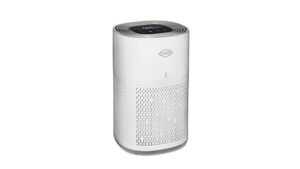
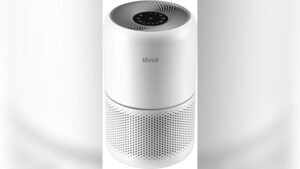
Air purifiers pull air into the machine using a fan. The air passes through filters that trap dust, pollen, smoke, and pet dander. Some use HEPA filters, known for capturing tiny particles.
Other purifiers use activated carbon filters to reduce odors and gases. Some models include UV light to kill bacteria and viruses. The cleaned air then flows back into the room.
Common Features
Most air purifiers come with adjustable fan speeds. This lets you control how fast the air is cleaned. Many have filter change indicators to remind you when to replace filters.
Some models include air quality sensors that adjust the purifier automatically. Quiet operation is common, making them suitable for bedrooms. Compact designs fit well in small spaces.
Humidifier Essentials
Humidifiers help add moisture to dry air. They improve comfort in homes, especially during winter. Dry air can cause dry skin, sore throats, and irritated sinuses. Using a humidifier keeps the air moist and easier to breathe.
Understanding how humidifiers work and the types available helps you choose the right one for your needs. This knowledge also clarifies how humidifiers differ from air purifiers.
How Humidifiers Operate
Humidifiers release water vapor or mist into the air. This raises the humidity level in a room. Some use warm steam, while others send out cool mist. The goal is to add moisture without making the room wet.
Most humidifiers have a water tank and a fan or heating element. The fan or heater turns water into vapor. Then, the vapor spreads through the room to increase humidity.
Types Of Humidifiers
There are several types of humidifiers. Cool mist humidifiers use a fan to blow air through a wet wick or filter. This adds cool moisture to the air. Warm mist humidifiers boil water to create steam. This steam cools slightly before leaving the machine.
Ultrasonic humidifiers use vibrations to create a fine mist. These are quiet and energy-efficient. Evaporative humidifiers rely on natural evaporation from a wet wick. Each type has its benefits depending on room size and personal preference.
Main Differences
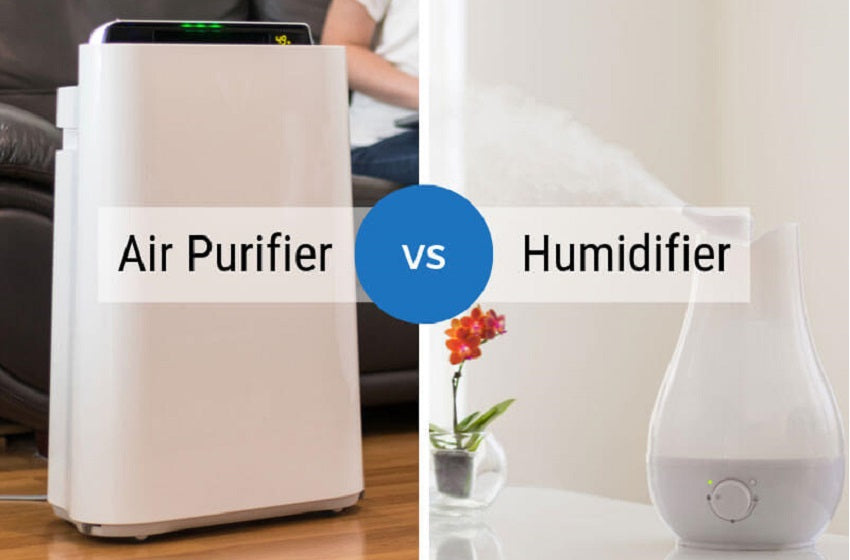
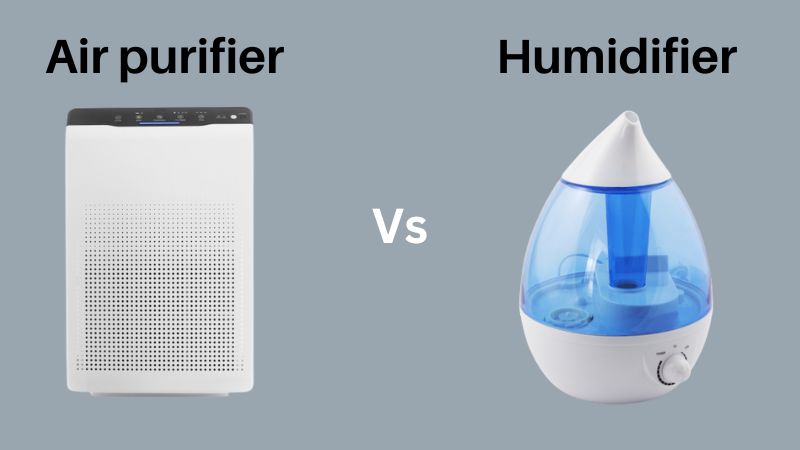
Air purifiers and humidifiers serve different roles in your home. Both improve indoor air but in unique ways. Understanding their main differences helps you choose the right device for your needs.
Purpose And Function
An air purifier cleans the air by removing dust, pollen, and smoke. It uses filters to trap harmful particles. Some models also remove odors and germs.
A humidifier adds moisture to the air. It helps prevent dryness that can cause irritation. This device releases water vapor or mist to raise humidity levels.
Impact On Air Quality
Air purifiers improve air quality by reducing pollutants. Cleaner air can ease allergies and breathing problems.
Humidifiers improve comfort by keeping air moist. They do not remove particles but prevent dry air issues. Proper humidity can protect skin and reduce cold symptoms.
When To Use Each
Knowing when to use an air purifier or a humidifier helps improve your indoor air quality. Each device serves a different purpose. Using the right one can make your home healthier and more comfortable.
Ideal Conditions For Air Purifiers
Air purifiers work best in places with dust, pollen, pet dander, or smoke. They remove tiny particles from the air. People with allergies or asthma find them very helpful. Use an air purifier in rooms that feel dusty or have poor air flow. It is also useful during allergy seasons or in cities with high pollution levels.
Best Scenarios For Humidifiers
Humidifiers add moisture to dry air. They work well in winter or in dry climates. Dry air can cause dry skin, irritated eyes, and sore throats. Humidifiers help relieve these symptoms by increasing humidity. Use them in bedrooms or living rooms to keep the air comfortable. They also help prevent wood furniture from cracking due to dryness.
Health Benefits
Health plays a big role in choosing between an air purifier and a humidifier. Both devices improve your living space but in different ways. Understanding their health benefits helps you decide which one fits your needs better.
Air Purifier Advantages
Air purifiers remove dust, pollen, and pet dander from the air. This helps people with allergies breathe easier. They also capture smoke and harmful particles that cause lung problems.
Clean air lowers the risk of respiratory infections. It can reduce asthma attacks and coughing. Many air purifiers also remove bad odors, making your home smell fresher.
Humidifier Advantages
Humidifiers add moisture to dry air. This helps prevent dry skin and chapped lips. They also soothe irritated throats and dry noses.
Humid air can stop nosebleeds and reduce snoring. It keeps the lining of your airways moist, which helps fight colds and flu. Humidifiers are great for comfort during winter months.
Credit: www.cleanairoptima.com
Potential Risks
Both air purifiers and humidifiers serve important roles in indoor air quality. Yet, each device carries potential risks. Knowing these risks helps you use them safely and effectively. Here are some key concerns to keep in mind.
Air Purifier Concerns
Air purifiers filter dust, pollen, and smoke from the air. Some models use ozone, which can irritate the lungs. Ozone exposure may worsen asthma and allergies. Filters need regular cleaning or replacement. Dirty filters can spread bacteria or mold. Noise levels vary; loud purifiers may disturb sleep. Poorly maintained purifiers may not remove harmful particles well.
Humidifier Concerns
Humidifiers add moisture to dry air. Too much humidity encourages mold and dust mites. Mold spores can cause allergies and respiratory problems. Using tap water may release minerals into the air. These minerals create white dust and affect air quality. Regular cleaning is essential to prevent bacteria growth. Some humidifiers can leak or cause water damage if not checked.
Combining Both Devices
Combining an air purifier and a humidifier can improve your home’s air quality and comfort. Each device serves a different purpose but together, they create a healthier space. An air purifier removes dust, pollen, and allergens. A humidifier adds moisture to dry air. Using both helps reduce breathing problems and dry skin.
Can They Work Together?
Yes, these devices can work well in the same room. The air purifier cleans the air first, removing harmful particles. Then, the humidifier adds moisture. This order helps keep the air fresh and prevents dryness. Both devices should be placed apart to avoid interference. Running them together can help improve sleep and ease allergy symptoms.
Choosing Dual-function Devices
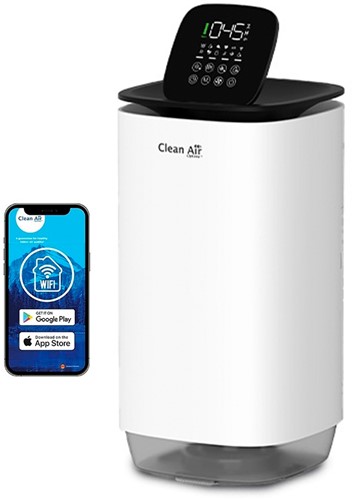
Some products combine air purifying and humidifying in one unit. These dual-function devices save space and are easy to use. They often include filters and water tanks in one design. Choose a model with good reviews and simple controls. Make sure it fits your room size and needs. These devices can be cost-effective and convenient for small spaces.
Credit: airdogusa.com
Credit: airdogusa.com
Frequently Asked Questions
What Is The Main Difference Between Air Purifiers And Humidifiers?
Air purifiers clean the air by removing pollutants and allergens. Humidifiers add moisture to the air to prevent dryness. They serve different purposes for improving indoor air quality and comfort.
Can Air Purifiers Also Humidify The Air?
No, air purifiers do not add moisture. Their primary function is filtering airborne particles. Humidifiers are designed specifically to increase humidity levels in a room.
Which Device Is Better For Allergy Relief?
Air purifiers are better for allergy relief. They remove dust, pollen, and pet dander. Humidifiers help soothe dry air but do not remove allergens.
Can Humidifiers Improve Respiratory Health?
Yes, humidifiers help by maintaining optimal humidity. They relieve dry throat, nose, and skin. Proper humidity reduces irritation and supports easier breathing.
Conclusion
Air purifiers and humidifiers serve different purposes. Air purifiers clean the air by removing dust and allergens. Humidifiers add moisture to dry air to help breathing. Choosing the right device depends on your needs. Both can improve indoor air quality in their own ways.
Understanding their differences helps you make a smart choice. Keep your home healthy and comfortable with the right device. Simple steps lead to better air and better health.
As an Amazon Associate, I earn from qualifying purchases.