Are you tired of unpleasant smells lingering in your home no matter how much you clean? You might be wondering if an air purifier can actually help with those stubborn odors.
Imagine breathing in fresh, clean air every time you walk into a room. This isn’t just a dream—it could be your reality. You’ll discover how air purifiers work, whether they really remove smells, and what to look for when choosing one.
Keep reading to find out if an air purifier is the solution you’ve been searching for to make your space smell fresh and inviting.

Credit: www.youtube.com
How Air Purifiers Tackle Odors
Air purifiers do more than just clean the air. They also help reduce bad smells in your home. These devices use different methods to trap and neutralize odors. Understanding how they work can help you choose the right purifier for your needs.
Types Of Odors Removed
Air purifiers can remove many common smells. These include cooking odors, pet smells, smoke, and musty scents. Some models also reduce chemical smells from cleaners or paints. Not all purifiers handle every odor well. Choosing one depends on the type of smell you want to reduce.
Technology Behind Odor Removal
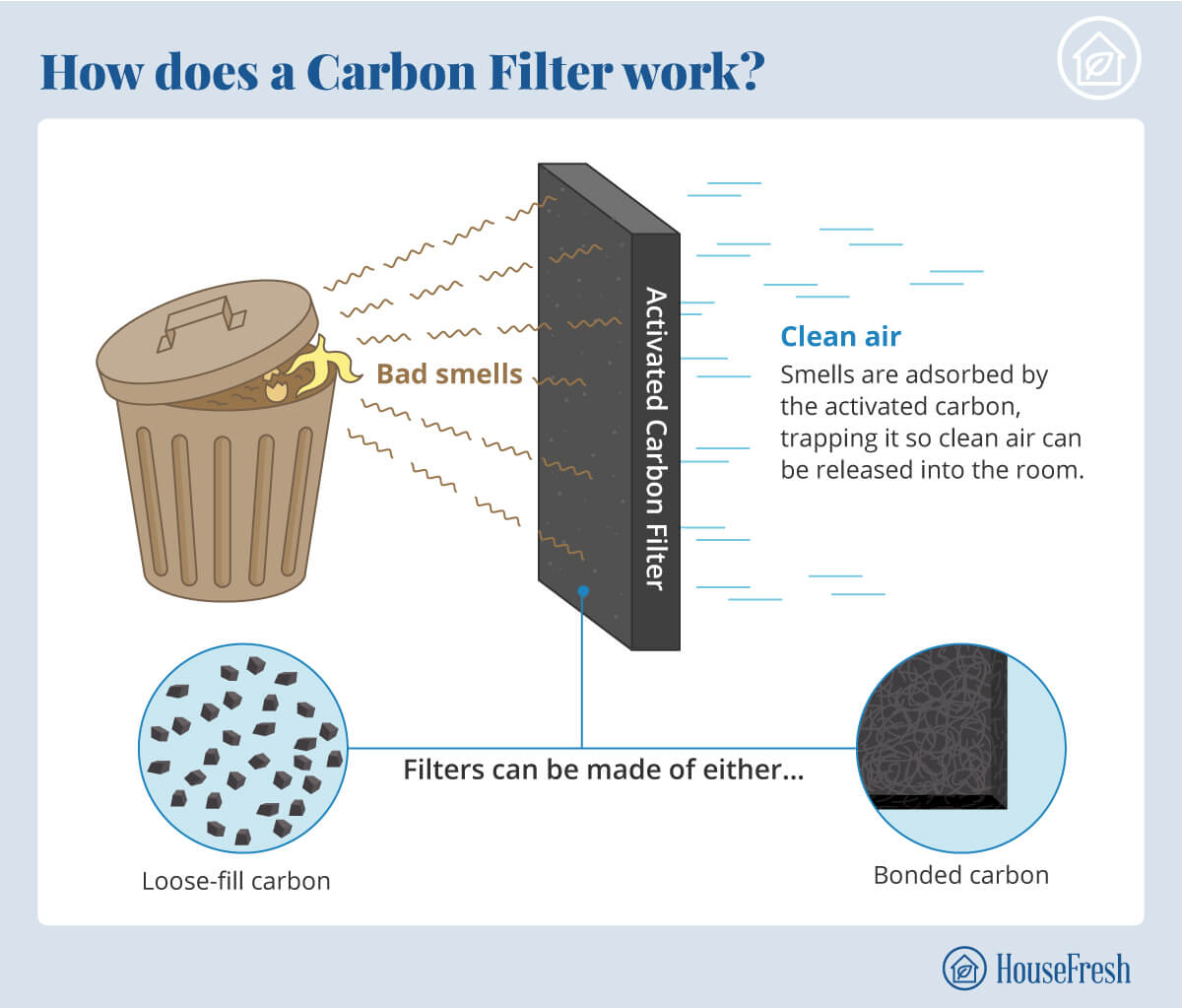
Most air purifiers use activated carbon filters to fight odors. These filters have tiny pores that trap odor molecules. Some purifiers use photocatalytic oxidation, which breaks down odors using light. Others combine HEPA filters with carbon for better air cleaning. The technology affects how well the purifier removes smells.
Limitations Of Air Purifiers
Air purifiers cannot remove all odors completely. Strong or very old smells may linger. They work best with regular use and proper maintenance. Filters need to be changed often to stay effective. Some odors come from surfaces, which purifiers cannot clean. Removing the source of the smell is important too.

Credit: alen.com
Choosing The Right Air Purifier For Smells
Choosing the right air purifier for smells is important for a fresh home. Not all air purifiers handle odors the same way. Some are better at removing dust and allergens. Others focus on neutralizing smells.
Picking the right one depends on the type of odor and the room size. Also, consider how much noise the device makes and how easy it is to maintain. These factors affect how well the purifier works and how often you need to care for it.
Hepa Filters Vs Activated Carbon Filters
HEPA filters catch small particles like dust and pollen. They do not remove odors well. Activated carbon filters are best for smells. They trap gases and chemicals that cause odors. Many purifiers combine both filters for better air quality.
Room Size And Air Purifier Capacity
Air purifiers have a recommended room size. Use a purifier that matches your room’s area. Too small a purifier will not clean the air well. Too large can waste energy. Check the purifier’s capacity before buying.
Noise Levels And Maintenance
Some purifiers make loud sounds, which can be annoying. Choose a quiet model for bedrooms or offices. Regular maintenance is key. Clean or replace filters as instructed. This keeps the purifier working well and removes smells effectively.
Common Sources Of Indoor Odors
Indoor odors come from many common sources. These smells can affect your comfort and the air quality in your home. Knowing what causes these odors helps to manage and reduce them effectively.
Cooking And Food Smells
Cooking produces strong smells that linger in the air. Frying, boiling, and baking release odors from spices, oils, and ingredients. Some smells, like garlic or fish, can stay for hours or days. These odors often spread through the kitchen and nearby rooms.
Pet Odors
Pets bring joy but can also cause odors. Their fur, dander, and waste create smells inside the house. Wet pets or unclean litter boxes add to the problem. These odors can become more noticeable in small or poorly ventilated spaces.
Mold And Mildew
Mold and mildew grow in damp, dark places. Bathrooms, basements, and leaks are common spots. These fungi cause a musty smell that signals moisture problems. Mold odors can affect health and damage walls or furniture.
Chemical And Smoke Odors
Cleaning products, paints, and smoke produce harsh smells. Chemicals can linger after use or spills. Cigarette smoke penetrates fabrics and walls, leaving a strong odor. These smells often reduce indoor air quality and comfort.
Supplementary Odor Removal Tips
Air purifiers help reduce smells but may not remove all odors completely. Using extra methods improves the air quality and freshness in your home. These supplementary tips work well with air purifiers to fight bad smells effectively.
Ventilation And Airflow
Open windows and doors to let fresh air in. Good airflow helps push out bad smells. Use fans to keep air moving inside rooms. Ventilation lowers humidity and stops odors from building up. Fresh air keeps your home smelling clean and natural.
Regular Cleaning Habits
Clean your home often to stop smells from staying. Take out trash regularly and wash garbage bins. Vacuum carpets and mop floors to remove dust and dirt. Wash fabrics like curtains and cushions that hold smells. Clean pet areas to reduce animal odors.
Natural Odor Absorbers
Baking soda absorbs bad smells in rooms and refrigerators. Place bowls of vinegar in smelly areas to neutralize odors. Charcoal bags soak up moisture and freshen the air. These natural options are safe and easy to use around the house.
Using Essential Oils And Deodorizers
Essential oils add pleasant scents and mask bad odors. Use a diffuser to spread oils like lavender or lemon. Air deodorizers can quickly freshen rooms when needed. Choose mild scents to avoid overwhelming your senses.
When Air Purifiers Aren’t Enough
Air purifiers can reduce many odors but do not solve every smell problem. Some smells come from deep inside walls, furniture, or floors. These odors stay even after air purification.
Persistent smells need stronger action. This section shows what to do when air purifiers are not enough. Simple steps can help remove tough odors for good.
Deep Cleaning Strategies
Deep cleaning removes odor sources that air purifiers miss. Clean carpets, curtains, and furniture well. Use baking soda or special cleaning products to absorb smells. Wash walls and floors regularly. This helps stop smells from spreading in your home.
Professional Odor Removal Services
Sometimes, professional help is needed. Experts use tools and chemicals that remove odors deeply. They find hidden sources in vents, floors, or ceilings. Services include ozone treatment or fogging to clear bad smells. Professionals restore fresh air when home methods fail.
Addressing Mold And Structural Issues
Mold causes strong, musty odors that air purifiers cannot fix. Check for leaks or damp areas in your home. Mold grows where moisture stays. Fix leaks and dry wet areas fast. Repair walls or floors with mold damage. Removing mold stops the smell and protects your health.
Credit: housefresh.com
Frequently Asked Questions
Does An Air Purifier Remove Bad Smells Completely?
Air purifiers reduce bad smells by filtering odor-causing particles. However, they may not remove strong or persistent odors fully. Using activated carbon filters enhances odor removal effectively.
How Effective Are Air Purifiers Against Pet Odors?
Air purifiers with HEPA and carbon filters can significantly reduce pet odors. They trap dander and neutralize smells, improving indoor air quality for pet owners.
Can Air Purifiers Eliminate Cooking Smells?
Yes, air purifiers with activated carbon filters help reduce cooking smells. They absorb smoke and grease particles, making the kitchen air fresher and cleaner.
Do Air Purifiers Help With Smoke Smell In Rooms?
Air purifiers reduce smoke smell by capturing fine smoke particles and odors. Models with carbon filters are especially effective for smoke odor removal.
Conclusion
Air purifiers can reduce many common household smells effectively. They trap odor particles and freshen the air. Some models work better for strong smells like smoke or cooking odors. Keep in mind, air purifiers do not remove the source of the smell.
Regular cleaning and good ventilation remain important. Choose an air purifier with a HEPA filter for best results. This simple device helps create a fresher, more pleasant home environment. It’s a helpful tool but not a complete solution on its own.
As an Amazon Associate, I earn from qualifying purchases.