Are you worried about mold lurking in your home? Mold can cause health problems and damage your living space, but you might be wondering if an air purifier can actually help.
If you’ve been searching for a simple way to reduce mold spores in the air, this article is for you. By the end, you’ll understand how air purifiers work against mold and whether they’re the right solution for your home.
Keep reading to discover what really makes a difference in keeping your air clean and safe.

Credit: smartairfilters.com
How Mold Affects Indoor Air
Mold can change the quality of indoor air in many ways. It releases tiny spores that float in the air. These spores may cause problems for people living inside the home. Mold grows in damp and dark places, spreading quickly if not controlled.
The presence of mold affects how fresh and clean the air feels. It can make the air smell musty or stale. Breathing in mold spores can cause health issues, especially for sensitive people. Understanding how mold affects indoor air helps in taking the right steps to keep your home safe.
Common Mold Types Indoors
Several types of mold grow inside houses. Cladosporium is one common type found on wood and fabrics. Aspergillus often grows on damp walls and ceilings. Stachybotrys, also known as black mold, appears on wet surfaces. Each type releases spores that pollute indoor air.
Health Risks Linked To Mold Exposure
Breathing mold spores can cause allergies. Symptoms include sneezing, coughing, and itchy eyes. Some people may have asthma attacks triggered by mold. Long exposure can lead to serious lung problems. Children, elderly, and those with weak immunity face higher risks.
Signs Of Mold Presence
Look for visible mold patches on walls or ceilings. Musty or damp smells often mean mold is growing. Water stains or discoloration can signal hidden mold. Frequent allergy-like symptoms indoors may indicate mold spores. Detecting mold early helps protect your health and home.
Air Purifiers And Mold Spores
Mold spores float in the air and cause health problems. These tiny particles can trigger allergies and breathing issues. Air purifiers can help reduce the number of mold spores in the air. But not all air purifiers work the same way. Understanding how they handle mold spores is important for better indoor air quality.
Types Of Air Purifiers For Mold
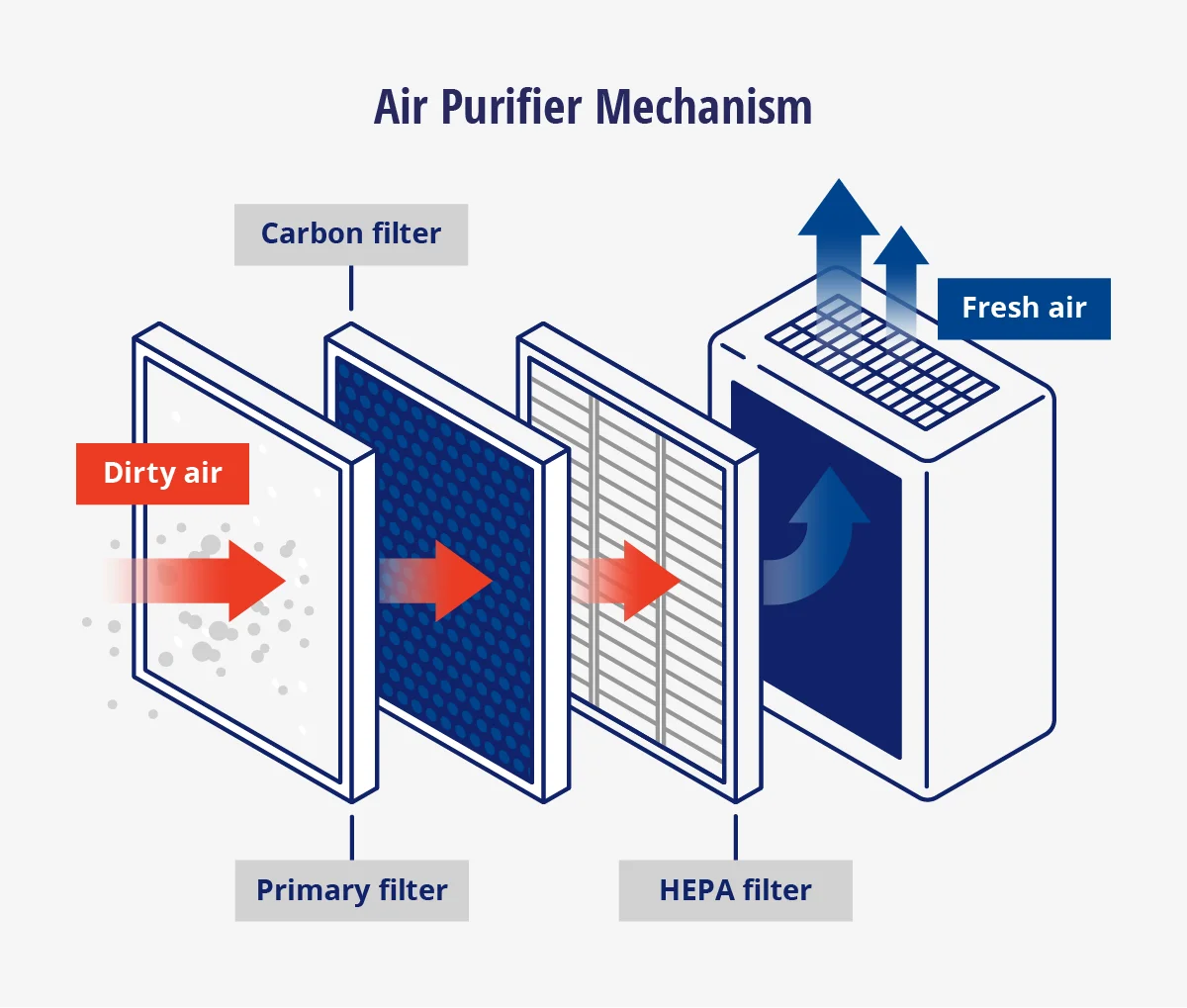
Air purifiers use different technologies to clean the air. Some use filters to trap particles. Others use UV light or ionizers to kill or capture spores. The most common types for mold include HEPA filters, activated carbon filters, and UV purifiers. Each type targets mold spores differently.
Hepa Filters And Their Role
HEPA filters capture tiny particles, including mold spores. They trap at least 99.97% of particles larger than 0.3 microns. Mold spores are usually larger than this size. HEPA filters remove spores from the air, reducing exposure. They do not kill mold but stop spores from circulating.
Limitations In Removing Mold
Air purifiers cannot remove mold growing on surfaces. Spores in the air are only part of the problem. Mold hidden in walls or floors remains untreated. Air purifiers also need regular filter changes to work well. Without cleaning the source, mold may continue to grow and release spores.
Additional Mold Control Methods
Air purifiers can reduce mold spores in the air. Yet, they cannot solve mold problems alone. Other methods help control mold better. These methods focus on stopping mold growth at its source. Follow these steps to keep your home mold-free and safe.
Moisture Control Techniques
Mold grows in damp places. Control moisture to stop mold growth. Fix leaks in pipes, roofs, and walls quickly. Use a dehumidifier to lower indoor humidity below 50%. Dry wet areas within 24 hours. Avoid leaving wet clothes or towels inside. Proper moisture control reduces mold risk effectively.
Ventilation Improvements
Good air flow helps prevent mold. Open windows and doors to air out rooms. Use exhaust fans in kitchens and bathrooms. Vent clothes dryers outside the house. Keep air moving to dry damp areas fast. Proper ventilation lowers moisture and stops mold from growing.
Cleaning And Mold Removal Tips
Clean mold spots immediately to prevent spreading. Use soap and water or a mix of bleach and water (1 cup bleach per gallon). Wear gloves and a mask to protect yourself. Scrub surfaces gently and dry them well after cleaning. Throw away moldy materials that cannot be cleaned. Regular cleaning keeps mold under control and protects your health.
Choosing The Right Air Purifier
Choosing the right air purifier is key to reducing mold spores in your home. Not all air purifiers work the same. Some are better at trapping tiny particles like mold. Picking one with the right features and size helps keep your air clean and healthy.
Key Features To Consider
Look for air purifiers with HEPA filters. They catch small mold spores effectively. Activated carbon filters help remove odors from mold. Check if the purifier has a UV light. It can kill mold spores in the air. Quiet operation is important for daily use. Adjustable fan speeds allow control over air cleaning power.
Sizing For Effective Coverage
Choose a purifier that fits your room size. Check the Clean Air Delivery Rate (CADR) for mold. Higher CADR means better air cleaning. A small purifier in a large room won’t work well. Measure your room before buying. Use a purifier that covers the entire area.
Maintenance And Filter Replacement
Regular filter changes keep the purifier working well. Dirty filters let mold spores back into the air. Follow the manufacturer’s guide for filter replacement. Some purifiers have indicator lights for filter changes. Clean the purifier parts as recommended. Proper care extends the purifier’s life and keeps air fresh.
Real-life Results And User Experiences
Many people wonder if air purifiers really help with mold problems. Real-life experiences provide clear insights. Users share what worked and what did not. Their stories help others decide on air purifiers for mold issues.
Success Stories
Several users report noticeable air quality improvements after using air purifiers. They say mold smells reduced quickly. Some noticed fewer allergy symptoms like sneezing and itchy eyes. People with asthma found breathing easier. Many praised air purifiers with HEPA filters for trapping mold spores effectively.
One user described how an air purifier helped stop mold from spreading in a damp basement. Another mentioned clear air in a bedroom after months of mold problems. These stories show air purifiers can support mold control.
Common Challenges
Air purifiers are not a full solution for mold growth. Some users found no change in visible mold patches. Mold on walls and furniture requires cleaning and fixing leaks. Air purifiers work best in sealed rooms without strong airflow. Some devices need frequent filter changes for best results.
Another issue is that air purifiers vary in power and coverage area. Small purifiers might not help large rooms. Some users felt frustrated when mold problems continued despite using an air purifier. This shows that air purifiers alone cannot replace proper mold removal.
Expert Recommendations
Experts suggest using air purifiers with true HEPA filters to catch mold spores. They recommend combining purifiers with good ventilation and moisture control. Fix leaks and dry damp areas quickly. Regular cleaning of filters keeps purifiers working well.
Professionals advise checking purifier size for room dimensions. They warn against relying only on purifiers for mold removal. Air purifiers help reduce airborne spores but cannot remove mold on surfaces. Use air purifiers as part of a larger mold management plan.
Credit: rainbowrestores.com

Credit: medifyair.com
Frequently Asked Questions
Can An Air Purifier Remove Mold Spores Effectively?
Yes, air purifiers with HEPA filters can capture mold spores. They reduce airborne mold but don’t eliminate mold growth on surfaces.
Which Air Purifier Is Best For Mold Allergies?
Choose an air purifier with a true HEPA filter and activated carbon. This combo traps mold spores and neutralizes odors.
Can Air Purifiers Prevent Mold Growth In Homes?
Air purifiers improve air quality but don’t stop mold growth. Controlling moisture and humidity is essential to prevent mold.
How Often Should Air Purifier Filters Be Replaced For Mold?
Replace filters every 3 to 6 months or as manufacturer suggests. Regular replacement ensures effective mold spore removal.
Conclusion
An air purifier can reduce mold spores in the air. It helps improve indoor air quality. Still, it does not remove mold from surfaces. Cleaning and fixing moisture problems are key steps. Use an air purifier as a helpful tool, not the only solution.
Breathing cleaner air feels better and supports health. Choose the right purifier with a HEPA filter. Keep your home dry and well-ventilated for best results. Small changes make a big difference in mold control.
As an Amazon Associate, I earn from qualifying purchases.