Are you wondering if air purifiers can be bought using your Flexible Spending Account (FSA)? You’re not alone.
Many people want cleaner air at home but aren’t sure if their FSA covers the cost. Knowing whether you can use your FSA for an air purifier could save you money and improve your health. Keep reading to find out exactly what qualifies and how you can make the most of your benefits.
Air Purifiers And Fsa Basics
Understanding the basics of air purifiers and Flexible Spending Accounts (FSA) helps you make smart health choices. FSAs allow you to save money on medical expenses by using pre-tax dollars. Knowing which items qualify can save you money.
This section explains what an FSA is, common eligible items, and how air purifiers work. It helps clarify if air purifiers can be purchased with FSA funds.
What Is An Fsa
A Flexible Spending Account (FSA) is a special savings account. You put money in before taxes are taken out. This lowers your taxable income. You can spend FSA money on health-related products and services.
Employers often offer FSAs as part of benefits. You use the money to pay for medical costs. You must use the funds within the plan year or lose them.
Common Fsa Eligible Items
FSAs cover many medical supplies and treatments. Typical items include bandages, crutches, and prescription medications. Some over-the-counter medicines are eligible with a doctor’s note.
Medical devices like blood pressure monitors and glucose test kits also qualify. Eligibility depends on whether the item treats a medical condition. Not all health products are covered.
How Air Purifiers Work
Air purifiers clean the air in your home or office. They remove dust, pollen, smoke, and other particles. Some models use filters, while others use ionizers or UV light.
These devices improve indoor air quality. Cleaner air helps people with allergies or asthma breathe easier. Air purifiers do not cure diseases but reduce irritants in the air.
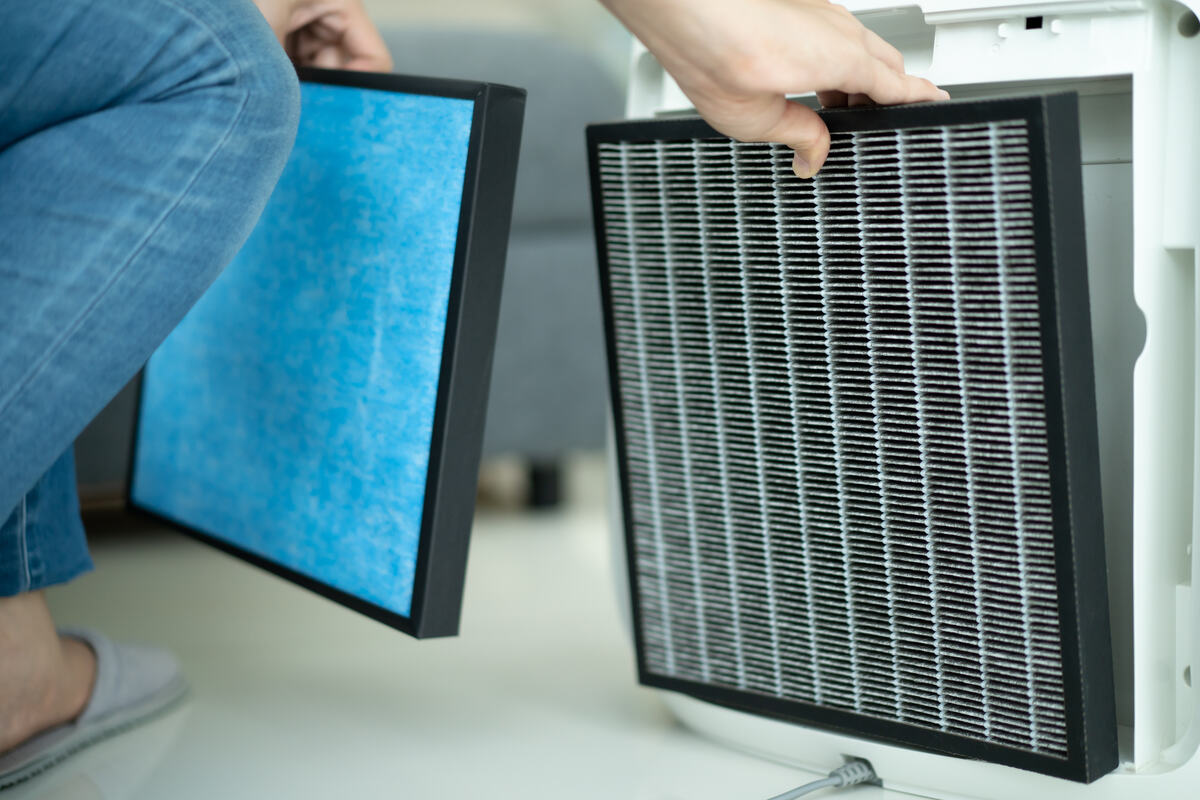
Credit: www.discountfilters.com
Fsa Eligibility Criteria
Understanding the FSA eligibility criteria is key to knowing if air purifiers qualify. These criteria set clear rules about what medical items you can buy with FSA funds. The goal is to help with health-related expenses only. Not all products are covered. Air purifiers might be, but only under certain conditions.
Medical Necessity Requirements
FSA rules require a product to be medically necessary. This means the item must treat or prevent a medical condition. An air purifier must help with allergies, asthma, or other breathing problems. General use or comfort does not count. The purifier needs to show clear health benefits.
Doctor’s Prescription Role
A doctor’s prescription often makes a difference. It shows the air purifier is needed for health reasons. Without a prescription, FSA administrators may reject the claim. The prescription should explain why the purifier is essential. Keep this document for your FSA claims.
Fsa Guidelines On Air Purifiers
FSA guidelines list approved medical expenses. Air purifiers are not always on the list. Some FSAs allow them if prescribed. Others require extra proof of medical need. Check your specific FSA plan details. Always save receipts and doctor notes for your records.
When Air Purifiers Qualify
Air purifiers can be eligible for FSA (Flexible Spending Account) reimbursement, but only under certain conditions. Understanding when they qualify helps you decide if you can use your FSA funds for one. Eligibility depends on health needs and proper documentation.
Health Conditions That Apply
Air purifiers usually qualify if a doctor prescribes them for specific health issues. Common conditions include asthma, allergies, and chronic respiratory problems. The purifier must help reduce symptoms or improve air quality for these illnesses. General use for fresh air or odor removal does not qualify.
Documentation Needed
To use your FSA for an air purifier, you need a doctor’s note or prescription. This document should state the medical reason and how the purifier helps your condition. Keep receipts and product information to submit with your FSA claim. Proper paperwork ensures smooth reimbursement.
Examples Of Eligible Air Purifiers
Not all air purifiers qualify for FSA use. Models with HEPA filters or those designed to remove allergens and dust are often eligible. Some purifiers target mold spores or pet dander, which can also qualify. Check product details and consult your doctor before buying.
How To Use Fsa For Air Purifiers
Using your Flexible Spending Account (FSA) for air purifiers can help reduce allergy and asthma symptoms. Knowing how to use your FSA benefits properly makes the process easier. This section guides you through buying, claiming, and common issues you might face.
Purchasing Process
First, check if your air purifier is FSA eligible. Ask your FSA provider or read product details. Buy the purifier from stores that accept FSA cards. Use your FSA debit card to pay directly. Keep the receipt as proof of purchase.
Submitting Claims
If you cannot use an FSA card, pay with your own money. Then, submit a claim to your FSA provider. Fill out the claim form with correct details. Attach the receipt and a doctor’s note if required. Wait for approval and reimbursement.
Common Reimbursement Challenges
Claims may get denied for missing documents. Not all air purifiers qualify under every FSA plan. Some need a letter from your doctor. Keep all paperwork organized to avoid delays. Contact your FSA provider for help if denied.
Alternatives To Fsa For Air Purifier Costs
Air purifiers can improve indoor air quality and health. Many wonder if these devices qualify for Flexible Spending Account (FSA) use. When they do not, it helps to know other ways to cover the cost. Several alternatives exist to help manage expenses on air purifiers.
Health Savings Accounts (hsa)
Health Savings Accounts let you save money tax-free for health expenses. Unlike FSAs, HSAs usually have fewer restrictions. If your air purifier is medically necessary, some HSAs may allow its purchase. Check your HSA plan details to confirm eligibility.
Flexible Spending Accounts (fsa) Vs. Hsa
FSAs and HSAs both offer tax advantages for medical costs. FSAs have a use-it-or-lose-it rule each year. HSAs roll over funds and can grow over time. HSAs require a high-deductible health plan. FSAs do not. Both accounts differ in flexibility and eligibility rules.
Other Financial Assistance Options
Some local or state programs provide help for health devices. Nonprofit groups might offer grants for air purifiers. Retailers sometimes run discounts or payment plans. Compare all options to find the best way to pay.

Credit: www.rabbitair.com
Tips For Maximizing Your Fsa Benefits
Maximizing your FSA benefits can help you save money on air purifiers. Knowing how to use your funds wisely makes a big difference. Follow these tips to get the most value from your Flexible Spending Account.
Choosing The Right Air Purifier
Select an air purifier that qualifies under FSA rules. Check if it treats a specific medical condition. Look for models with proper documentation or a doctor’s note. This helps ensure your purchase is eligible for reimbursement.
Keeping Proper Records
Save all receipts and product information carefully. Keep any doctor’s recommendations or prescriptions. These records are necessary to prove your purchase is valid. Organize your paperwork to avoid issues during claims.
Timing Your Purchase
Buy your air purifier within the FSA plan year. Spending early in the year can help spread out expenses. Confirm your plan’s deadlines for submitting claims. This prevents losing your FSA funds at year-end.

Credit: airdogusa.com
Frequently Asked Questions
Are Air Purifiers Eligible For Fsa Reimbursement?
Air purifiers are generally not eligible for FSA reimbursement. Only medically necessary devices prescribed by a doctor qualify. Check with your FSA administrator for specific rules and required documentation before purchase.
Can I Use Fsa Funds To Buy An Air Purifier?
FSA funds typically cannot be used for standard air purifiers. Exceptions apply if prescribed for a medical condition like allergies or asthma. Always confirm with your FSA provider to avoid denied claims.
What Documentation Is Needed For Fsa Air Purifier Claims?
A doctor’s prescription or letter of medical necessity is required. This proves the air purifier is essential for your health. Submit this with your FSA claim to increase approval chances.
Do All Types Of Air Purifiers Qualify For Fsa?
Not all air purifiers qualify for FSA reimbursement. Only those medically prescribed for specific conditions may qualify. Verify eligibility details with your FSA plan before purchasing.
Conclusion
Air purifiers can sometimes be FSA eligible if prescribed by a doctor. This depends on your specific health needs and FSA rules. Not all air purifiers qualify, so check carefully before buying. Keep your doctor’s note and receipts for reimbursement.
Understanding FSA eligibility helps you save money on health-related items. Always review your FSA plan details to avoid surprises. Clean air supports better breathing and overall health. Choosing the right purifier can improve your home environment. Stay informed to make smart health and financial choices.
As an Amazon Associate, I earn from qualifying purchases.