Are you confused about whether you need a humidifier or a dehumidifier for your home? Both devices affect the air you breathe, but they work in very different ways.
Understanding the key differences can help you create a more comfortable and healthy living space. You’ll discover exactly how each machine works, when to use them, and which one is right for your needs. Keep reading to clear up the confusion and take control of your indoor air quality today!
Credit: performanceac.com
Humidifier Basics
Humidifiers help add moisture to the air. They make dry rooms feel comfortable. Dry air can cause dry skin, sore throats, and cracked lips. Using a humidifier can reduce these problems. It keeps the air balanced, especially during winter or in dry climates.
Understanding how humidifiers work can help you choose the right one for your needs. Let’s explore the basics.
Purpose And Function
A humidifier’s main job is to increase indoor humidity. It releases water vapor or mist into the air. This added moisture helps prevent dryness. It can ease breathing and soothe irritated skin. Humidifiers create a healthier and more comfortable space.
Types Of Humidifiers
There are several types of humidifiers. Ultrasonic models use vibrations to create mist. Evaporative humidifiers use a fan to blow air through a wet wick. Steam vaporizers heat water to make steam. Each type suits different needs and room sizes.
Common Uses
People use humidifiers for many reasons. They help with cold and flu relief. Humidifiers reduce allergy symptoms and dry skin. They protect wooden furniture and musical instruments from cracking. Many use them to improve sleep quality.
Dehumidifier Basics
A dehumidifier is a device that removes moisture from the air. It helps keep indoor spaces dry and comfortable. Understanding how it works can help you decide if you need one in your home or office.
Excess moisture can cause problems like mold, dust mites, and musty smells. A dehumidifier controls humidity levels to prevent these issues. It creates a healthier environment and protects your belongings.
Purpose And Function
The main purpose of a dehumidifier is to reduce humidity in the air. It pulls in moist air and cools it. Water collects inside the machine, and dry air is released back.
This process lowers indoor humidity, making the room feel cooler and fresher. It also helps stop mold growth and dust mites, which thrive in damp areas.
Types Of Dehumidifiers
There are several types of dehumidifiers for different needs. Refrigerant dehumidifiers are common and use cooling coils to remove moisture. They work best in warm, humid places.
Desiccant dehumidifiers use a special material to absorb moisture. They work well in cooler spaces and are quieter than refrigerant models. Some dehumidifiers are portable, while others are designed for whole-house use.
Common Uses
Dehumidifiers are useful in basements, bathrooms, and laundry rooms. These areas tend to have high humidity. They also help in places with poor ventilation or during rainy seasons.
People use dehumidifiers to protect wood furniture, electronics, and clothes from moisture damage. They also improve air quality for those with allergies or asthma by reducing dust mites and mold spores.
Key Differences
Understanding the key differences between a humidifier and a dehumidifier helps you choose the right device. Both change the moisture level in your home but in opposite ways. Knowing how they work, their impact on indoor air, and energy use can guide your decision.
How They Work
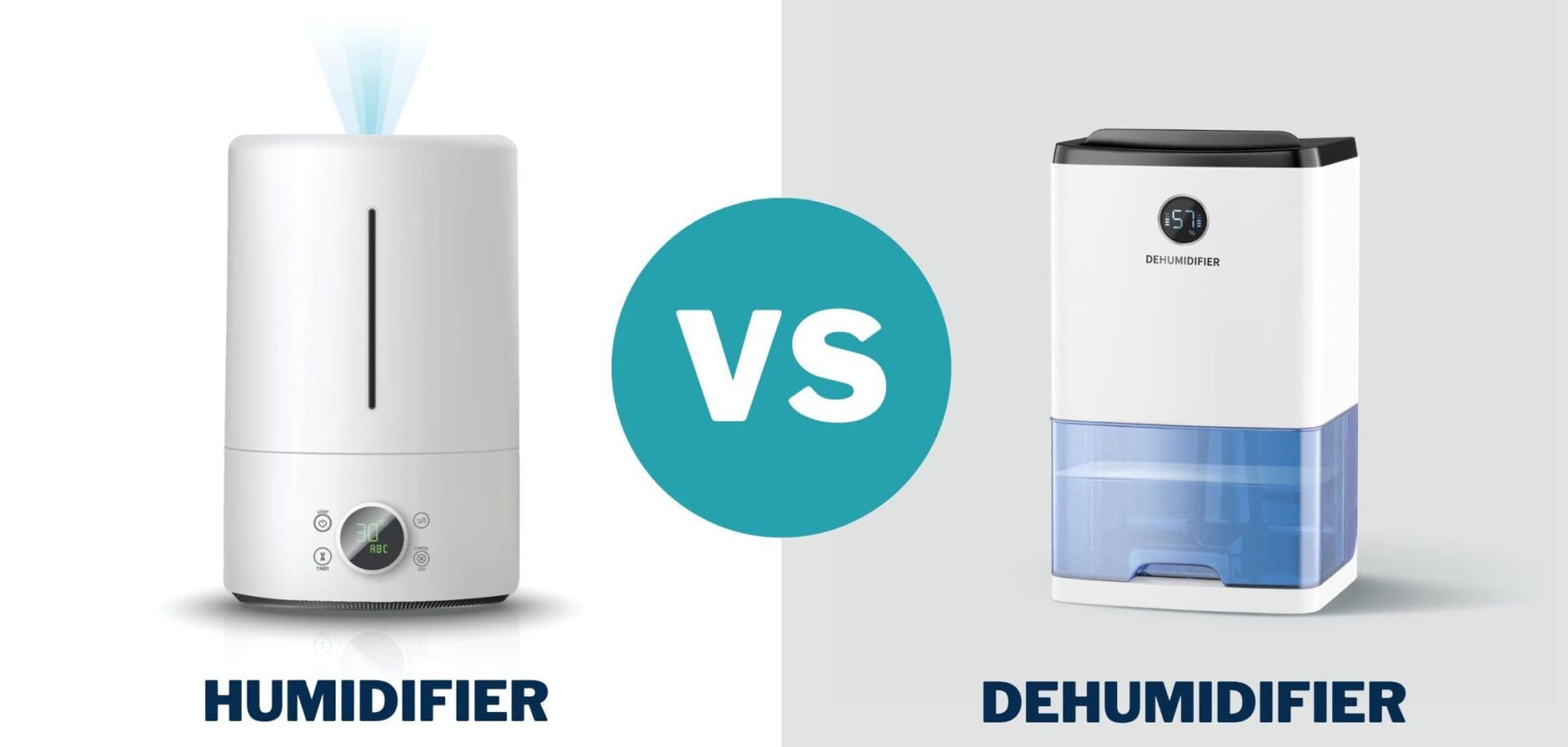
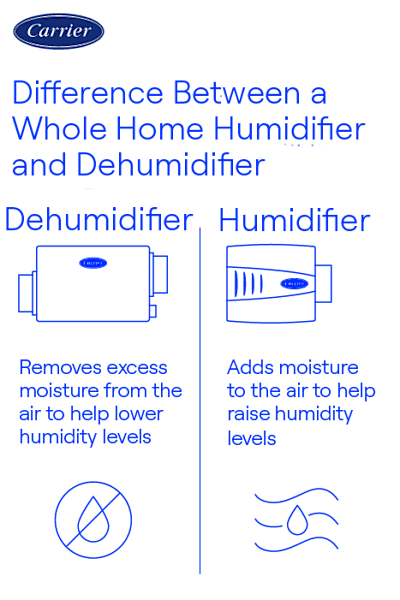
A humidifier adds moisture to dry air. It releases water vapor or steam to increase humidity levels. This helps reduce dryness that causes irritation in the skin and throat.
A dehumidifier removes moisture from the air. It pulls in humid air, cools it to condense water, and collects the water in a tank. This lowers humidity, preventing mold and dust mites.
Impact On Indoor Air
Humidifiers improve comfort in dry climates or heated rooms. They help ease breathing and reduce static electricity. But too much moisture can cause mold growth.
Dehumidifiers make the air less damp and fresher. They help stop mold and mildew problems. Dry air also limits allergens like dust mites. Too little humidity can cause dry skin and irritation.
Energy Consumption
Humidifiers usually use less electricity. Many models work quietly and use small amounts of power. They often run only when needed.
Dehumidifiers tend to use more energy. They work harder to remove moisture from the air. Running them for long periods can increase electricity bills.
Health Implications
Health plays a big role in choosing between a humidifier and a dehumidifier. Both devices affect the air we breathe inside our homes. They can improve comfort and reduce health problems linked to air moisture. Understanding their health effects helps in making the right choice for your space.
Benefits Of Humidifiers
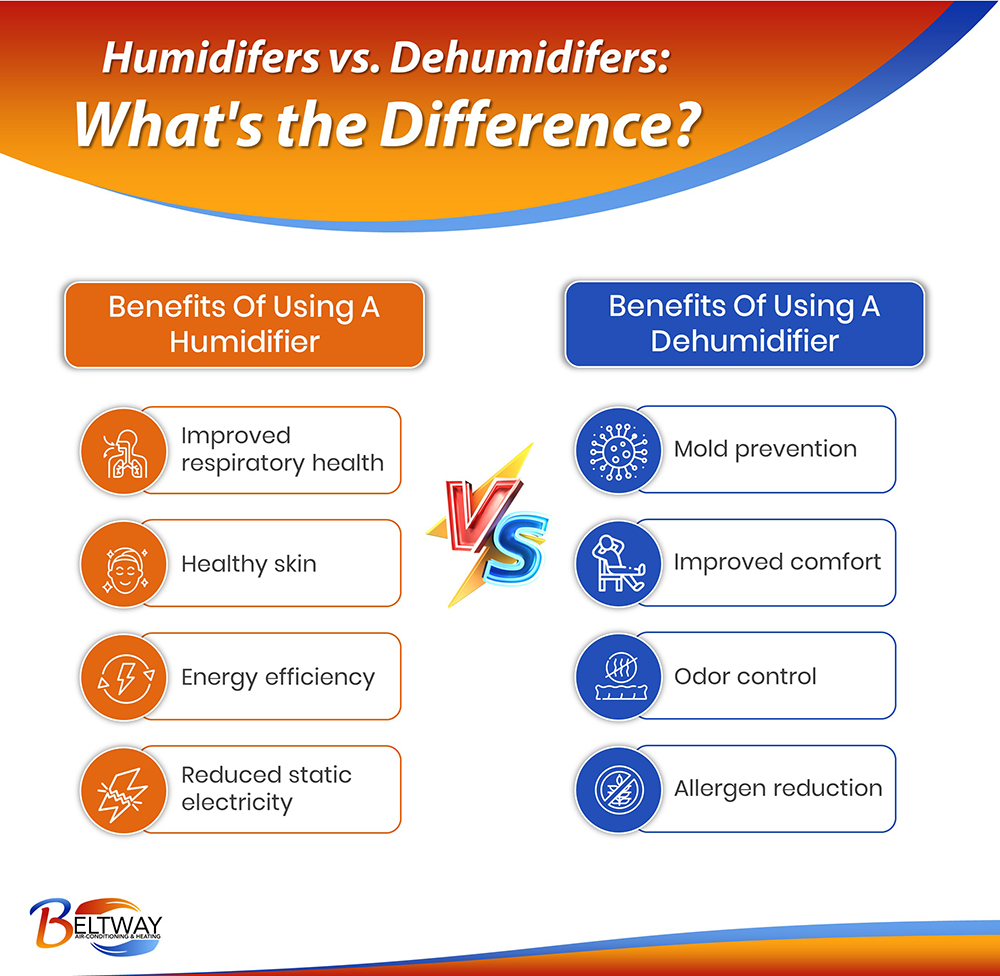
Humidifiers add moisture to dry air. This helps ease dry skin and chapped lips. They also relieve irritated sinuses and dry throats. Many people find it easier to breathe with more moisture in the air. Humidifiers can reduce cold symptoms and stop nosebleeds caused by dryness.
Benefits Of Dehumidifiers
Dehumidifiers remove excess moisture from the air. This cuts down mold and dust mites, which cause allergies. It helps prevent asthma attacks triggered by damp air. Dehumidifiers keep homes fresher and reduce musty smells. They help protect wooden furniture and walls from moisture damage.
Potential Risks
Too much humidity can cause mold growth and worsen allergies. It may also encourage dust mites and bacteria. Too little humidity can dry out skin and airways. It can cause irritation and make colds last longer. Poor maintenance of either device may spread germs and dust. Regular cleaning is important for safe use.
Choosing The Right Device
Choosing the right device for your home means understanding your air needs. Both humidifiers and dehumidifiers affect indoor air quality. Picking the correct one helps create a healthy and comfortable space. Here is how to decide which device suits your environment best.
Assessing Your Environment
Check the moisture level in your home first. Use a hygrometer to measure humidity. High humidity means you may need a dehumidifier. Low humidity points to a humidifier as the better choice. Think about the size of the room too. Bigger rooms need devices with higher capacity. Consider any signs of mold or dryness on walls.
Seasonal Considerations
Humidity changes with seasons. Winter air is often dry, so a humidifier helps. Summer can bring dampness, making a dehumidifier useful. Some homes need both devices at different times. Knowing seasonal patterns helps you plan for the best indoor air. Adjust your device use to match the weather.
Maintenance Tips
Regular cleaning keeps devices working well. Empty water tanks daily in humidifiers to stop bacteria. Clean filters in both devices as recommended by manufacturers. Check for any leaks or damage often. Proper care extends the life of your humidifier or dehumidifier. It also keeps your air fresh and safe to breathe.
Credit: www.carrier.com
Credit: beltwayhvac.com
Frequently Asked Questions
What Is The Main Purpose Of A Humidifier?
A humidifier adds moisture to the air to increase humidity levels. It helps relieve dry skin, irritated sinuses, and respiratory issues, especially in dry climates or during winter months.
How Does A Dehumidifier Improve Indoor Air Quality?
A dehumidifier removes excess moisture from the air. This helps prevent mold, mildew, and dust mites, reducing allergens and improving overall indoor air quality.
Can A Humidifier And Dehumidifier Be Used Together?
Using both devices simultaneously is usually unnecessary. Each serves opposite functions—humidifiers add moisture, while dehumidifiers remove it. Use based on your indoor humidity needs.
When Should I Use A Dehumidifier Instead Of A Humidifier?
Use a dehumidifier in damp, humid environments to reduce moisture. It’s ideal for basements or areas prone to mold and musty odors.
Conclusion
Choosing between a humidifier and a dehumidifier depends on your home’s air needs. Humidifiers add moisture when the air feels dry. Dehumidifiers remove excess moisture to prevent dampness. Both help improve comfort and health. Understanding their difference keeps your space balanced and fresh.
Use each device wisely for better indoor air quality. Simple steps, big benefits.
As an Amazon Associate, I earn from qualifying purchases.