Have you ever wondered if the water collected from your dehumidifier is the same as distilled water? You might be thinking about using that water for plants, cleaning, or even in your appliances.
But is it safe and pure enough? Understanding what dehumidifier water really is can save you from mistakes and help you make better choices for your home. Keep reading to uncover the truth about dehumidifier water and whether it matches the quality of distilled water.

Credit: cozpalace.com
How Dehumidifiers Collect Water
Dehumidifiers remove moisture from the air and collect water inside. Understanding how they collect water helps explain if that water is distilled or not. The process involves cooling air and trapping moisture. Different types of dehumidifiers use various methods to gather water. The water collection depends on the design and technology of the device.
Condensation Process
Dehumidifiers pull warm air inside. The air passes over cold coils. Moisture in the air changes to water droplets. This is called condensation. The droplets fall into a collection tank. This process lowers humidity in the room. The water collected is basically condensed from the air.
Types Of Dehumidifiers
There are mainly two types of dehumidifiers. Refrigerant dehumidifiers cool the air to condense moisture. Desiccant dehumidifiers use a special material to absorb moisture. Refrigerant types are common in warm areas. Desiccant types work well in cooler places. Each type collects water differently but both remove moisture effectively.
Water Collection Methods
Most dehumidifiers have a tank to store water. Some models use a hose to drain water directly. Others may have a pump to move water outside. The collected water comes from air moisture. It is not pure or distilled by default. The water may contain dust or small particles from the air.

Credit: www.carpetcleaningforce.co.nz
Comparison Between Dehumidifier Water And Distilled Water
Dehumidifier water and distilled water both appear clean and clear. People often wonder if they are the same. Understanding their differences helps decide if dehumidifier water is safe or useful. This section compares these two types of water by purity, mineral content, and contaminants.
Purity Levels
Distilled water is very pure. It is made by boiling water and collecting steam. This process removes almost all impurities. Dehumidifier water forms from air moisture collected by a machine. It is not boiled or filtered like distilled water. This means dehumidifier water usually has more impurities. It is less pure than distilled water.
Mineral Content
Distilled water has no minerals. The distillation process removes all salts and minerals. Dehumidifier water collects from air, which can contain dust and particles. It may have some minerals or tiny solids from the air or machine parts. These minerals are not the same as in tap water but can still be present. Distilled water is better if you need water without minerals.
Potential Contaminants
Distilled water is free from bacteria and chemicals because of boiling. Dehumidifier water can contain bacteria, mold, or chemicals. Airborne pollutants may settle in the water tank. The machine itself may add contaminants from plastic or metal parts. Using dehumidifier water without cleaning the device can be risky. Distilled water is safer for drinking or sensitive uses.
Common Misconceptions About Dehumidifier Water
Many people wonder about dehumidifier water and its quality. There are several myths around this water. Understanding the truth helps avoid confusion and unsafe use. Dehumidifier water is not the same as distilled water. It comes from air moisture, collected inside the machine. This section clears up common misconceptions about this water.
Is It Safe To Drink?
Dehumidifier water is not safe to drink. It collects dust, dirt, and bacteria from the air. The water also touches parts inside the machine. These parts may have mold or germs. Drinking this water can cause illness. It does not go through proper purification. Treat it as non-potable water. Always use clean, filtered water for drinking.
Uses Beyond Drinking
This water can serve some useful purposes. People use it for watering plants, but not all plants like it. Some plants may suffer from chemicals in the water. It works well for cleaning windows or floors. The water helps reduce streaks because it has few minerals. It can also be used in steam irons to avoid scale build-up. Avoid using it for cooking or pet drinking water.
Storage And Handling
Store dehumidifier water in clean containers. Use it quickly to avoid bacteria growth. Keep containers covered to stop dust and insects. Do not mix it with other liquids. Clean the dehumidifier regularly to reduce contaminants. Avoid touching the water with dirty hands. Proper handling keeps the water useful for non-drinking purposes only.
How Distilled Water Is Made
Understanding how distilled water is made helps clarify its purity. Distilled water goes through a special process that removes impurities and minerals. This process changes ordinary water into very clean water, often used in labs and medical settings. Let’s explore the main steps and reasons behind distillation.
Distillation Process
Distillation starts by heating water until it turns into steam. The steam rises and leaves behind minerals and other impurities. Then, the steam cools down and becomes liquid again. This liquid is called distilled water. It contains almost no minerals or chemicals.
Why It’s Considered Pure
Distilled water is pure because the process removes almost all impurities. Minerals, salts, and other particles stay in the boiling container. Only the pure steam turns back into water. This makes distilled water very clean and safe for many uses.
Typical Uses
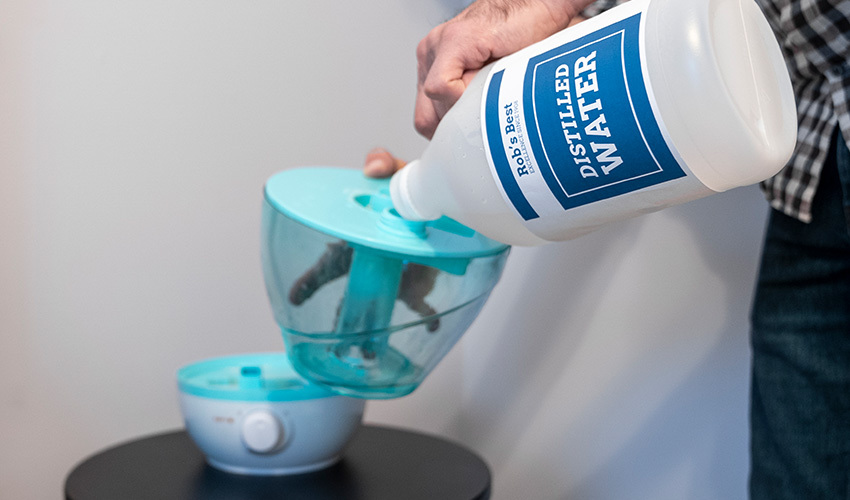
People use distilled water in many ways. It is common in medical tests and cleaning tools. It is also used in car batteries and steam irons. Some people drink it or use it in humidifiers to avoid mineral build-up.
Risks Of Using Dehumidifier Water
Using water collected from a dehumidifier might seem like a good idea. It is easy to gather and feels clean. Still, this water is not safe for many uses. It can carry hidden risks that affect health and appliances.
The water is not pure or distilled. It comes from air moisture and passes through the machine’s parts. This process can add unwanted elements to the water. These elements can cause problems if the water is reused without care.
Bacterial Growth
Dehumidifier water can hold bacteria and germs. The machine’s tank is often warm and damp, a perfect place for bacteria to grow. Using this water for drinking or plants can spread these germs. It may cause illness or damage to plants.
Chemical Residues
The water may contain chemicals from the air and the machine’s parts. Dust and other particles can mix with the water. Some parts of the dehumidifier use metals that can leave traces in the water. These chemicals are harmful if ingested or used carelessly.
Damage To Appliances
Using dehumidifier water in other machines can cause harm. The chemicals and particles can clog or corrode parts. Appliances like irons or humidifiers may stop working properly. It is better to use clean, distilled water to avoid damage.
Best Practices For Using Dehumidifier Water
Using water collected from a dehumidifier requires care and knowledge. This water is not pure like distilled water and may contain dust, bacteria, or chemicals. Following best practices helps to use this water safely and reduces risks. Below are key tips on how to handle dehumidifier water properly.
Safe Applications
Dehumidifier water can be used for tasks that do not require clean drinking water. It is good for watering plants, especially outdoor ones. Use it for cleaning floors or washing cars. Avoid using it for cooking or drinking. Keep it away from pets’ drinking bowls. Using it in the garden saves tap water but watch for any plant damage.
Filtration And Treatment Options
Filtering dehumidifier water improves its quality. Use simple filters like charcoal or fine mesh to remove dirt. Boiling the water can kill some bacteria but does not remove chemicals. Specialized water filters, such as reverse osmosis, work better but are costly. Treating the water with UV light also reduces germs. Always check the water before reuse to ensure safety.
Disposal Recommendations
Dispose of dehumidifier water properly if not reused. Pour it down a drain connected to the sewer system. Avoid dumping it on lawns or gardens with sensitive plants. Never release it into natural water bodies like rivers or lakes. Regularly clean the water tank to prevent mold growth. Proper disposal protects the environment and keeps your home safe.
Credit: www.aireserv.com
Frequently Asked Questions
Is Dehumidifier Water The Same As Distilled Water?
No, dehumidifier water is not the same as distilled water. It collects moisture from air but may contain dust and microbes. Distilled water is purified by boiling and condensation, making it free from impurities.
Can You Drink Water From A Dehumidifier?
It is not safe to drink dehumidifier water. The water can contain bacteria, dust, and other contaminants from the air and the machine’s parts. Always use clean, filtered, or distilled water for drinking.
How Pure Is Dehumidifier Water Compared To Distilled Water?
Dehumidifier water is less pure than distilled water. It may contain airborne particles and microorganisms. Distilled water undergoes a purification process that removes most impurities, making it safer and cleaner for consumption or use in sensitive equipment.
What Are The Common Uses Of Dehumidifier Water?
Dehumidifier water is commonly used for non-potable purposes like watering plants, cleaning, or in steam irons. It is not suitable for drinking or cooking due to potential contaminants.
Conclusion
Dehumidifier water is not the same as distilled water. It may contain dust, mold, or minerals from the air. Using it for drinking or cooking is unsafe. You can use it for plants or cleaning, but be careful. Always check your dehumidifier’s instructions for proper use.
Understanding this helps you avoid health risks. Keep your home safe and clean by knowing the facts. Dehumidifier water serves a different purpose than distilled water. Choose the right water for your needs every time.
As an Amazon Associate, I earn from qualifying purchases.