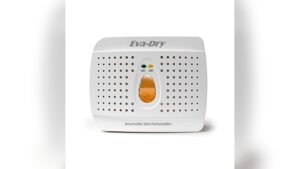
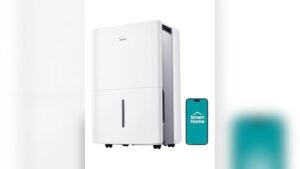
Are you battling mold in your home and wondering if a dehumidifier is the solution? Mold can damage your walls, ruin your belongings, and even harm your health.
You might think that simply using a dehumidifier will wipe it out for good. But is that really true? Understanding how a dehumidifier works and what it can—and cannot—do is key to protecting your space. Keep reading to find out if a dehumidifier can kill mold and what steps you should take to keep your home safe and mold-free.
How Mold Grows Indoors
Mold grows inside homes in places with moisture and poor air flow. It starts as tiny spores that float through the air. These spores land on damp surfaces and begin to grow. Mold spreads quickly if the right conditions are present. Knowing how mold grows helps prevent its spread.
Many people do not realize how easily mold can form. It can hide behind walls, under floors, or inside air ducts. Mold causes damage to homes and can affect health. Understanding what mold needs to grow is key to controlling it.
Conditions Mold Needs
Mold needs moisture to grow. High humidity or leaks create perfect spots. Mold grows best in temperatures between 60°F and 80°F. Dark, damp areas like basements and bathrooms are common mold sites. Without moisture, mold cannot survive or spread. Air flow and dryness help stop mold growth.
Common Mold Types
Several mold types appear in homes. Black mold is one of the most known and can be harmful. Aspergillus grows on food and in damp places. Cladosporium appears on fabrics and wood. Penicillium often grows on water-damaged materials. Each type needs moisture but differs in where it thrives.

Credit: www.youtube.com
Role Of Humidity In Mold Growth
Humidity plays a key role in mold growth inside homes and buildings. Mold needs moisture to grow and spread. Without moisture, mold spores cannot develop into colonies. Understanding how humidity affects mold helps control and prevent it effectively.
Keeping the right humidity level limits mold growth and protects your living space. Let’s explore the ideal humidity levels and the effects of high humidity on mold.
Ideal Humidity Levels
Humidity should stay between 30% and 50% indoors. This range keeps air comfortable and stops mold from growing. Many experts recommend using a hygrometer to track indoor humidity.
Below 30%, the air becomes too dry. Above 50%, moisture builds up. Mold thrives in moist environments. Maintaining proper humidity reduces mold risks and improves air quality.
Effects Of High Humidity
High humidity creates a perfect environment for mold to grow fast. Moisture collects on walls, ceilings, and furniture. This dampness encourages mold spores to multiply.
Excess humidity also harms wood, fabrics, and paint. It can cause odors and damage your home’s structure. Controlling humidity stops mold and protects your property.
Dehumidifiers And Mold Control
Mold grows in damp places. Controlling moisture helps stop mold growth. Dehumidifiers lower humidity in the air. This makes spaces less friendly for mold. Using a dehumidifier can slow down mold problems in your home.
Understanding how dehumidifiers work is key to using them well. They do not kill mold directly. Instead, they create an environment where mold cannot thrive.
How Dehumidifiers Work
Dehumidifiers pull moist air inside the machine. The air passes over cold coils. This cools the air and water condenses on the coils. The water collects in a tank or drains away. Drier air then flows back into the room.
This process lowers the overall humidity level. Mold spores need moisture to grow. Without enough moisture, mold cannot spread easily.
Reducing Moisture Effectively
Set the dehumidifier to keep humidity below 50%. This level helps prevent mold growth. Place the device in damp areas like basements or bathrooms. Run it regularly for best results.
Fix leaks and improve ventilation along with using a dehumidifier. These steps reduce moisture sources. Together, they create a dry environment that stops mold from growing.
Limitations Of Dehumidifiers Against Mold
Dehumidifiers help reduce moisture in the air. Less moisture can slow mold growth. Still, dehumidifiers do not completely stop or kill mold. They have limits in how they work against mold.
Mold Already Present
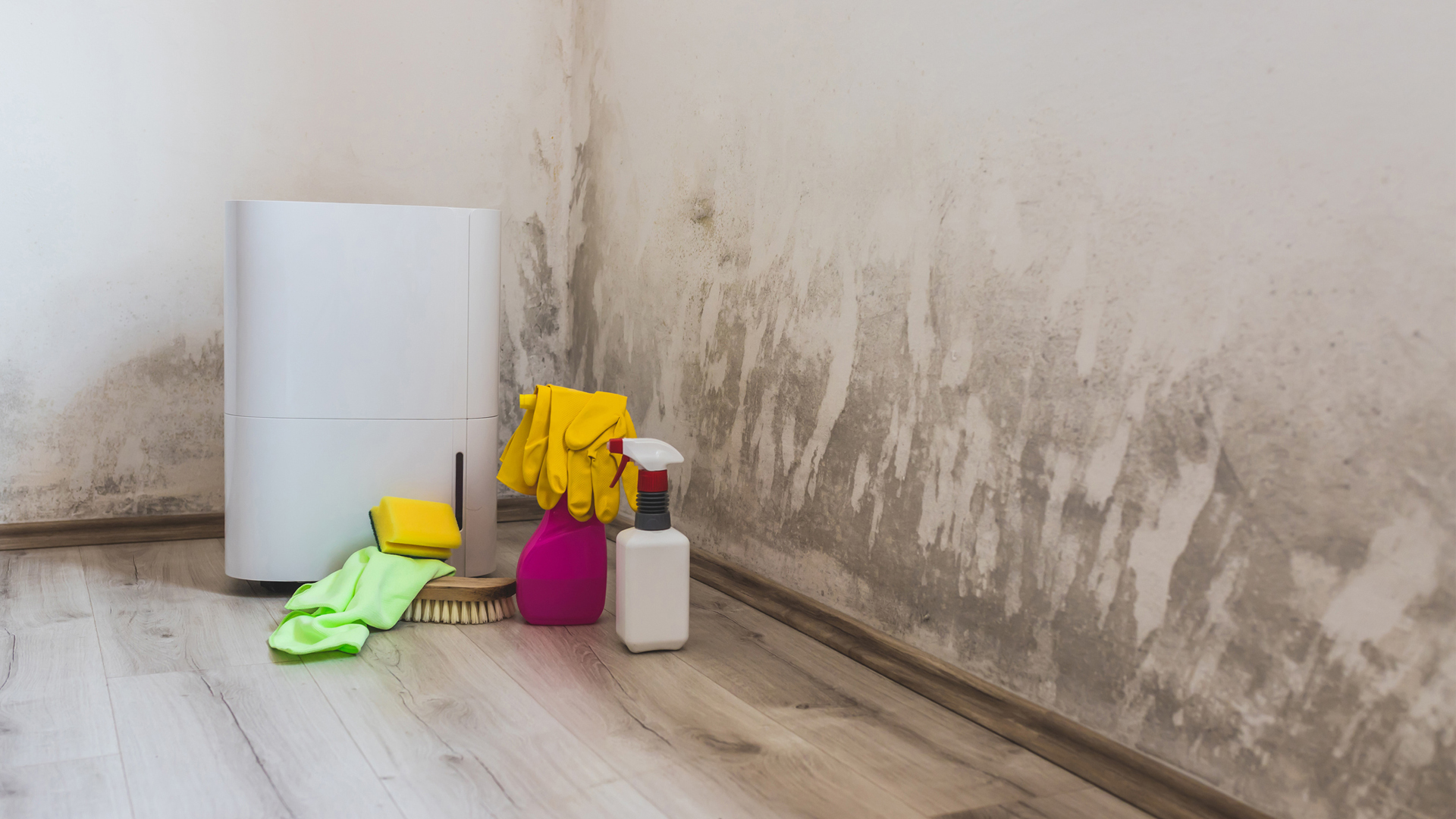
Dehumidifiers do not remove mold that already exists. Mold grows on walls, floors, and other surfaces. A dehumidifier only controls air moisture. It cannot clean or kill mold patches. Removing mold needs scrubbing or special cleaners. You must treat existing mold directly.
Areas Dehumidifiers Can’t Reach
Dehumidifiers work best in open spaces. They cannot reach behind walls or under floors. Mold can hide in these dark, damp places. Air may not flow well there. Moisture stays trapped and mold can grow. Dehumidifiers alone cannot fix mold in hidden spots.
Additional Mold Prevention Tips
Mold can cause many health and home problems. Using a dehumidifier helps reduce moisture but may not fully stop mold. Other steps are needed to keep mold away. These tips help create a dry and clean space. They work well with a dehumidifier to protect your home.
Proper Ventilation
Airflow lowers moisture in rooms. Open windows or use fans to move air. Vent bathrooms and kitchens to the outside. This helps stop damp air from staying inside. Proper ventilation keeps your home fresh and dry.
Fixing Water Leaks
Leaks cause hidden damp spots. Check pipes, roofs, and walls for leaks. Repair any water damage quickly. Dry wet areas to avoid mold growth. Fixing leaks stops water from feeding mold spores.
Regular Cleaning
Clean surfaces often to remove mold spores. Use mold-killing cleaners on walls and floors. Wash curtains and fabrics regularly. Cleaning stops mold from settling and growing. It keeps your home safe and healthy.
Choosing The Right Dehumidifier
Choosing the right dehumidifier is important to control mold growth effectively. A suitable device reduces moisture and keeps air dry. This helps stop mold from spreading and damaging your home.
Think about the size of your room and the dehumidifier’s features. The right choice saves energy and works well for your space. It also needs simple care to keep it running smoothly.
Size And Capacity
Select a dehumidifier that matches your room size. Small units work for small rooms, while bigger spaces need more powerful machines. Check the capacity, which is how much water it can remove per day. A higher capacity is better for damp or large areas.
Energy Efficiency
Choose an energy-efficient model to save on electricity bills. Look for Energy Star ratings or similar certifications. Efficient units use less power but still dry the air well. This helps reduce your home’s energy use and costs.
Maintenance Needs
Pick a dehumidifier that is easy to clean and maintain. Check if the water tank is simple to empty and clean. Also, look at filter replacement or cleaning instructions. Regular care keeps the unit working properly and prevents mold inside the machine.
When To Seek Professional Mold Removal
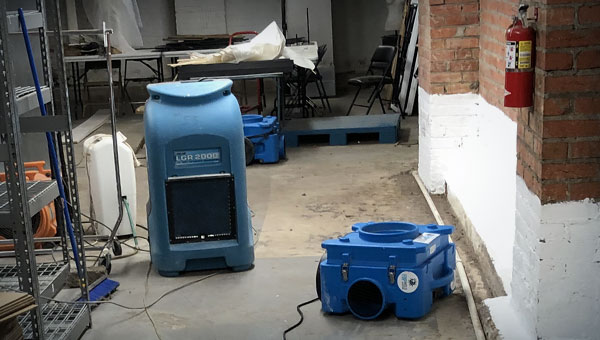
Dehumidifiers help reduce moisture, which can slow mold growth. But they do not kill mold completely. Some mold problems need more than just a dehumidifier. Knowing when to call a professional is key to safe and effective mold removal.
Signs Of Serious Infestation
Large patches of mold on walls or ceilings mean a serious issue. Mold that returns after cleaning shows it may be deep inside. A musty smell that never goes away signals hidden mold. Water damage or leaks also increase mold risk. These signs mean professional help is necessary.
Health Risks
Mold can cause breathing problems and allergic reactions. People with asthma or weak immune systems face higher risks. Prolonged exposure can lead to headaches and skin irritation. Professionals use safe methods to remove mold and protect health. Avoid risks by letting experts handle severe mold issues.
Credit: www.fdpmoldremediation.com
Credit: www.livescience.com
Frequently Asked Questions
Does A Dehumidifier Completely Kill Mold?
No, a dehumidifier does not kill mold. It reduces moisture, which slows mold growth but does not eliminate existing mold.
How Does A Dehumidifier Prevent Mold Growth?
By lowering indoor humidity levels, a dehumidifier creates an environment where mold spores struggle to grow and spread.
Can A Dehumidifier Remove Mold Spores From The Air?
A dehumidifier reduces humidity but does not filter or remove mold spores from the air.
Is Using A Dehumidifier Enough To Stop Mold Damage?
No, dehumidifiers help control moisture but cleaning and mold remediation are needed to stop mold damage effectively.
Conclusion
A dehumidifier helps reduce moisture, which slows mold growth. It does not kill mold already on surfaces. Cleaning mold with proper products is still necessary. Keeping humidity low can prevent future mold problems. Use a dehumidifier as part of a mold control plan.
Regular cleaning and ventilation work well with dehumidifiers. Stay aware of moisture levels in your home. This simple step supports a healthier living space.
As an Amazon Associate, I earn from qualifying purchases.