Hanging art on plaster walls can feel tricky. You want your favorite pieces to look great without damaging your walls.
If you’ve ever tried to hang something and ended up with cracks, holes, or a crooked frame, you know the frustration. But don’t worry—there’s a simple way to get it right. This guide will show you exactly how to hang art on plaster walls safely and securely, so your room looks amazing and your walls stay intact.
Keep reading, and you’ll learn tips that make the whole process easy and stress-free.
Credit: www.picturehangingsystems.ca
Choosing The Right Hardware
Choosing the right hardware is key to safely hang art on plaster walls. Plaster is delicate and can crack or crumble if you use the wrong fasteners. Picking the right nails, hooks, or anchors helps protect your wall and keeps your art secure. Understanding weight limits and special fasteners for plaster makes the process easier and safer.
Nails Vs. Hooks Vs. Anchors
Nails are simple and work well for light pieces. They cause less damage but may not hold heavy frames. Hooks offer better support and spread weight across the wall. Anchors provide the strongest hold, especially for heavy or large art. They expand inside the wall to grip plaster and lath firmly.
Weight Limits To Consider
Check the weight of your artwork before choosing hardware. Light art under 10 pounds can hang on small nails or hooks. Medium weight, between 10 to 25 pounds, needs sturdier hooks or plastic anchors. Heavy art over 25 pounds requires metal anchors or toggle bolts for safety. Always use hardware rated for the exact weight.
Specialty Fasteners For Plaster
Plaster walls need special fasteners to avoid damage. Plastic anchors designed for plaster expand gently inside the wall. Metal toggle bolts spread weight over a larger area, preventing cracks. Screw anchors with wide threads grip plaster and lath tightly. These fasteners give secure holds and protect plaster from breaking.
Preparing Your Wall
Preparing your plaster wall before hanging art is key. It helps avoid damage and ensures your art stays secure. Take time to check the wall carefully. Proper preparation makes the process easier and safer.
Locating Studs Behind Plaster
Studs provide strong support for heavy art. Use a stud finder to locate them. Move it slowly across the wall surface. Mark each stud location lightly with a pencil. If no stud finder is available, tap the wall and listen. A solid sound means a stud is behind the plaster.
Testing Wall Strength
Plaster walls can be fragile. Test strength by pressing gently with your finger. Look for cracks or crumbling areas. Avoid these spots for hanging art. Use anchors made for plaster to add support. This prevents damage and keeps your art stable.
Marking Your Layout
Plan where your art will hang. Use a pencil to mark spots on the wall. Measure distances to keep art level and balanced. Mark multiple points if hanging several pieces. Step back and check the layout before drilling. This saves time and keeps your art looking neat.
Hanging Techniques
Hanging art on plaster walls requires careful techniques to keep your pieces secure. Plaster is fragile and can crack or crumble if you use wrong methods. Using proper hanging tools helps protect the wall and the art. Follow these simple steps for safe and easy installation.
Using Picture Wire And Hooks
Picture wire spreads the weight of the art evenly across the wall. Attach wire to the frame’s back using D-rings or eye hooks. Use hooks made for plaster walls, like screw-in or adhesive hooks. Place hooks where the wire will rest tightly without slipping. This method works well for light to medium-weight art.
Securing Heavy Art Pieces
Heavy art needs extra support to stay safe on plaster walls. Use wall anchors designed for plaster, such as toggle bolts or molly bolts. Drill pilot holes carefully to avoid cracking the wall. Insert anchors and screw in hooks or brackets. Double-check the weight limit on anchors before hanging your piece.
Avoiding Wall Damage
Plaster walls crack easily if you use wrong tools. Avoid nails or screws without anchors; they can cause holes and damage. Use hooks with wide bases to distribute pressure. If possible, hang art on wooden studs behind plaster for better support. Patch small holes with plaster repair kits to keep walls smooth.

Credit: simplyframed.com
Alternative Mounting Options
Plaster walls need special care to avoid damage. Traditional nails and screws can crack plaster. Alternative mounting options help hang art safely. These methods protect walls and keep art secure. They suit different styles and wall types.
Adhesive Strips And Hooks
Adhesive strips and hooks stick directly to plaster walls. They do not require drilling or nails. These strips hold lightweight frames and small art pieces. Clean the wall before applying for better grip. Remove strips carefully to avoid peeling paint or plaster.
Rail Systems And Hanging Bars
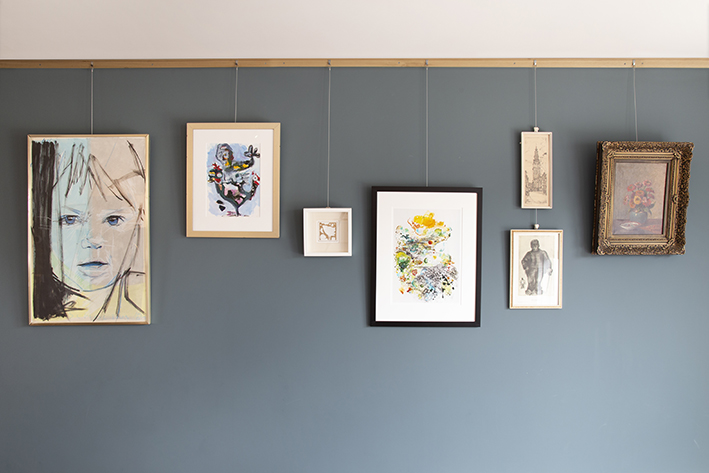
Rail systems use a horizontal bar attached near the ceiling. Hooks and wires hang from the rail to hold art. This method spreads weight evenly across the wall. It prevents holes in plaster and allows easy rearrangement. Ideal for heavy or multiple frames on plaster walls.
Lean And Shelf Displays
Lean art frames against the wall on a shelf or mantel. Shelves hold multiple pieces without wall damage. This method offers flexible placement and easy changes. It suits large art pieces or frames with depth. Use non-slip pads to keep frames stable on shelves.
Maintaining Your Display
Keeping your art display neat and safe on plaster walls requires some care. Regular attention helps your art look fresh and the wall stay strong. Simple steps can keep your display in top shape for years.
Regular Checks And Adjustments
Check your art and hooks every few months. Look for any signs of loosening or damage. Tighten hooks or nails gently if needed. Small fixes stop big problems. This helps keep your art secure and your plaster intact.
Cleaning Around Art
Dust the area around your art with a soft cloth. Avoid spraying cleaners directly on the wall or frame. Use a dry or slightly damp cloth for cleaning. This prevents dirt buildup and protects both the art and plaster. Clean hands before touching the art to avoid smudges.
Protecting Plaster Over Time
Keep the wall dry and free from moisture. Use a dehumidifier if your room is humid. Avoid hanging heavy items near your art to reduce stress on plaster. Repair small cracks quickly with plaster patch kits. These steps help your plaster stay strong and your art safe.
Credit: www.neighborly.com
Frequently Asked Questions
How Do I Hang Art Without Damaging Plaster Walls?
Use adhesive hooks or picture hangers designed for plaster. Avoid nails or screws that cause cracks. Choose lightweight frames to minimize damage risk.
What Type Of Anchors Work Best For Plaster Walls?
Molly bolts or toggle bolts provide strong support. They expand behind the wall for secure grip. Use anchors rated for your artwork’s weight.
Can I Hang Heavy Art On Plaster Walls Safely?
Yes, with the right anchors and studs. Locate studs using a stud finder. Heavy frames need strong anchors to prevent wall damage.
How To Avoid Cracks When Hanging Art On Plaster Walls?
Drill pilot holes slowly and carefully. Use small screws and anchors to reduce pressure. Avoid hammering directly into plaster to prevent cracks.
Conclusion
Hanging art on plaster walls takes care and the right tools. Use anchors made for plaster to keep frames secure. Take your time to measure and mark spots clearly. Avoid heavy items unless you use strong supports. Small steps lead to great results.
Enjoy your new wall display with confidence. Keep these tips handy for future projects. Your walls will look beautiful and stay safe. Simple methods make decorating easy and fun.
As an Amazon Associate, I earn from qualifying purchases.