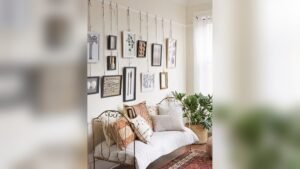
Choosing the right size for your wall art can completely change the look and feel of your room. But how big should wall art be to make the best impact?
If you’ve ever stood in front of a blank wall wondering what size artwork would fit just right, you’re not alone. The perfect wall art size can balance your space, draw attention, and even express your style without overwhelming the room.
You’ll discover simple tips and clear guidelines to help you pick the ideal size for your wall art—so your walls can truly come alive. Keep reading to learn how to make your walls speak volumes with the right art size.

Credit: www.cheapwallarts.com
Choosing Wall Art Sizes
Choosing the right size for wall art is important. It helps to create a balanced and beautiful space. The size of art should fit the wall and the room. It should also match the furniture around it. This makes the room feel complete and inviting.
Several factors affect the size of wall art you select. Knowing these can help you pick the perfect piece. Let’s explore the main points to consider.
Factors Influencing Size
The style of the room affects wall art size. A large, open space can hold bigger art. Smaller rooms need smaller pieces to avoid crowding. The color and pattern of the art also matter. Bold, bright art stands out better in larger sizes.
Consider the purpose of the art. Is it a focal point or part of a gallery wall? Focal points need larger sizes to draw attention. Gallery walls work well with smaller, varied pieces.
Room Dimensions And Wall Space
Measure the wall where you want the art. The height and width guide the size choice. Leave space around the art for breathing room. Too large art can overwhelm the wall. Too small art can look lost or insignificant.
High ceilings allow for taller pieces or vertical arrangements. Wide walls can handle wide or horizontal art. Think about how the art fits with the wall’s shape and size.
Furniture And Wall Art Balance
Furniture size affects the size of wall art. Large sofas or beds need bigger art above them. Smaller furniture works better with smaller art pieces. The art should be about two-thirds to three-quarters the width of the furniture below it.
Keep the height of the art in line with the furniture’s height. This creates harmony and balance in the room. Avoid placing art too high or too low above furniture.

Credit: www.bob-kent-photography.com
Common Wall Art Sizes
Choosing the right size for wall art is important. It affects the look and feel of your space. Wall art comes in many common sizes. These sizes fit different rooms and wall types. Understanding these sizes helps you pick art that suits your space well.
Below are common wall art sizes divided into three groups. Each group works for different wall spaces and design goals.
Small Artworks
Small artworks usually measure up to 16 by 20 inches. These pieces work well in tight spaces. They fit nicely above desks or small furniture. Small art creates a subtle, cozy vibe. Try grouping several small pieces for a gallery effect.
Medium Artworks
Medium artworks range from 20 by 24 inches to 30 by 40 inches. This size suits most living rooms and bedrooms. Medium art makes a clear statement without overpowering the room. It balances well with furniture and other decor.
Large Artworks
Large artworks start around 40 by 60 inches and go up. These pieces become the room’s focal point. Large art fills wide or empty walls perfectly. It adds drama and style to spacious areas. Use large art to highlight your personal taste boldly.
Sizing For Different Walls
Choosing the right size for wall art depends on the wall it will hang on. Different rooms need different sizes for balance and style. The size should fit the wall space without overwhelming it or looking too small.
Living Room Walls
Living rooms often have large walls. Big art pieces work well here. A good rule is to cover about 60-75% of the wall space. This keeps the room feeling cozy but not crowded. Grouping smaller pieces can also fill wide walls nicely.
Bedroom Walls
Bedroom walls usually have less space. Art above the bed should be about two-thirds the width of the headboard. Smaller art works well on side walls. Keep the size moderate to maintain a calm atmosphere.
Hallways And Entryways
Hallways and entryways have narrow walls. Slim, tall art pieces fit best. Choose art that is about two-thirds the height of the wall. Small to medium sizes help avoid clutter and keep the space inviting.
Office Spaces
Office walls need art that inspires without distraction. Medium-sized pieces work well above desks. Aim for art about half the width of the furniture it hangs above. This helps create a focused and pleasant work area.
Techniques For Arranging Wall Art
Choosing the right size for wall art is only the first step. How you arrange the pieces matters a lot. The arrangement sets the mood and style of a room. It can make walls look balanced and inviting. Below are some popular techniques to arrange wall art effectively.
Single Large Pieces
One big piece can become a strong focal point. It fills space and draws attention easily. Choose a size that fits the wall well. Avoid too small art on a big wall. Keep the piece centered for best impact. Large art works well above sofas or beds. It creates a clean, simple look.
Gallery Walls
Gallery walls use many smaller pieces together. This style adds personality and interest. Arrange art in a grid or freeform style. Keep space between frames consistent for neatness. Use similar frames or colors for harmony. Gallery walls fit well in hallways or living rooms. They tell a story through multiple artworks.
Mixing Sizes And Shapes
Mixing different sizes and shapes creates a dynamic look. Combine squares, rectangles, and circles for variety. Balance large pieces with smaller ones nearby. Use odd numbers for a natural feel. This style suits modern and eclectic rooms. It keeps the eye moving across the wall.
Practical Tips For Measuring
Choosing the right size for wall art can be tricky. Measuring helps you avoid mistakes and find the perfect fit for your space. Practical tips make measuring easier and more accurate. These simple methods help you visualize the artwork before hanging it. They also keep your walls safe from extra holes or marks.
Using Painter’s Tape
Painter’s tape is a handy tool for measuring wall art size. Mark the wall with tape to show the artwork’s edges. This visual guide helps you see how big the art will look. You can move the tape around to test different sizes. Painter’s tape won’t damage your wall paint.
Mock-ups And Templates
Create paper mock-ups or cardboard templates of the wall art size. Tape these shapes on the wall to get a real feel for the art. This method shows how the art fits with furniture and other decorations. It also helps you check if the size feels balanced on the wall.
Spacing And Placement Guidelines
Leave enough space around the art for a clean look. Keep about 6 to 12 inches between the art and nearby furniture or other pieces. Center the art at eye level, usually 57 to 60 inches from the floor. Proper spacing and placement make the art stand out nicely.
Impact Of Frame And Mat Size
The size of a frame and mat can change how your wall art looks. They affect the art’s presence in a room. A well-chosen frame adds style and protects the piece. Mats create space around the art, making it stand out more. Both can make small art look bigger or large art feel balanced.
Choosing Frames To Complement Art
Pick a frame that fits the art’s style and colors. Thin frames suit modern, simple art. Thick frames work well with classic or bold pieces. The frame’s color should match or contrast softly with the artwork. Wood frames add warmth, while metal frames give a sleek look. The right frame draws attention without overpowering the art.
Matting Effects On Perceived Size
Mats add space between the art and frame. This space helps the eye focus on the artwork. A wide mat makes the art look bigger and more important. Narrow mats keep the look tight and neat. White or light mats brighten the piece. Dark mats add drama and depth. Choose mat size based on wall space and art size.
Adapting Wall Art Size To Style
Choosing the right size for wall art depends on the style of your room. Different styles call for different art sizes to keep the space balanced. The size of the art can highlight the room’s mood and design.
Big art can make a bold statement in some rooms. In others, smaller pieces work better to keep things calm and neat. Matching the art size to the style helps the room look complete and inviting.
Modern Minimalist Spaces
Minimalist rooms often use simple and clean designs. Large wall art can overwhelm these spaces. Small to medium art pieces fit better here. They keep the room calm and uncluttered. Choose art with simple shapes or soft colors. This keeps the focus on space and light.
Traditional And Classic Interiors
Traditional rooms feel warm and detailed. Bigger art pieces work well in these spaces. Large frames with classic designs add charm. They fill the room without crowding it. Rich colors and detailed images suit these interiors. The size helps balance heavy furniture and decorations.
Eclectic And Bohemian Designs
Eclectic rooms mix many styles and colors. Wall art size can vary a lot here. Use different sizes to create a fun and lively look. Small and large pieces together add interest. Bright colors and bold patterns fit well. This style allows more freedom with art size and shape.

Credit: artisout.com
Frequently Asked Questions
How To Choose The Right Size For Wall Art?
Measure your wall space first and consider furniture size. Choose art that fills 60-75% of the wall area for balance. Keep scale proportional to the room and avoid pieces too small or too large for the space.
What Is The Ideal Wall Art Size Above A Sofa?
Select art that is 2/3 to 3/4 the width of your sofa. This ensures the piece complements the furniture without overwhelming it. Keep the bottom edge 6-12 inches above the sofa’s back for visual comfort.
Can Large Wall Art Make A Small Room Look Bigger?
Yes, large art can create a focal point and add depth. Choose bright or light colors to enhance openness. Avoid cluttered designs that might overwhelm small spaces and choose simple, bold pieces instead.
How High Should Wall Art Be Hung?
Hang art at eye level, typically 57-60 inches from the floor to the center. Adjust based on furniture height or ceiling size. Proper height ensures comfortable viewing and enhances room aesthetics.
Conclusion
Choosing the right size for wall art shapes your room’s feel. Big art grabs attention and fills large walls well. Small pieces suit cozy spaces and add subtle charm. Measure your wall space before picking art size. Think about furniture and other decorations nearby.
Balance and harmony make your room look inviting. Trust your eye and personal taste in the end. A well-sized piece makes your space feel complete. Simple steps lead to beautiful, comfortable rooms every time.
As an Amazon Associate, I earn from qualifying purchases.