Have you ever noticed how something as simple as a chair, a table, or a lamp can hold a deeper meaning? In The Handmaid’s Tale, these everyday objects aren’t just furniture—they tell a story.
If you want to uncover the hidden messages behind these items and see how they shape the world of the story, you’re in the right place. Keep reading, and you’ll discover how these common things reveal powerful secrets about control, survival, and hope.
Your perspective on The Handmaid’s Tale is about to change.

Credit: www.reddit.com
Symbolism Of The Chair
The chair in A Chair, a Table, a Lamp holds deep meaning beyond its simple form. It is not just furniture but a powerful symbol. This symbol reflects the themes of power, control, and resistance in the story. The chair represents more than a seat; it tells a story about the characters and their place in society.
Representation Of Authority
The chair shows who holds power in the room. It is a sign of authority and rank. The person who sits in the chair often rules the space. The chair marks the difference between leaders and followers. It stands for control and dominance.
Control And Submission
The chair also symbolizes control over others. Those forced to sit or stand in certain ways show submission. Sitting in or avoiding the chair reflects obedience or resistance. The chair becomes a tool to enforce rules and order. It shows who must follow and who commands.
Spaces Of Resistance
Despite control, the chair can also be a place of quiet resistance. Characters use it to claim small freedoms. Sitting in the chair can mean a challenge to power. The chair becomes a secret space to resist the system. It holds hope for change amid oppression.
Significance Of The Table
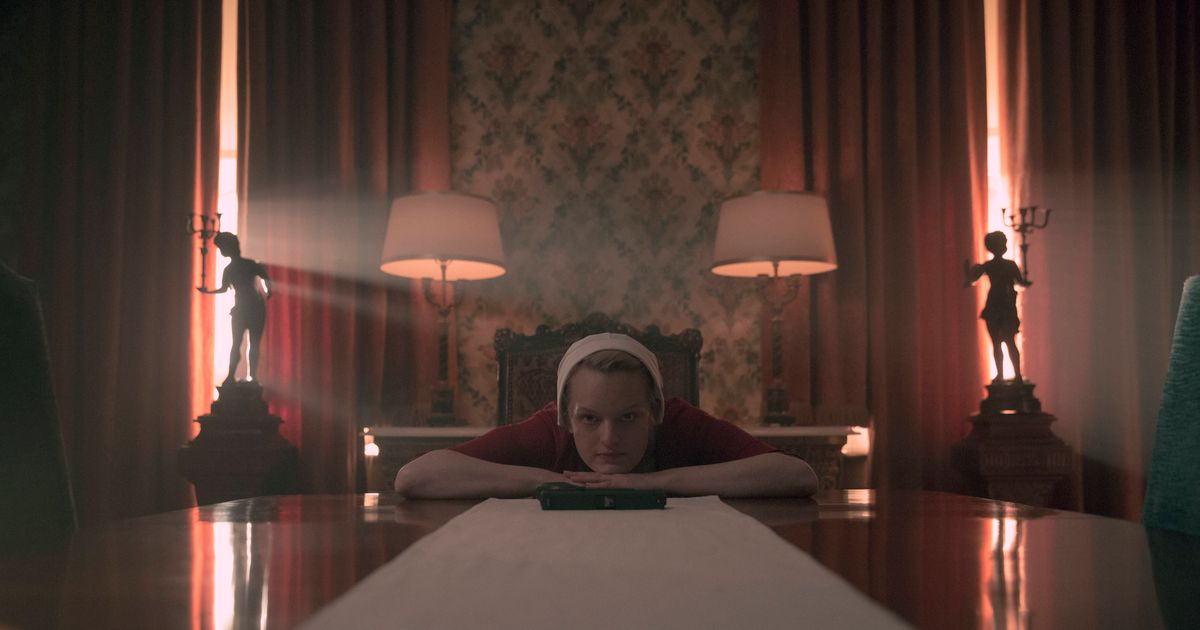
The table in A Chair, a Table, a Lamp holds deep meaning. It is more than just furniture. It represents how people connect and how power works in the story. The table is a place where many key moments happen. It shapes the characters’ lives and their relationships.
Understanding the table helps us see the story’s themes more clearly. The table shows both unity and control. It reflects the world the characters live in.
Gathering And Community
The table brings people together. It is a spot for sharing and talking. Characters meet around it to connect with each other. This gathering creates a sense of community. The table becomes a symbol of hope and togetherness in a harsh world.
Division And Hierarchy
The table also shows clear divisions. Not everyone has the same place around it. Seating reveals who has power and who does not. The table marks social ranks and control. It shows the limits placed on certain characters.
Scenes Of Negotiation
Many important talks happen at the table. Characters use it as a stage to negotiate and decide. The table holds tension and unspoken rules. It is a space where struggles for control play out. These moments reveal much about the characters’ goals and fears.
Meaning Behind The Lamp
The lamp in A Chair, a Table, a Lamp holds deep meaning. It is more than just an object. The lamp symbolizes many ideas that shape the story. It shines light on themes like knowledge, control, hope, and fear.
Light As Knowledge
The lamp represents knowledge and truth. Light helps characters see clearly. It reveals hidden things in the dark. Knowledge is power in a world full of secrets. The lamp’s glow shows a path to understanding.
Illumination And Surveillance
The lamp also shows control and watching. Light can expose actions and thoughts. It reminds characters that they are always watched. The lamp is a tool for surveillance. It creates tension and fear in the story.
Hope And Despair
The lamp’s light brings hope in dark times. It signals safety and warmth for characters. Yet, the same light can highlight sadness and loss. The lamp shows the fine line between hope and despair. It reflects the characters’ struggles and feelings.
Credit: www.skyminds.net
Interplay Of Objects And Power
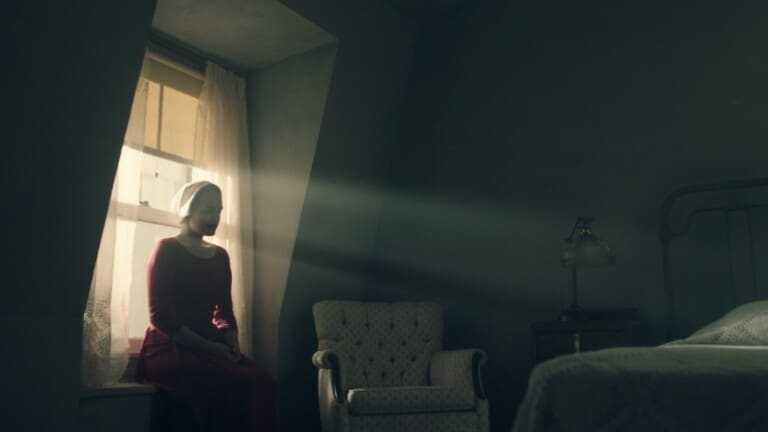
The story of A Chair, a Table, a Lamp from The Handmaid’s Tale shows how simple objects hold deep meanings. These everyday items are more than just furniture. They reveal the power dynamics in the story. Objects become symbols of control and resistance. Their presence shapes the characters’ lives and the world they live in.
Objects As Tools Of Control
In the story, objects serve to control the characters. The chair, table, and lamp mark spaces where rules are enforced. They limit freedom and remind people of their place. The lamp shines light on obedience and surveillance. These items create a strict environment. They restrict movement and expression.
Subversion Through Everyday Items
Despite their controlling roles, these objects also allow small acts of defiance. The characters use the chair or table to resist in subtle ways. They change meanings by how they interact with the items. Touching or moving these objects becomes a quiet protest. This shows how power can be challenged through the simplest things.
Visual Metaphors In The Narrative
The chair, table, and lamp act as visual metaphors. They represent order, restriction, and hope. The chair symbolizes the seat of power. The table stands for rules and structure. The lamp offers light in dark times, hinting at hope. These objects help tell the story without words. They deepen the viewer’s understanding of control and resistance.
Impact On Characters And Story
The objects in A Chair, a Table, a Lamp play a key role in shaping the story and the characters. They are not just simple items but carry deep meaning. These objects affect how characters feel and act. They also help tell the story in a quiet yet powerful way.
Each object connects with the characters differently. This connection helps us understand the characters better. It also shows us their struggles and hopes in a world that feels tight and controlled.
Characters’ Interaction With Objects
Characters touch and use the chair, table, and lamp often. These objects remind them of freedom and normal life. The way they handle these items shows their emotions. Sometimes, a small action with an object reveals a lot about their inner world.
The objects become a link to the past or a symbol of small resistance. Characters find comfort or sadness in them. This interaction shapes their personalities and decisions throughout the story.
Shaping The Atmosphere
The chair, table, and lamp create a strong mood in the story. Their presence makes the setting feel real and tense. The objects often stand alone in empty rooms, showing isolation.
They bring a quiet and heavy feeling to scenes. This helps the reader feel the weight of the characters’ lives. The simple items make the world of the story more vivid and alive.
Symbolism Driving Plot Development
These objects carry meaning beyond their use. They symbolize control, loss, and hope. The story uses them to show changes in power and freedom.
The objects appear at key moments, pushing the plot forward. They mark turning points in characters’ journeys. Their symbolism helps the reader understand the deeper themes of the story.
Credit: www.vulture.com
Frequently Asked Questions
What Is The Significance Of “a Chair A Table A Lamp”?
“A Chair a Table a Lamp” symbolizes simplicity and survival in “The Handmaid’s Tale. ” It reflects the sparse, controlled environment of Gilead, highlighting themes of oppression and resistance through minimalistic objects.
How Does “a Chair A Table A Lamp” Relate To Gilead’s Society?
These items represent the limited freedom and strict control in Gilead. They illustrate how everyday objects gain deeper meaning under authoritarian rule, emphasizing isolation and the loss of personal identity.
Why Are Everyday Objects Important In “the Handmaid’s Tale”?
Everyday objects show the contrast between normal life and Gilead’s harsh reality. They reveal characters’ emotional states and symbolize resistance, control, and the struggle for autonomy.
How Do These Objects Enhance The Story’s Themes?
They underscore themes like power, control, and survival. The simplicity of a chair, table, and lamp contrasts the complex oppression, making the story’s message more relatable and impactful.
Conclusion
The story of “A Chair, a Table, a Lamp” from The Handmaid’s Tale shows life’s small details. These objects hold deep meaning in a harsh world. They remind us of hope, control, and survival. The simple things can tell powerful stories.
They connect characters and reveal hidden truths. This tale helps us think about freedom and strength. It stays with readers long after finishing the book. Small symbols can carry big messages. They shape how we see the world and ourselves.
As an Amazon Associate, I earn from qualifying purchases.