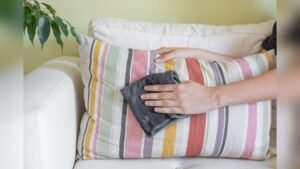
Are you looking to refresh your living space without spending a lot? Making your own pillow covers for throw pillows is an easy and fun way to add a personal touch to your home.
You don’t need to be an expert or have fancy tools. With simple steps and a bit of creativity, you can create beautiful covers that match your style perfectly. Keep reading, and you’ll discover how to turn plain pillows into eye-catching decor that will impress everyone who visits your home.

Credit: www.floursacktowels.com
Materials Needed
Gathering the right materials is the first step to making pillow covers for throw pillows. The quality and type of materials affect the final look and feel. It helps to prepare everything before starting.
Fabric Choices
Choose fabric that suits your style and room decor. Cotton is soft and easy to sew. Linen adds a natural, textured look. Velvet gives a rich, cozy feel. Canvas is durable for heavy use. Pick colors and patterns that match your space. Make sure the fabric is large enough for your pillow size plus extra for seams.
Tools Required
Basic sewing tools make the process smooth. A sewing machine saves time and creates strong seams. Scissors or rotary cutters help cut fabric precisely. Pins keep fabric pieces in place while sewing. Measuring tape ensures accurate fabric size. A seam ripper fixes small mistakes easily. A pencil or fabric chalk helps mark cutting lines.
Additional Supplies
Extra items complete your pillow cover project. Thread should match or complement your fabric color. Zippers or buttons close the covers neatly. Iron and ironing board press fabric flat and smooth seams. A cutting mat protects surfaces during fabric cutting. Stuffing or inserts fill the pillow cover for comfort and shape.

Credit: www.arloren.com
Measuring Your Pillow
Measuring your pillow correctly is the first step to making a perfect pillow cover. Accurate measurements help you cut the fabric right. This ensures the cover fits snugly without being too tight or loose. Take your time to measure carefully for best results.
Finding Pillow Dimensions
Start by measuring the length and width of your pillow. Use a soft tape measure for accuracy. Measure from one edge to the other, including the pillow’s thickness. Note down these numbers clearly. These dimensions form the base size for your pillow cover.
Adding Seam Allowance
Seam allowance is extra fabric added for sewing seams. Add about 1 inch (2.5 cm) to each side of your pillow’s length and width. This means adding 2 inches total to length and width measurements. This extra space helps you sew the cover without making it too small. Always include seam allowance before cutting your fabric.
Cutting The Fabric
Cutting the fabric is a key step in making pillow covers for throw pillows. This step sets the base for a perfect fit and neat finish. Taking your time here helps avoid mistakes and saves fabric. Accurate cutting ensures the pillow cover looks good and fits well.
Marking The Fabric
Start by laying your fabric flat on a clean surface. Use a ruler or measuring tape to measure the pillow size. Add extra space for seam allowance, usually about one inch. Mark the fabric with a fabric pencil or tailor’s chalk. Draw clear, straight lines to guide your cuts. Double-check the measurements before marking. This prevents cutting errors and fabric waste.
Cutting Tips
Use sharp fabric scissors for clean cuts. Cut slowly along the marked lines to stay precise. Avoid lifting the fabric too much while cutting. Keep the fabric flat to prevent uneven edges. Cut both front and back pieces in the same way. Keep the cut pieces together to avoid confusion. Clean edges help with easier sewing and better results.
Sewing The Pillow Cover
Sewing the pillow cover is the key step in making your throw pillow look neat and stylish. It holds the fabric together and shapes the cover to fit your pillow perfectly. You will create an opening at the back, stitch the edges, and finish the seams for a clean look.
Creating The Back Opening
Start by folding the fabric for the back opening. This allows easy removal of the pillow insert. Overlap the two fabric pieces about 5 to 6 inches. Pin the edges to hold them in place. Sew along the pinned edges, leaving the rest open. This creates a hidden flap for the pillow.
Stitching The Edges
Next, align all fabric edges with right sides facing each other. Pin around the perimeter, except the back opening. Sew a straight stitch around the edges, using a ½ inch seam allowance. Keep the stitches even and tight for durability. Remember to backstitch at the start and end to secure.
Finishing Seams
Trim excess fabric from the seams to reduce bulk. Use pinking shears or a zigzag stitch to stop fraying. Press the seams open with an iron for a flat finish. Turn the pillow cover inside out through the back opening. Push out the corners with a blunt tool for sharp edges.
Adding Closures
Adding closures to your pillow covers helps keep the pillow inside secure. It also makes removing the cover easy for washing. There are several closure options to choose from. Each offers a different look and level of convenience. Pick the one that fits your style and sewing skills.
Using Zippers
Zippers provide a clean and secure closure for pillow covers. They keep the pillow from slipping out. Sewing a zipper can seem hard but is quite simple with practice. Use a zipper foot on your sewing machine for best results. Choose a zipper color that matches the fabric for a neat look.
Velcro Options
Velcro is a quick and easy closure choice. It works well for those new to sewing. You just sew strips of Velcro on both fabric edges. Velcro allows fast removal and insertion of the pillow. It might not look as neat but offers great convenience.
Button Fastenings
Buttons add a classic and decorative touch to pillow covers. Sew buttonholes on one side and buttons on the other. Choose buttons that match or contrast with your fabric. Button closures allow the cover to open wide for easy pillow removal. They add charm and a handmade feel to your pillows.

Credit: salisburyfertilitycentre.nhs.uk
Ironing And Final Touches
Ironing and final touches give your pillow covers a neat, polished look. This step helps remove wrinkles and sets the fabric flat. A smooth cover makes your throw pillow look fresh and inviting. Paying attention to details improves the overall quality and feel.
Pressing The Cover
Set your iron to the fabric’s recommended heat. Use steam to ease out creases gently. Press the fabric flat without stretching it. Focus on seams and edges for a sharp finish. Let the fabric cool before moving to the next step.
Inserting The Pillow
Choose a pillow insert that fits snugly inside the cover. Slide the insert gently into the cover. Push it into the corners for a full shape. Smooth out any lumps or folds. A well-filled pillow looks plump and comfortable.
Decorative Elements
Consider adding buttons, ribbons, or trims to your cover. Sew them securely along the edges or corners. Keep decorations simple to match the pillow’s style. These touches add personality and charm. They make your pillow unique and eye-catching.
Care And Maintenance
Proper care keeps your pillow covers looking fresh and new. It helps maintain their color and fabric quality. Follow simple steps to clean and store them well. This extends their life and keeps your home cozy.
Washing Tips
Check the fabric label before washing. Use cold water to prevent shrinking or fading. Choose a gentle cycle on your machine. Use mild detergent for soft cleaning. Avoid bleach or harsh chemicals. Hand wash delicate covers for extra care. Air dry to keep fabric shape. Iron on low heat if needed.
Storage Advice
Store pillow covers in a cool, dry place. Avoid direct sunlight to stop color fading. Fold covers neatly to prevent wrinkles. Use breathable fabric bags for long-term storage. Keep away from moisture to avoid mold. Change covers seasonally for freshness. Rotate use to reduce wear.
Frequently Asked Questions
How Do I Choose Fabric For Throw Pillow Covers?
Select fabric based on durability, texture, and style. Cotton and linen are breathable and easy to sew. Velvet and silk add luxury but need careful handling. Consider the room’s decor and your sewing skill before choosing fabric.
What Are The Basic Tools Needed For Pillow Covers?
Basic tools include fabric scissors, sewing machine, pins, measuring tape, and thread. You’ll also need a zipper or buttons for closure. A fabric marker helps with cutting accuracy. These tools make the process easier and more precise.
How Do I Measure Throw Pillows For Covers?
Measure pillow length and width accurately with a tape. Add ½ inch on each side for seam allowance. This ensures a snug fit without being too tight or loose. Always double-check measurements before cutting fabric.
Can I Make Pillow Covers Without A Sewing Machine?
Yes, you can hand-sew pillow covers using a needle and thread. Use a strong stitch like backstitch for durability. Hand sewing takes longer but is perfect for beginners or quick fixes. Ensure even stitches for a neat finish.
Conclusion
Making pillow covers for throw pillows is simple and fun. You can choose fabrics that match your room style. Sewing your own covers saves money and lets you be creative. Try different colors and patterns for a fresh look. Enjoy the comfort and charm your handmade covers bring.
Keep practicing, and your skills will improve quickly. Now, your throw pillows will look unique and cozy every day.
As an Amazon Associate, I earn from qualifying purchases.