Are you tired of your artificial plants tipping over or shifting in their pots? Keeping them secure not only makes your space look neat but also protects your investment.
Whether you place them indoors or outdoors, a wobbly plant can be frustrating and messy. You’ll discover simple and effective ways to keep your artificial plants firmly in place. By the end, you’ll have easy tips that save you time and stress—making your home look flawless and your plants stay exactly where you want them.
Keep reading to learn how to secure your artificial plants like a pro!
Credit: www.thenavagepatch.com
Choose The Right Pot
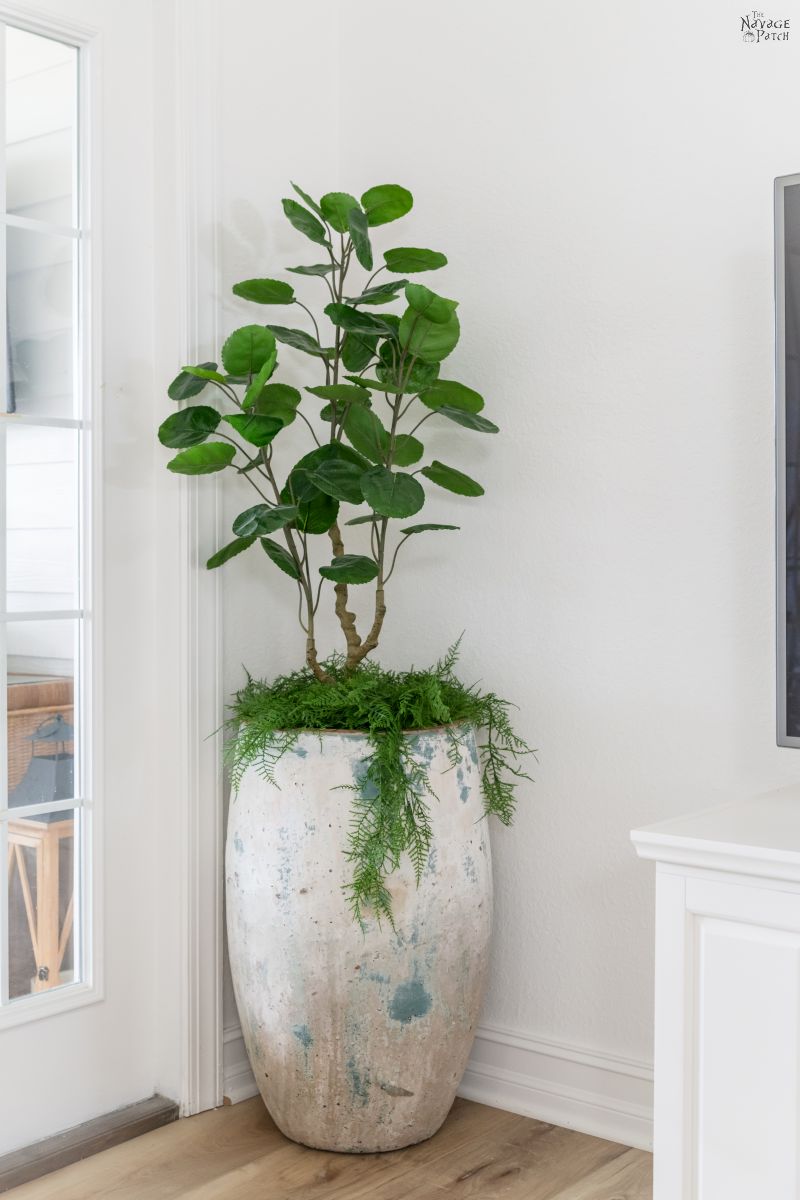
Choosing the right pot is key to secure artificial plants in place. The pot should support the plant’s weight and size well. It keeps the plant steady and prevents tipping. A well-chosen pot also adds to the plant’s beauty and fits the room’s style. Think about size, weight, and material before buying.
Size And Weight Considerations
The pot must be big enough for the plant’s base. A small pot can cause the plant to fall over. The pot’s weight helps keep the plant steady. Heavy pots work best for tall or large artificial plants. Light pots might need extra support, like stones or sand inside. Choose a pot that balances size and weight for stability.
Material Options
Pots come in many materials like plastic, ceramic, metal, and wood. Plastic pots are light and easy to move. Ceramic pots are heavier and more stable. Metal pots add a modern look but can be heavy. Wood pots offer a natural feel but may need protection from water. Pick a material that matches your décor and holds the plant firmly.
Select Stable Plant Bases
Selecting a stable base for your artificial plants is key to keeping them upright and safe. A solid foundation prevents tipping and protects surfaces. Stability also helps your plants look natural and neat. Choose bases that match the size and weight of your plant pots. This step ensures your plants stay put, even in busy or windy areas.
Weighted Bases For Balance
Weighted bases add extra heft to your plant pots. This weight stops the pots from falling over easily. Heavy bases work well for tall or top-heavy plants. They keep your artificial plants steady on shelves or tables. You can find bases made from materials like stone, metal, or thick plastic. These options give good support without much effort.
Flat Bottom Designs
Flat bottom designs provide a wide, even surface. This shape spreads the weight of the pot evenly. It reduces the chance of wobbling or tipping. Flat bottoms fit well on most floors and shelves. They work best on smooth, level surfaces. These designs make your artificial plants stable and secure.
Use Adhesive Techniques
Securing artificial plants in pots helps keep them stable and looking neat. Adhesive techniques provide a simple way to fix plants firmly in place. These methods work well with most pot types and plant bases. Using adhesives can prevent the plant from tipping over or moving around. It also keeps the arrangement tidy without extra tools.
Hot Glue Application
Hot glue is a strong adhesive that dries quickly. Apply a small amount of hot glue to the bottom of the plant stem or base. Press the plant firmly into the potting material or directly onto the pot’s surface. Hold it steady for a few seconds to let the glue set. Hot glue works best on plastic or fabric parts of artificial plants. Avoid using too much glue to keep the look natural. This method secures plants well, especially in decorative pots.
Double-sided Tape Tips
Double-sided tape offers a clean and easy way to fix plants. Cut small pieces of tape and stick them to the plant base or pot. Press the plant down firmly to ensure strong contact. This tape works well for lightweight plants and smooth pot surfaces. It does not leave visible marks and is easy to remove later. Use tape for quick fixes or when you want less permanent securing. This technique keeps plants stable without damage.
Credit: www.artiplanto.com
Secure With Foam Or Floral Clay
Securing artificial plants in pots keeps them steady and neat. Foam or floral clay works well to hold stems in place. These materials prevent wobbling and keep the arrangement looking fresh for a long time.
Using foam or clay also helps fill empty spaces. It stops plants from shifting during movement or cleaning. Both options are easy to shape and fit inside most pots.
Types Of Foam For Stability
Floral foam is the most common choice. It is lightweight and easy to cut. You can shape it to fit any pot size.
Another type is styrofoam. It is firm but less absorbent than floral foam. Styrofoam is good for dry arrangements.
High-density foam lasts longer and supports heavier plants. It keeps stems tightly in place without crushing them.
Molding Clay Around Stems
Floral clay is soft and molds easily. Press it around each stem for a strong hold.
Clay also fills gaps and hides the base of stems. This makes the pot look cleaner and more natural.
Use small pieces of clay to avoid damage. Let the clay dry completely to secure the plant firmly.
Add Decorative Fillers
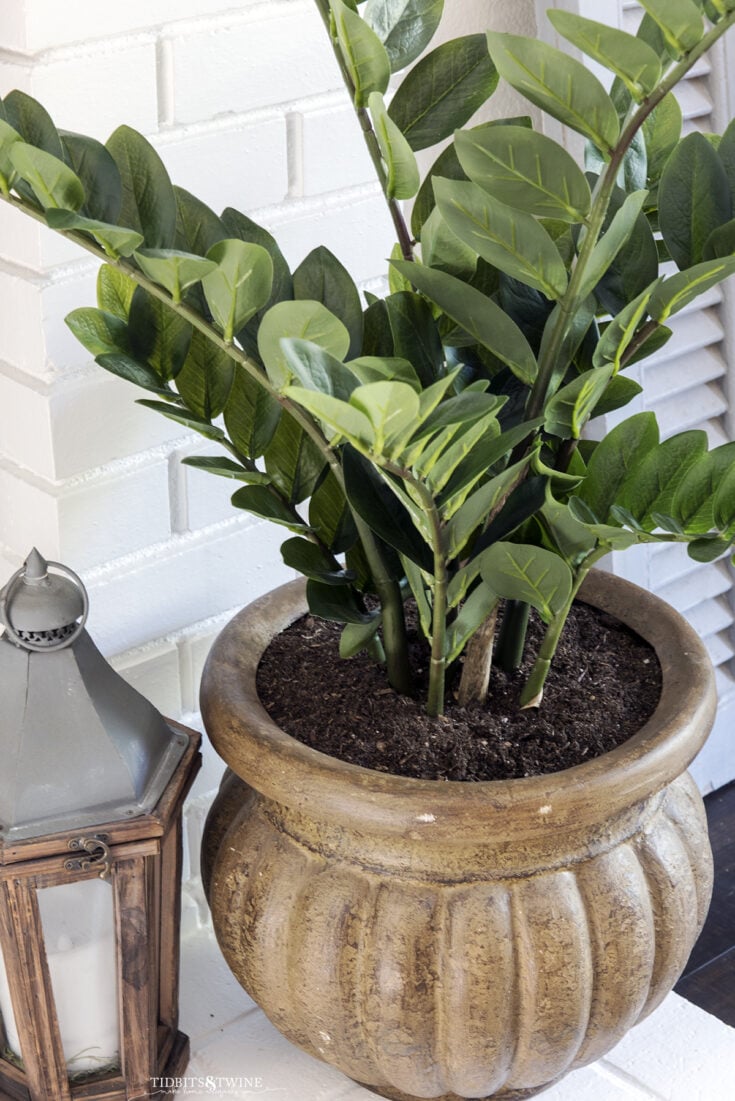
Adding decorative fillers is a smart way to secure artificial plants in pots. These fillers hold the plant base firmly in place. They also improve the pot’s look by covering the soil or foam. You can choose fillers that match your style and color scheme. This step helps keep your plant stable and adds a polished finish.
Pebbles And Stones
Pebbles and stones are popular fillers for artificial plants. They are heavy enough to keep the plant steady. Small pebbles cover the base and hide foam or wires. Stones come in many colors and shapes to fit your decor. Spread them evenly on top of the soil or foam. Pebbles also add a natural and clean look to your pot.
Moss And Sand
Moss and sand create a soft, natural look for your artificial plants. Moss covers the base and hides any supports. It adds a touch of green that looks fresh and lively. Sand is lightweight but can pack tightly to hold the plant. You can mix moss and sand for texture and color contrast. These fillers make the pot appear more realistic and neat.
Anchor With Wire Supports
Anchoring artificial plants in pots helps keep them steady and looking natural. Wire supports offer a simple way to secure stems and branches. These supports hold plants upright and prevent them from tipping over. Using wire allows for flexibility and strong support without damaging the plant.
Using Floral Wire
Floral wire is thin, flexible, and easy to shape. Wrap the wire gently around the plant stems. Twist the ends to fasten the wire securely. Insert the wire into the potting material or foam. This keeps the plant stable and upright. Choose a wire color that matches the plant stem for a neat look.
Hidden Support Strategies
Hide wires by placing them behind leaves or inside branches. Use green floral tape to cover the wire for better blending. Position wires deep in the pot to keep them out of sight. This makes the support invisible and keeps the display natural. Hidden wires make artificial plants look more real and tidy.
Placement For Longevity
Choosing the right spot for your artificial plants helps them stay beautiful longer. Proper placement keeps pots safe from damage and dirt. It also maintains the plant’s color and shape. Careful positioning avoids accidents and wear. This way, your artificial plants look fresh and neat for years.
Avoiding High Traffic Areas
Place artificial plants away from busy walkways. People or pets can bump into them easily there. Pots may fall or get scratched in crowded spots. Keep plants in calm corners or on shelves. This reduces chances of damage and keeps them clean.
Protecting From Wind And Pets
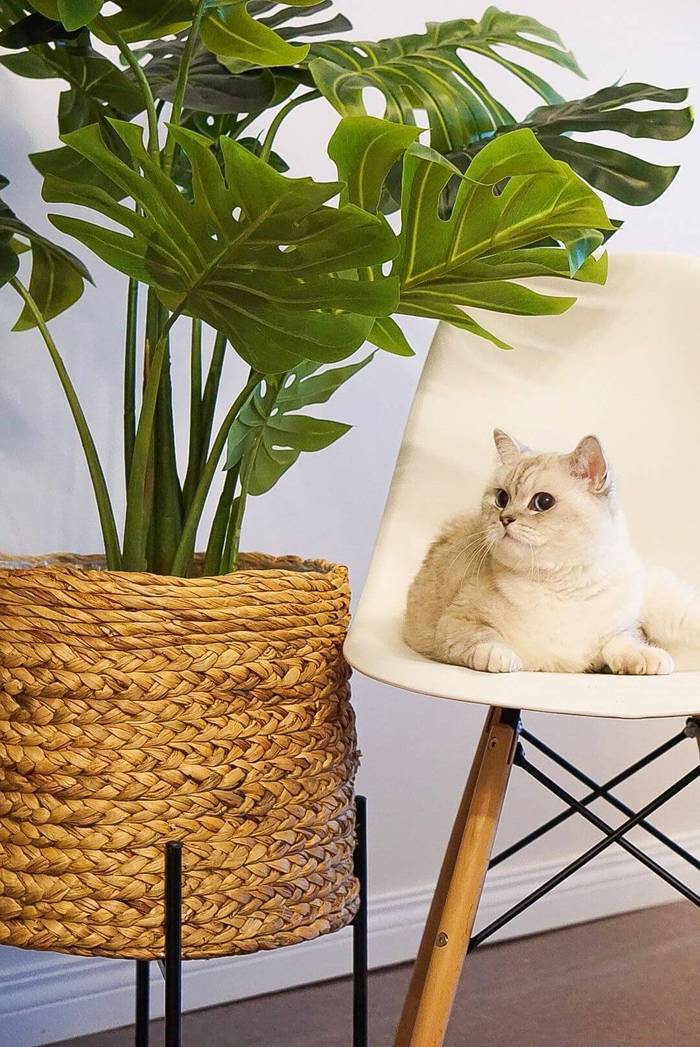
Strong wind can tip over pots or scatter leaves. Shield plants by placing them near walls or behind furniture. Pets may chew or knock over artificial plants. Put pots out of their reach or use heavier containers. This protects your plants and keeps pets safe.
Credit: www.tidbitsandtwine.com
Frequently Asked Questions
How Do I Secure Artificial Plants In Pots?
Use floral foam or foam blocks inside the pot to hold stems firmly. Add glue or wire for extra stability. This prevents movement and keeps the plant upright and neat.
What Materials Work Best To Anchor Artificial Plants?
Floral foam, sand, small stones, or pebbles are excellent anchors. They provide weight and hold the plant in place securely. Choose based on pot size and plant weight.
Can I Use Glue To Fix Artificial Plants In Pots?
Yes, hot glue or craft glue can secure stems in foam or soil. It offers a strong bond and keeps plants from shifting or falling over.
How To Prevent Artificial Plants From Tipping Over?
Use heavier pots or add weight at the base with stones or sand. Secure stems firmly with foam or wire to maintain balance and prevent tipping.
Conclusion
Securing artificial plants in pots keeps them stable and neat. Use stones, foam, or glue to hold plants firmly. Choose the right pot size for better support. Place plants away from strong winds or busy spots. Regular checks help keep plants in place and fresh.
These simple steps make your space look tidy and inviting. Enjoy your beautiful, well-secured artificial plants every day.
As an Amazon Associate, I earn from qualifying purchases.