Have you ever wondered if your plants can thrive without natural sunlight? Maybe you live in a place where sunlight is limited, or you want to grow plants indoors all year round.
The good news is, plants can grow under artificial light—but not all lights are created equal. Understanding how artificial light works for your plants can make the difference between a healthy green friend and a wilting disappointment. Keep reading to discover how you can give your plants the perfect light they need to flourish, no matter where you live.
Benefits Of Artificial Light For Plants
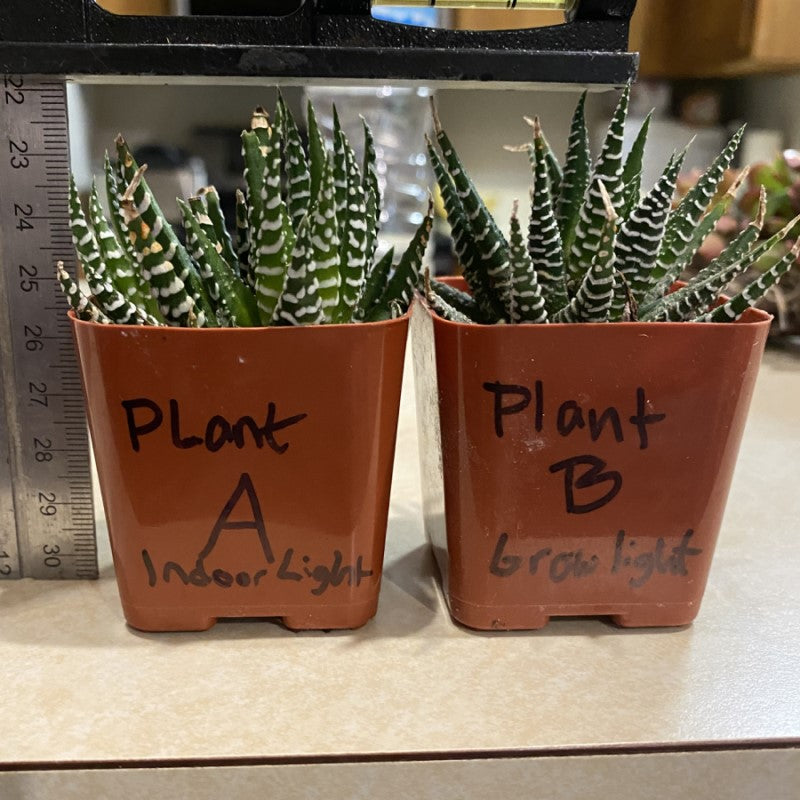
Artificial light offers many benefits for growing plants. It helps plants get enough light even without natural sunlight. This allows gardeners to grow plants indoors and in places with low sunlight. Using artificial light can improve plant health and growth.
Extended Growing Seasons
Artificial light lets plants grow all year long. No need to wait for spring or summer. This is great for places with short daylight hours. Plants can produce fruits and flowers beyond their normal season. It helps gardeners enjoy fresh plants anytime.
Controlled Light Intensity
With artificial light, you control how strong the light is. Plants need different light levels at different stages. Seedlings need less light, while mature plants need more. You can adjust the light to match plant needs. This control helps plants grow better and stay healthy.
Customizable Light Spectrum
Plants use different colors of light to grow. Artificial lights can provide specific colors like red and blue. Red light helps with flowering and fruiting. Blue light supports leaf growth. Customizing light color helps plants grow stronger and faster.
Credit: harddy.com
Types Of Artificial Light
Artificial light helps plants grow indoors where sunlight is limited. Different types of artificial lights offer various benefits and suit different plant needs. Choosing the right light type can improve plant health and growth. Here are the main types of artificial light used for growing plants.
Incandescent Bulbs
Incandescent bulbs produce warm light and are cheap to buy. They give off a lot of heat, which can harm plants. These bulbs use more energy and have a short lifespan. They are not the best choice for growing most plants.
Fluorescent Lights
Fluorescent lights are cooler and more energy-efficient than incandescent bulbs. They come in tubes or compact bulbs. These lights work well for seedlings and leafy plants. They provide a balanced spectrum of light for plant growth.
Led Grow Lights
LED grow lights use less energy and last longer than other bulbs. They produce specific light colors that plants need. LEDs stay cool, reducing the risk of burning plants. These lights are popular for all types of indoor gardening.
High-intensity Discharge Lamps
High-intensity discharge lamps include metal halide and high-pressure sodium types. They produce very bright light and support fast plant growth. These lamps use more electricity and generate heat. They are best for large indoor gardens or commercial use.
Choosing The Right Light For Your Plants
Choosing the right light for your plants is key to helping them grow well under artificial lighting. Plants need specific types of light to perform photosynthesis and stay healthy. Picking the correct light can boost growth, save energy, and make your plants thrive indoors.
Matching Light Spectrum To Plant Needs
Plants react differently to various light colors. Blue light supports leaf growth and strong stems. Red light helps flowers and fruits develop. Full-spectrum lights combine colors and suit many plants. Choose lights that match your plant’s natural needs for best results.
Considering Plant Growth Stages
Plants need different light during growth phases. Seedlings require more blue light to grow leaves. Flowering plants need more red light to bloom. Adjust your lighting as plants change. This helps them get the right energy at each stage.
Energy Efficiency And Cost
Choose lights that use less electricity to save money. LED lights last longer and use less power than other bulbs. They also produce less heat, protecting plants. Think about light cost and energy use before buying. This keeps your indoor garden affordable and green.

Credit: blancmagazine.com
Setting Up Artificial Lighting
Setting up artificial lighting for plants is a key step in indoor gardening. Proper light helps plants grow strong and healthy. It is important to place lights correctly, manage the time they stay on, and avoid problems like heat damage.
This section explains how to set up lights to help your plants thrive.
Optimal Distance From Plants
Place lights close enough to give plants enough brightness. Too far means weak light and slow growth. Too close can burn leaves. Keep LED lights 12 to 24 inches above plants. Fluorescent lights can be closer, about 6 to 12 inches. Adjust distance as plants grow.
Light Duration And Timing
Plants need light for energy. Most plants do well with 12 to 16 hours of light daily. Use a timer to keep light consistent. Turn lights off at night to let plants rest. Different plants may need more or less light. Check plant type for best timing.
Avoiding Heat Stress
Lights can produce heat that harms plants. Keep lights at a safe distance. Use fans or ventilation to cool the area. Watch leaves for signs of heat stress like curling or browning. Lower light power or increase distance if plants look stressed.
Common Challenges With Artificial Lighting
Artificial lighting helps plants grow indoors and in places with little sunlight. It lets people grow plants all year. Yet, using artificial light has some challenges. These problems can stop plants from growing well. Understanding these common issues helps you use artificial light better.
Overexposure And Light Burn
Too much light can harm plants. Overexposure causes light burn, which looks like brown or white spots. Leaves may curl or dry out. Plants need the right amount of light to stay healthy. Giving them too much light stresses them and slows growth.
Insufficient Light Intensity
Plants need enough light to make food through photosynthesis. Low light intensity means plants cannot grow strong. They may become tall and thin, with weak stems. Flowers and fruits might not develop well. Providing enough light intensity is key for healthy plants.
Balancing Light And Darkness
Plants need periods of light and darkness. Darkness helps plants rest and grow. Without enough dark time, plants can get stressed. This affects their growth and health. Setting a good light schedule helps plants thrive indoors.

Credit: myplantin.com
Tips For Thriving Greens Under Artificial Light
Growing plants under artificial light can be very effective. It needs the right care and attention for plants to thrive. Simple steps help plants get the light they need and stay healthy. These tips support strong growth and vibrant leaves.
Regular Monitoring And Adjustments
Check your plants often to see how they respond to light. Watch for signs like yellow leaves or slow growth. Move lights closer or farther to find the best spot. Change light hours based on plant needs. Small changes make a big difference.
Combining Natural And Artificial Light
Use natural sunlight along with artificial light when possible. Place plants near windows to catch some daylight. Artificial light fills in when sun is weak or not enough. This mix helps plants get balanced light all day.
Using Reflective Surfaces
Put shiny or white surfaces around plants to bounce light back. Reflective walls or foil can increase light without extra bulbs. This trick spreads light evenly on all leaves. It helps plants grow better and saves energy.
Frequently Asked Questions
Can Plants Grow Well Under Artificial Light?
Yes, plants can grow well under artificial light. Proper light spectrum and duration are key for healthy growth. LED grow lights are popular for indoor gardening.
What Types Of Artificial Light Support Plant Growth?
LED, fluorescent, and incandescent lights support plant growth. LED lights are most efficient and provide the full spectrum plants need.
How Long Should Artificial Light Be Used Daily?
Most plants need 12 to 16 hours of artificial light daily. This mimics natural sunlight and supports photosynthesis effectively.
Are All Plants Suitable For Artificial Light Growth?
Not all plants thrive equally under artificial light. Low-light plants do better indoors, while some require stronger light for optimal growth.
Conclusion
Plants can grow well under artificial light. It helps them get energy like sunlight. Different lights work for different plants. You can control how long and bright the light is. This control helps plants grow indoors any time. Artificial light makes gardening easier in small spaces.
It supports healthy leaves, flowers, and fruits. With the right light, plants stay green and strong. Growing plants indoors is possible and rewarding. Try using artificial light to help your plants thrive.
As an Amazon Associate, I earn from qualifying purchases.