Have you ever wondered if your plants can thrive without natural sunlight? Maybe you live in a space with little window light or want to grow plants indoors all year round.
The good news is, plants can grow with artificial light—but not all lights are the same, and knowing how to use them can make a huge difference for your green friends. You’ll discover how artificial light affects plant growth, which types work best, and simple tips to help your plants flourish no matter where you place them.
Keep reading to unlock the secret to a vibrant indoor garden!
Benefits Of Artificial Light
Artificial light helps plants grow in many ways. It supports healthy growth even without sunlight. This lighting is useful for indoor gardens and places with little natural light. Plants get the energy they need to make food. This boosts their growth and keeps them strong.
Using artificial light gives gardeners more control over plant care. It allows growing plants anytime and anywhere. This leads to better results and more harvests throughout the year.
Extended Growing Seasons
Artificial light lets plants grow beyond natural seasons. It provides light during short days or winter months. This means gardeners can start planting earlier. They can also grow crops later in the year. This extends the time plants produce food or flowers.
Control Over Light Spectrum
Plants need different types of light for growth stages. Artificial light can be adjusted to give the right colors. Blue light helps leaves grow strong. Red light supports flowering and fruiting. This control improves plant health and yield.
Energy Efficiency Options
Modern grow lights use less electricity. LED lights are popular for saving energy. They last longer and produce less heat. This reduces costs and keeps plants safe from burning. Energy-efficient lights make indoor gardening easier and cheaper.

Credit: www.wikihow.com
Types Of Artificial Lights
Plants can grow well with different types of artificial lights. Each light type offers unique benefits for plant growth. Choosing the right light depends on the plant’s needs and the grow space.
Understanding the common types of artificial lights helps in making the best choice. Here are three popular types used for growing plants indoors.
Fluorescent Lights
Fluorescent lights are cost-effective and easy to find. They produce low heat, so plants stay safe. These lights work well for seedlings and leafy greens. Fluorescent tubes and compact bulbs are common forms. They use less energy than some other lights. Plants grow slowly but steadily under fluorescent light.
Led Grow Lights
LED grow lights are energy-efficient and last long. They produce light in specific colors plants need most. Red and blue lights support photosynthesis best. LEDs stay cool, reducing heat damage risks. You can find LED lights in many sizes and shapes. They offer strong light for faster plant growth.
High-intensity Discharge Lights
High-Intensity Discharge (HID) lights give very bright light. They include metal halide and high-pressure sodium bulbs. These lights are great for large plants and flowering stages. HID lights produce more heat, so ventilation is important. They use more energy but boost growth speed. Many serious growers prefer HID for strong results.
Light Spectrum And Plant Growth
Light plays a key role in how plants grow. Plants use light to make food through photosynthesis. Different colors of light affect plant growth in different ways. The light spectrum includes many colors, but blue and red light are most important for plants. Understanding these colors helps us grow plants under artificial light.
Role Of Blue Light
Blue light helps plants grow strong leaves and stems. It controls how plants open their leaves. Plants exposed to blue light grow compact and healthy. This light also helps plants use water well. Blue light is important during the early growth stages.
Role Of Red Light
Red light helps plants make flowers and fruit. It supports photosynthesis by providing energy. Red light affects how tall plants grow. It works well with blue light to improve growth. Plants need red light for longer periods to bloom well.
Full Spectrum Lighting
Full spectrum lights include all colors of light plants need. These lights mimic natural sunlight. They help plants grow evenly and stay healthy. Full spectrum lighting supports all growth stages from seedling to harvest. Using full spectrum light improves plant yield and quality.
Setting Up Artificial Lighting
Setting up artificial lighting is key for healthy plant growth indoors. Proper light helps plants make food and grow strong. Getting the setup right means choosing the right distance, duration, and intensity of light. These factors affect how well your plants will thrive under artificial lights.
Distance From Plants
Keep lights close enough to reach the plants. Too far means weak light and slow growth. Too close can burn leaves or dry out plants. Most plants do well with lights 6 to 12 inches away. Adjust distance based on light type and plant needs.
Duration Of Light Exposure
Plants need a set time of light each day. Most indoor plants grow best with 12 to 16 hours of light daily. Too little light slows growth. Too much can stress plants and waste energy. Use timers to keep light consistent and steady for best results.
Light Intensity And Coverage
Light intensity matters for photosynthesis. Brighter light helps plants grow faster and stronger. Use bulbs designed for plant growth for best results. Cover the whole plant area evenly. Avoid dark spots where plants get less light. Proper coverage helps all leaves get enough light.
Plant Types And Lighting Needs
Plants need light to grow. Different types of plants have different light needs. Some plants do well with artificial light. Others need more natural sunlight. Knowing these needs helps plants stay healthy indoors. Artificial light can support many plants if used correctly.
Leafy Greens
Leafy greens like lettuce and spinach grow well under artificial light. They need moderate light to make food through photosynthesis. Cool white or full-spectrum LED lights work best. These plants grow fast and need 12 to 16 hours of light each day. Artificial light helps keep their leaves green and fresh.
Flowering Plants
Flowering plants like orchids and African violets need more light. Bright, full-spectrum lights support their blooming. These plants need about 14 to 18 hours of light daily. Light quality affects flower size and color. Artificial light helps them bloom indoors where sunlight is weak.
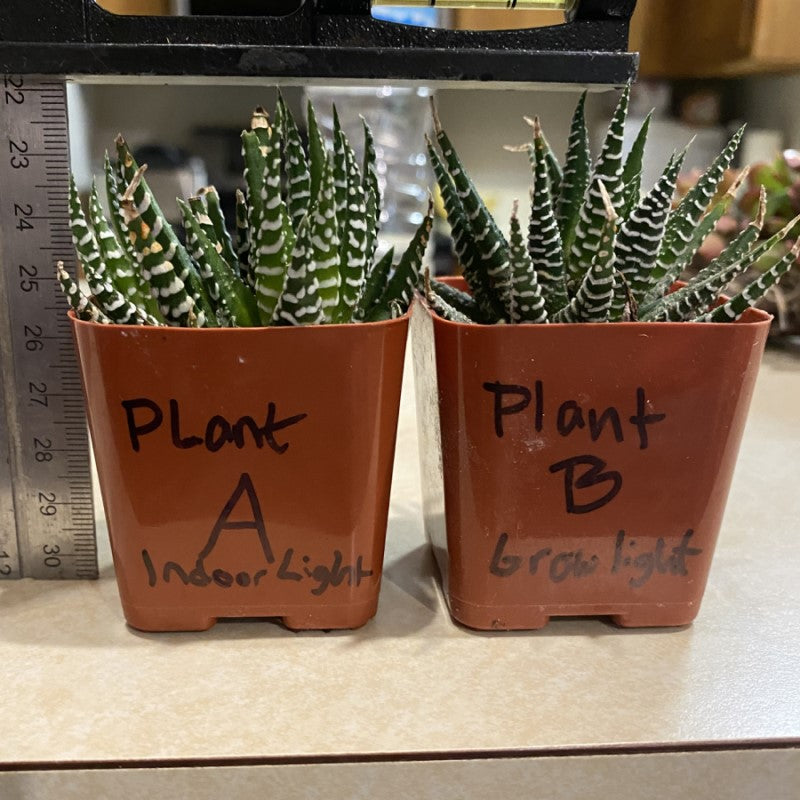
Succulents And Cacti
Succulents and cacti need bright light but less time. They prefer strong light for 8 to 12 hours a day. LED grow lights with red and blue spectrum suit them well. These plants store water and grow slowly. Artificial light keeps their shape and color vibrant inside homes.
Credit: harddy.com
Common Challenges With Artificial Light
Growing plants with artificial light is possible but comes with some common challenges. These problems can affect plant health and growth. Understanding these issues helps in providing better care for your plants.
Overheating Issues
Artificial lights, especially older types, can produce a lot of heat. This heat can dry out soil and burn leaves. Plants may wilt or stop growing if it gets too hot. Proper distance between the light and plants is important. Using LED lights can reduce heat problems.
Light Burn Symptoms
Too much light can harm plants. Leaves may turn yellow or brown at the edges. Spots or holes on leaves also show light burn. Plants under strong light for long periods suffer damage. Adjusting light intensity and time helps prevent this issue.
Energy Costs
Running artificial lights for plants can increase electricity bills. High-wattage bulbs use more power and cost more. Using energy-efficient lights saves money. Timers can control light duration, lowering energy use. Balancing light needs and costs is key for indoor gardening.
Maximizing Growth With Artificial Light
Maximizing plant growth with artificial light needs careful planning. Plants need the right light to grow strong and healthy. Using artificial light can help plants grow better, especially indoors or in low sunlight areas. Understanding how to use this light well makes a big difference.
Combining Natural And Artificial Light
Plants grow best with natural sunlight. Artificial light can fill gaps when sunlight is not enough. Use artificial light to extend daylight hours for your plants. This mix helps plants get the energy they need. It also keeps growth steady and healthy.
Adjusting Light Based On Growth Stage
Plants need different light at different growth stages. Seedlings need gentle light to start growing. Mature plants need stronger light to produce leaves and flowers. Change the light intensity and duration as plants grow. This adjustment supports healthy development and better yields.
Monitoring Plant Health
Check plants often to see how they respond to light. Look for signs like leaf color and growth speed. Yellow leaves or slow growth can mean too much or too little light. Adjust light settings to keep plants healthy. Regular monitoring helps avoid problems early.

Credit: www.reddit.com
Frequently Asked Questions
Can Plants Grow Healthily Under Artificial Light?
Yes, many plants grow well with artificial light. Proper light spectrum and duration help photosynthesis effectively indoors or without sunlight.
What Types Of Artificial Light Suit Plant Growth?
LED grow lights and fluorescent lights suit plant growth best. They provide essential light wavelengths for photosynthesis and healthy development.
How Long Should Plants Be Exposed To Artificial Light?
Plants generally need 12-16 hours of artificial light daily. This mimics natural sunlight duration and supports optimal growth and flowering.
Does Artificial Light Affect Plant Size And Yield?
Artificial light can enhance plant size and yield if intensity and spectrum meet plant needs. It supports energy production and growth cycles.
Conclusion
Plants can grow well under artificial light. This light gives them the energy they need. Choosing the right type and strength helps plants stay healthy. Artificial light works best when used for the right hours each day. Many people grow plants indoors this way.
It offers control over growing conditions. With care and the right setup, plants thrive without sunlight. This method suits homes, offices, and places without natural light. Growing plants with artificial light is both practical and effective. Try it and see your plants grow strong.
As an Amazon Associate, I earn from qualifying purchases.