Have you ever wondered if artificial light can really help your plants grow? You might think plants only thrive under natural sunlight, but what if your space doesn’t get enough?
Understanding how artificial light affects your plants can change the way you care for them. Keep reading to discover the surprising truth about artificial light and how it could boost your plant’s health and growth. This knowledge might be exactly what your green friends need to thrive!
Credit: harddy.com
Types Of Artificial Light For Plants
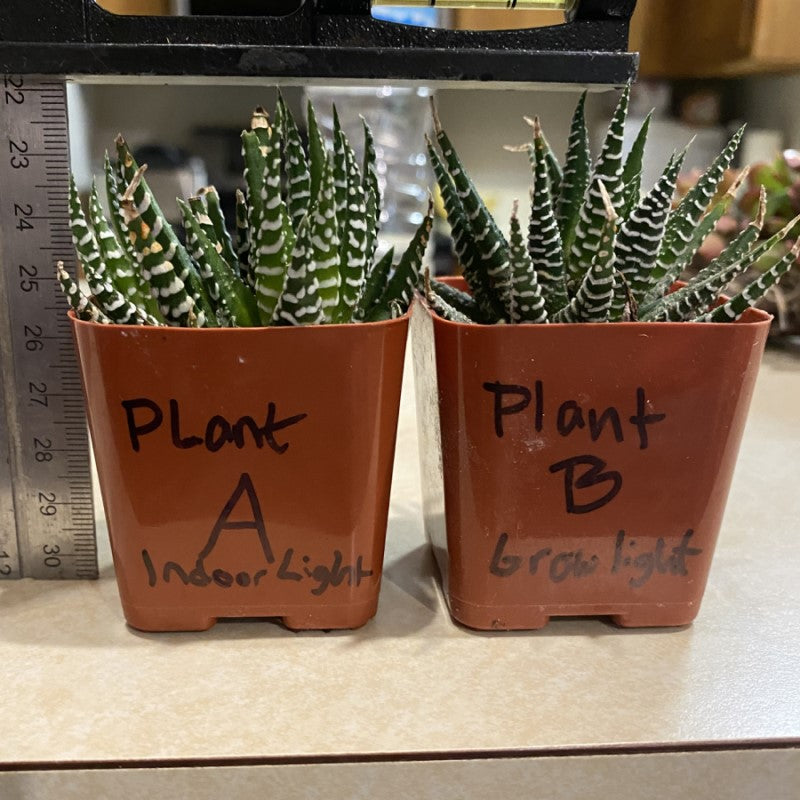
Plants need light to grow. Natural sunlight is best, but artificial light can help too. Different types of artificial light work better for different plants and settings. Choosing the right light can improve plant health and growth.
Incandescent Bulbs
Incandescent bulbs produce warm light. They give off a lot of heat but less useful light for plants. These bulbs use more energy and do not last long. They are not the best choice for growing plants indoors.
Fluorescent Lights
Fluorescent lights are cooler and use less energy. They provide a balanced light spectrum that plants like. These lights are affordable and good for seedlings and leafy plants. They come in tubes or compact shapes for different spaces.
Led Grow Lights
LED grow lights are energy-efficient and last long. They offer specific light colors that plants need. These lights produce little heat, so plants stay safe. LEDs are popular for all types of indoor gardening.
High-intensity Discharge Lamps
High-intensity discharge lamps give very bright light. They work well for large plants or greenhouses. These lamps use more power and create heat. They include metal halide and high-pressure sodium types.
How Artificial Light Supports Plant Growth
Artificial light helps plants grow when natural sunlight is not enough. It gives plants the energy they need to live and thrive. Using artificial light, gardeners can control the amount and type of light plants receive. This control supports healthy growth all year round.
Plants use light to make food and grow strong. Different lights affect plants in unique ways. Understanding these effects helps to choose the right light for each plant.
Photosynthesis And Light Spectrum
Plants use light for photosynthesis, turning light into food. Not all light is equal. Blue and red light are most useful for plants. Blue light helps leaves grow, while red light helps flowers and fruits. Artificial lights can provide the right colors plants need.
Choosing lights with the correct spectrum boosts plant health. This means plants get energy similar to sunlight. Special grow lights focus on these colors for better growth.
Light Duration And Intensity
Plants need light for many hours daily. The time plants spend in light is called the photoperiod. Artificial lights allow control over this time. Some plants need long light periods, others need less.
Light intensity is also important. Too little light slows growth. Too much light can damage plants. Artificial lights can be adjusted to the right strength. This balance helps plants grow well indoors.
Effect On Plant Development Stages
Plants change their light needs at different stages. Seedlings need more blue light to grow strong leaves. Flowering plants need more red light to bloom. Artificial light can change to fit each stage.
Controlling light helps plants grow faster and healthier. It supports roots, leaves, flowers, and fruits. This control makes indoor gardening more successful.
Benefits Of Using Artificial Light
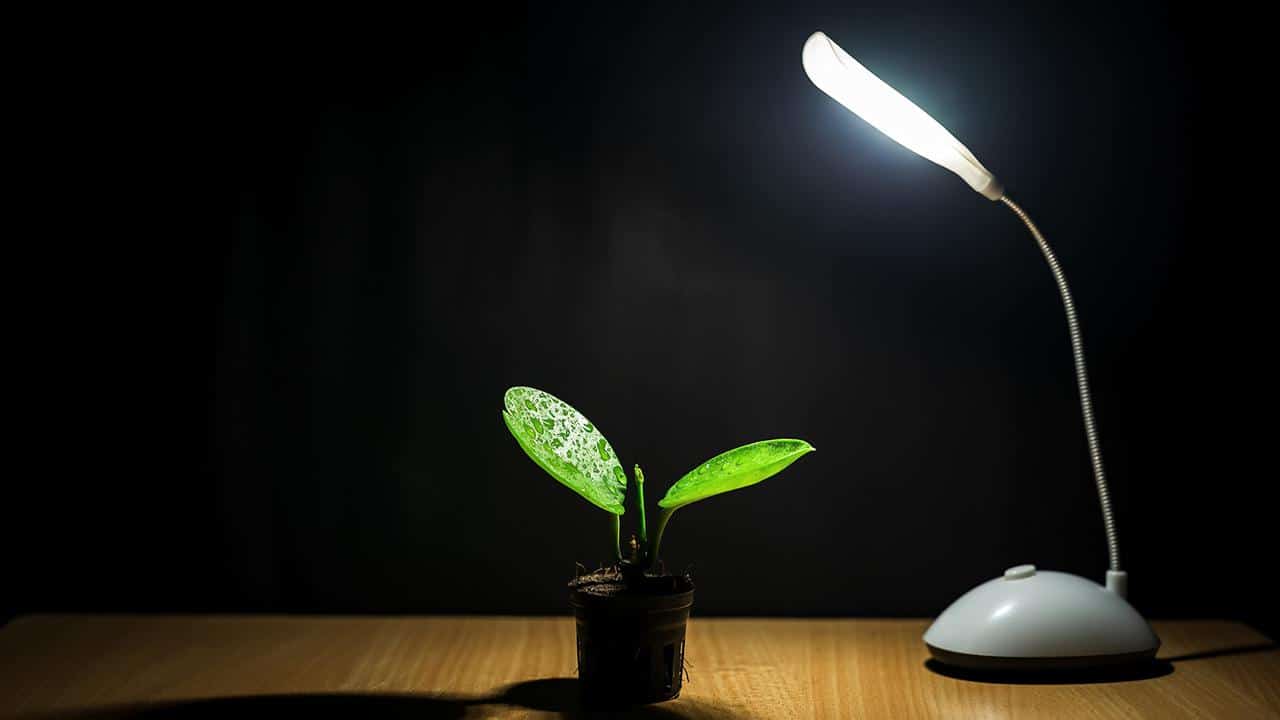
Using artificial light for plants offers many benefits. It helps plants grow better and stay healthy. Artificial light gives plants the light they need, even when sunlight is weak or not available.
This method allows gardeners to have more control over plant growth. It can improve plant health and increase the yield of fruits and flowers. Artificial light also helps grow plants in places without natural sunlight.
Extended Growing Seasons
Artificial light lets plants grow beyond natural seasons. It keeps plants healthy during winter or cloudy days. Gardeners can grow plants all year without worrying about weather changes. This means fresh vegetables or flowers anytime.
Enhanced Growth In Indoor Settings
Indoor plants need more light than usual. Artificial light gives them the right amount and type of light. It helps plants grow strong and green inside homes or offices. This method supports plants that do not get enough sunlight indoors.
Control Over Light Cycles
Artificial light allows control over how long plants get light. Gardeners can set light periods to match plants’ needs. This control helps plants grow faster and bloom better. It also helps with plants that need specific light cycles to thrive.
Credit: www.ecowatch.com
Potential Downsides Of Artificial Light
Artificial light helps plants grow indoors and in places without enough sunlight. Yet, it is not perfect. Using artificial light has some downsides. These issues affect the environment, energy costs, and plant health. Understanding these problems is important for better plant care and saving resources.
Energy Consumption
Artificial lights need electricity to work. This means using more energy in homes or greenhouses. High energy use raises electricity bills. It also increases the demand for power plants, which may burn fossil fuels. This adds more pollution to the air. Choosing energy-efficient lights can help reduce this problem.
Light Pollution
Artificial lights can cause light pollution. This means extra light spreads into the night sky. It affects nearby plants and animals that depend on darkness. Light pollution can confuse insects and birds. It may also disturb human sleep patterns. Using lights only when needed can reduce light pollution.
Heat Generation Issues
Some artificial lights produce a lot of heat. This heat can harm plants by drying them out or burning leaves. It also raises the temperature in small indoor spaces. Plants may need more water to stay healthy. Using cooler, LED lights helps control heat problems and keeps plants safe.
Choosing The Right Light For Your Plants
Choosing the right light for your plants is key to their health and growth. Different plants need different types of light to thrive. The right light helps plants make food and grow strong. Understanding what light your plants need can save energy and money. It also makes your indoor garden more successful.
Matching Light Spectrum To Plant Needs
Plants use light in different colors for growth. Blue light helps leaves grow thick and healthy. Red light encourages flowers and fruits to develop. Full spectrum lights provide a mix of colors. This type of light works well for many plants. Choose a light that fits the plants you have.
Considering Plant Types And Growth Stages
Different plants need different light levels. Seedlings need gentle light to start growing. Mature plants need stronger light to stay healthy. Flowering plants need more red light to bloom. Leafy plants need more blue light for leaves. Adjust your light based on your plant’s stage.
Balancing Cost And Efficiency
Energy-efficient lights save money over time. LED grow lights use less electricity than other types. They last longer and produce less heat. Choose lights with good energy ratings to cut costs. Balance your budget with your plants’ needs for best results.
Credit: extension.missouri.edu
Tips For Using Artificial Light Effectively
Using artificial light can help plants grow well inside your home or office. To get good results, you need to use the light in the right way. The following tips will help you give your plants the right amount of light and keep them healthy.
Optimal Distance And Placement
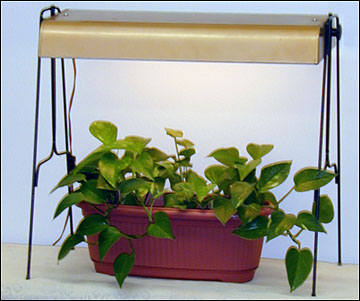
Place the light at the right distance from your plants. Too close can burn leaves. Too far means the light is weak. Most plants do well with light about 12 to 24 inches away. Adjust the height based on the plant’s size and type.
Keep lights above the plants, not from the side. This mimics natural sunlight. Change the light position as the plant grows to cover all leaves evenly.
Setting Light Schedules
Plants need light and dark periods to grow well. Set a timer to give plants 12 to 16 hours of light each day. Let them rest in the dark for 8 to 12 hours. This cycle helps plants make food and grow strong.
Keep the light schedule the same every day. Sudden changes can stress plants and slow growth.
Monitoring Plant Responses
Watch your plants closely. Check leaf color and growth speed. Pale or yellow leaves may mean too much light. Slow growth or leaning toward the light shows not enough light.
Change light distance or time based on your observations. Healthy plants have bright green leaves and grow evenly.
Frequently Asked Questions
Can Artificial Light Replace Natural Sunlight For Plants?
Artificial light can partially replace sunlight for plants, especially indoors. However, natural sunlight provides a full spectrum of light vital for optimal growth. Combining both often yields the best results for healthy plants.
What Types Of Artificial Light Are Best For Plants?
LED grow lights are the most efficient and popular for plants. They offer tailored light spectrums, low heat emission, and energy efficiency. Fluorescent and incandescent lights are less effective and can waste energy.
How Long Should Plants Be Exposed To Artificial Light?
Most plants need 12-16 hours of artificial light daily. This duration mimics natural daylight cycles and supports photosynthesis. Overexposure can stress plants, so providing a dark period is important.
Does Artificial Light Affect Plant Growth Speed?
Yes, artificial light can accelerate plant growth by providing consistent light. Proper light intensity and spectrum promote photosynthesis and development. However, quality and duration of light are crucial factors.
Conclusion
Artificial light helps plants grow when natural light is limited. It provides the energy plants need to make food. Different plants need different light types and amounts. Using the right light can improve plant health and growth. Too much light can harm plants instead of helping.
Choosing the correct light and timing matters a lot. Artificial light can be a useful tool for indoor gardening. It supports plants but does not replace sunlight completely. Understanding how to use it well leads to better results.
As an Amazon Associate, I earn from qualifying purchases.