Have you ever wondered if your plants can thrive without natural sunlight? Maybe you live in a place with limited daylight, or you want to grow greenery indoors year-round.
The good news is, plants can use artificial light—but not all light is the same. Understanding how artificial light works for your plants can make the difference between a wilting mess and a lush, healthy garden. Keep reading to discover how to give your plants the light they need, no matter where you live or how much sun you get.
How Plants Use Light
Plants need light to grow and live. Light helps plants make food. This food gives plants energy to grow strong and healthy. Understanding how plants use light helps us care for them better.
Photosynthesis Basics
Plants turn light into energy through a process called photosynthesis. They absorb light with special parts called chlorophyll. This light energy changes water and carbon dioxide into sugar and oxygen. The sugar feeds the plant, and oxygen goes into the air.
Light is a key part of photosynthesis. Without enough light, plants cannot make enough food. This slows their growth and health.
Natural Vs Artificial Light
Sunlight is natural light and best for plants. It has all the colors plants need to grow well. Natural light changes during the day, giving plants a natural rhythm.
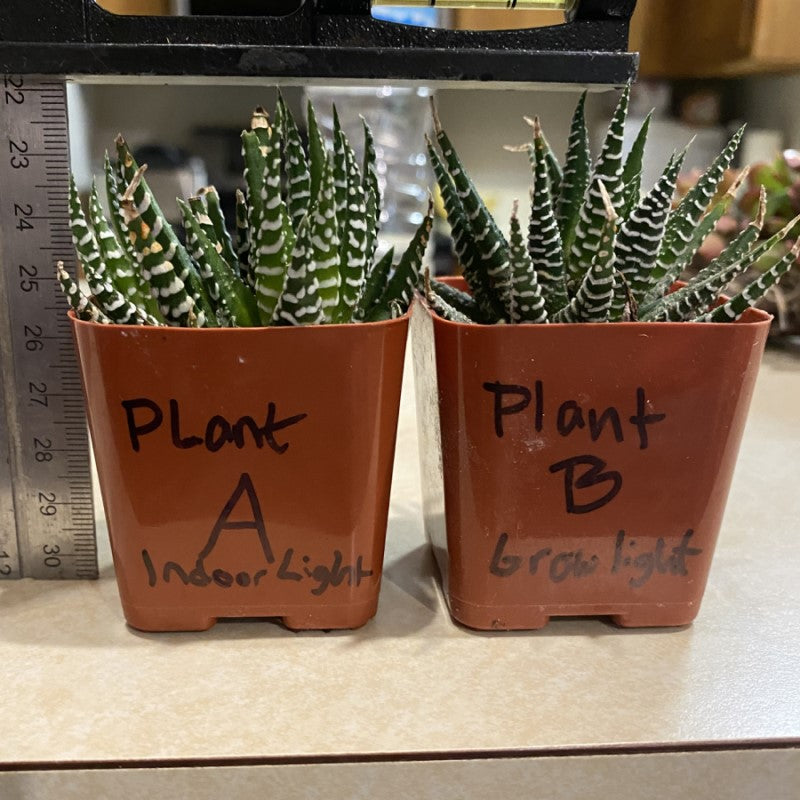
Artificial light can also help plants grow. It can provide light when sunlight is not enough. Some artificial lights are made to give the right colors for plants. But not all artificial lights work well for photosynthesis.
Plants can use artificial light, but it must be the right type and amount. Too little light or the wrong color can hurt plant growth.
Credit: harddy.com
Types Of Artificial Light
Plants need light to grow, and artificial light can help. Different types of artificial light affect plants in different ways. Understanding these types helps you choose the best light for your plants. Each type has its own strengths and weaknesses. Some are more energy-efficient, while others provide better light quality.
Led Grow Lights
LED grow lights are popular for indoor gardening. They use less energy and last a long time. These lights give off specific colors that plants need. Red and blue wavelengths help plants grow leaves and flowers. LEDs produce little heat, so plants do not get burned. They are easy to set up and control.
Fluorescent Lamps
Fluorescent lamps are common for seedlings and low-light plants. They give off a cool, white light that plants like. These lamps use more energy than LEDs but less than incandescent bulbs. Fluorescent lights produce moderate heat. They work well for small spaces and short growth cycles.
Incandescent Bulbs
Incandescent bulbs are the least efficient option. They produce a lot of heat and use more electricity. The light spectrum is not ideal for plant growth. These bulbs are cheap but can harm plants if too close. Best for temporary use or small plants only.
Light Spectrum And Plant Growth
Plants need light to grow. The light spectrum plays a big role in their health. Different colors of light affect plants in various ways. Understanding this helps gardeners use artificial light effectively.
Light is made up of many colors. Each color has its own wavelength. Plants use these wavelengths for photosynthesis and growth. Not all light is equal for plants.
Blue Light Effects
Blue light is important for plant leaves and stems. It helps plants grow strong and stay compact. This light encourages chlorophyll production. Without enough blue light, plants can become tall and weak.
Red Light Benefits
Red light helps plants bloom and produce fruit. It influences flowering and seed growth. Red light works best when combined with blue light. Alone, it may cause plants to grow too tall.
Full Spectrum Advantages
Full spectrum light mimics natural sunlight. It includes all colors plants need. This light supports every growth stage. Using full spectrum light creates healthier, balanced plants indoors.
Optimizing Indoor Light Conditions
Optimizing indoor light conditions helps plants grow well under artificial light. Proper light setup ensures plants get enough energy for photosynthesis. It also supports healthy growth and blooming indoors. Understanding light intensity, distance, and timing improves plant health significantly.
Light Intensity And Duration
Plants need the right light intensity to grow strong. Too little light makes plants weak and slow. Too much light can burn leaves and cause stress. Most indoor plants do well with moderate light levels. Duration also matters. Plants usually need 12 to 16 hours of light daily. This amount supports photosynthesis and growth. Adjust intensity and duration based on plant type.
Distance From Light Source
Distance affects how much light plants receive. Placing lights too close can cause heat damage. Too far means plants get too little light. A good rule is to keep lights 12 to 24 inches away. This distance varies by light type and plant species. Check your plants regularly to adjust the distance as they grow.
Timing And Photoperiods
Plants follow natural light cycles called photoperiods. These cycles tell plants when to grow or rest. Some plants need long light periods, others short. Mimic natural day and night lengths for best results. Use timers to control light periods easily. Consistent timing helps plants bloom and stay healthy indoors.
Common Indoor Plant Responses
Indoor plants react differently to artificial light compared to natural sunlight. They show clear signs in their growth and appearance. Understanding these signs helps you care better for your plants.
Artificial light can change how fast a plant grows, the color and size of its leaves, and even its ability to flower or fruit. These changes depend on the type and amount of light the plant receives.
Growth Rate Changes
Many indoor plants grow slower under artificial light than natural light. The light intensity is often lower indoors. Plants may stretch or become leggy as they reach for the light source. Some plants adapt well and keep growing steadily. Others may stop growing or lose their shape.
Leaf Color And Size
Leaf color can change with artificial light. Some leaves become paler or yellowish. This happens when the light lacks certain colors plants need. Leaf size may also shrink if the light is too weak. Bright, full-spectrum lights help leaves stay green and healthy. Dull or uneven light can cause leaves to drop or curl.
Flowering And Fruiting
Artificial light affects flowering and fruiting cycles. Plants need specific light lengths to bloom. Some may flower late or not at all indoors. Others might bloom more often with the right light setup. Fruit production may slow down or stop without enough light. Proper light timing and intensity support healthy flowers and fruits.
Credit: www.nexsel.tech
Challenges Of Artificial Lighting
Artificial lighting helps plants grow indoors or in places without enough sunlight. It provides light that plants need for photosynthesis. Yet, using artificial light has several challenges. These challenges affect how well plants grow and how easy it is to use artificial lights.
Energy Consumption
Artificial lights use electricity to work. Some lights consume a lot of energy. High energy use means higher electricity bills. It also increases the environmental impact. Choosing energy-efficient lights can reduce these problems. Still, energy use is a key challenge for many growers.
Heat Production
Lights produce heat while shining. Too much heat can harm plants. It can dry leaves and soil quickly. Heat can also change the room’s temperature. Managing heat is important to keep plants healthy. Special lights that produce less heat help reduce this issue.
Light Distribution
Light must reach all parts of the plant. Uneven light causes some leaves to get less light. This slows down plant growth and reduces yield. Proper light placement is necessary. Using reflectors or multiple light sources can improve light spread.
Best Practices For Indoor Gardening
Indoor gardening is a great way to grow plants all year round. Plants need light to grow, and artificial light can help when natural sunlight is not enough. Using the right light and care methods can make your indoor garden thrive.
Choosing The Right Light
Plants need different types of light depending on their growth stage. Blue light helps with leaf growth. Red light supports flowering and fruiting. Full-spectrum LED lights mimic natural sunlight well. They save energy and last long. Avoid lights that produce too much heat. They can harm the plants.
Monitoring Plant Health
Watch your plants closely. Leaves turning yellow or brown can mean too much or too little light. Slow growth may show light is weak. Check soil moisture and temperature too. Healthy plants have bright green leaves and steady growth. Adjust care based on how your plants look.
Adjusting Light Setup
Change light height as plants grow. Keep lights 6 to 12 inches above small plants. Raise lights to prevent burning bigger plants. Use timers to give plants 12 to 16 hours of light daily. Turn lights off at night to mimic natural cycles. Move plants if they lean toward the light.

Credit: www.wikihow.com
Frequently Asked Questions
Can Plants Grow Under Artificial Light?
Yes, plants can grow well under artificial light. Specific light types mimic sunlight, supporting photosynthesis and healthy growth indoors.
What Artificial Light Is Best For Plant Growth?
LED grow lights are best as they provide full-spectrum light. They are energy-efficient and promote strong plant development.
How Long Should Plants Be Exposed To Artificial Light?
Plants generally need 12-16 hours of artificial light daily. This duration supports optimal photosynthesis and growth cycles indoors.
Can Artificial Light Replace Natural Sunlight For Plants?
Artificial light can effectively replace sunlight for indoor plants. Proper light spectrum and duration ensure healthy plant growth without natural sun.
Conclusion
Plants can grow well under artificial light. These lights provide the energy plants need to make food. Different types of artificial lights suit different plants. Using artificial light lets you grow plants indoors all year. It helps when sunlight is weak or unavailable.
Artificial light also controls how plants grow and bloom. Choosing the right light keeps plants healthy and strong. So, artificial light is a good tool for plant care. It supports growth without relying only on the sun.
As an Amazon Associate, I earn from qualifying purchases.