Have you ever wondered if your plants can thrive without natural sunlight? Maybe you live in a place with limited sun, or you want to keep greenery inside your room or office.
The big question is: will plants grow in artificial light? Understanding how plants respond to different light sources can change the way you care for them. Keep reading, because what you learn here could help your plants grow healthier and happier, even when sunlight isn’t an option.
Types Of Artificial Light For Plants
Plants need light to grow, and artificial light can help when natural light is limited. Different types of artificial light offer various benefits for plant growth. Choosing the right light depends on the plant’s needs and the environment.
Led Grow Lights
LED grow lights are energy-efficient and last a long time. They produce little heat, so plants stay safe from burns. These lights can target specific colors plants use for photosynthesis. Many gardeners prefer LEDs for their flexibility and cost savings.
Fluorescent Lights
Fluorescent lights are common and affordable. They give off a soft, cool light that plants like. These lights work well for seedlings and leafy greens. Fluorescent bulbs do not get very hot, reducing the risk of damage.
Incandescent And Halogen Lights
Incandescent and halogen lights are less efficient for plants. They produce a lot of heat and use more electricity. These lights mostly give off red and yellow light, which is less useful for plant growth. It is best to avoid them for growing plants indoors.
Full Spectrum Vs. Single Spectrum
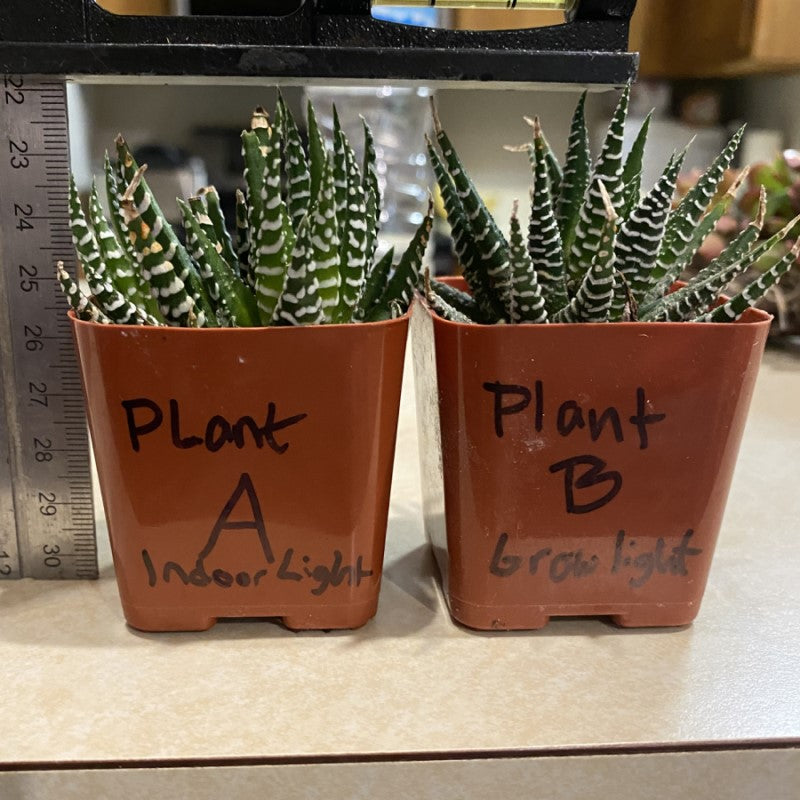
Full spectrum lights mimic natural sunlight by showing many colors. Plants grow better under full spectrum light because it supports all growth stages. Single spectrum lights emit one color, often red or blue. These work for specific growth phases but may limit overall plant health.

Credit: www.wikihow.com
How Artificial Light Supports Plant Growth
Plants need light to grow. Sunlight is natural and perfect for them. But plants can also grow under artificial light. This light mimics the sun’s rays. It helps plants make food and stay healthy indoors or in places without enough sunlight.
Understanding how artificial light works helps you grow strong plants. It supports important plant functions like photosynthesis, growth, and flowering. The right light can make a big difference in plant health.
Photosynthesis And Light Wavelengths
Photosynthesis is how plants make food. They use light to turn water and carbon dioxide into energy. Different light colors affect this process differently. Blue and red light are most useful for photosynthesis. Artificial lights often focus on these colors to help plants grow well.
Light Intensity And Duration
Light intensity means how strong the light is. Plants need enough light for good energy production. Duration is how long the light stays on each day. Most plants need 12 to 16 hours of light daily. Too little or too much light can harm growth. Artificial lights can be adjusted to give the perfect amount of light and time.
Impact On Plant Development Stages
Plants grow in stages: seedling, vegetative, and flowering. Each stage needs different light conditions. Seedlings need gentle light to start. Vegetative plants need strong blue light for leaves. Flowering plants need more red light to bloom. Artificial light can be changed to fit each stage. This helps plants develop well indoors.
Choosing The Right Light For Your Plants
Choosing the right light for your plants is key to healthy growth. Not all plants need the same type of light. The right light helps plants make food and stay strong. Picking the best light means thinking about the plant type, light power, and how much energy the light uses. This guide helps you find the perfect light for your plants.
Matching Light To Plant Species
Different plants need different light colors and amounts. Leafy greens like blue light for good growth. Flowering plants prefer red light to bloom well. Some plants need full spectrum lights that copy sunlight. Check your plant’s needs to pick the right light color.
Balancing Light Intensity And Distance
Light must be strong enough but not too close. Too much light can burn leaves. Too little light makes plants weak and tall. Keep the light 12 to 24 inches away for most plants. Move the light up or down based on plant response.
Energy Efficiency Considerations
Choose lights that use less energy but give enough light. LED grow lights save power and last longer. They produce less heat, so plants stay safe. Energy-efficient lights cut your electricity bill. Always compare watts and light output before buying.
Credit: harddy.com
Setting Up Artificial Lighting For Indoor Gardens
Setting up artificial lighting is key for indoor gardens to thrive. Proper light helps plants grow healthy and strong. It replaces sunlight that plants miss inside. Choosing the right setup ensures good growth and vibrant leaves.
Positioning Lights Effectively
Place lights close to plants but avoid burning leaves. Keep the light 6 to 12 inches above small plants. Adjust height as plants grow taller. Use adjustable fixtures or hangers to move lights easily. Spread lights evenly to cover all plants. Avoid shadows that block light on leaves.
Creating Light Schedules
Plants need a consistent light cycle to grow well. Most plants require 12 to 16 hours of light daily. Use timers to turn lights on and off automatically. Mimic natural day and night cycles for better growth. Rest periods help plants use energy efficiently. Keep the schedule steady to avoid stress.
Combining Natural And Artificial Light
Mixing natural and artificial light benefits indoor plants. Place plants near windows for sunlight during the day. Use artificial lights to fill in shadows or cloudy days. This blend supports strong growth and healthy colors. Rotate plants to give all sides equal light. Balance both types to avoid light overload.
Common Challenges And Solutions
Growing plants under artificial light is possible but comes with some challenges. These challenges can affect plant health and growth. Understanding common problems helps keep plants healthy and thriving. Simple solutions can fix most issues quickly. This section covers key challenges and easy ways to solve them.
Preventing Light Burn
Light burn happens when plants get too much light. Leaves turn yellow or brown. They may look dry or crispy. To prevent light burn, keep lights at the right distance. Check the light type and strength. Use dimmers or timers to control exposure. Watch plants closely for early signs of damage. Adjust light intensity or duration as needed.
Managing Heat From Lights
Artificial lights produce heat that can harm plants. Too much heat dries out soil and leaves. Keep lights far enough from plants to reduce heat. Use fans or ventilation to cool the area. Choose LED lights, which produce less heat. Monitor temperature regularly to keep it steady. Proper heat management helps plants grow strong.
Avoiding Light Cycle Disruptions
Plants need a regular light and dark cycle to grow well. Interruptions can confuse their natural rhythm. Set timers to give plants consistent light hours. Avoid turning lights on and off randomly. Keep night periods completely dark for rest. Stable light cycles support healthy growth and flowering. Stick to schedules for best results.
Enhancing Plant Health Under Artificial Light
Plants can grow well under artificial light if you care for them properly. Light is one part of their needs. Water and nutrients are just as important. Watching their growth helps you make changes fast. Using reflective surfaces can make light more useful for plants.
Optimizing Water And Nutrient Supply
Plants need the right amount of water to stay healthy. Too much water can harm roots. Too little water can dry them out. Use pots with good drainage. Feed plants with balanced nutrients. Use fertilizer made for indoor plants. Check soil moisture often. Healthy roots absorb nutrients better under artificial light.
Monitoring Growth And Adjusting Light
Watch your plants closely. Notice leaf color and size. Pale leaves may mean too much light. Dark green leaves may need more light. Adjust light height or intensity as needed. Move lights closer or farther. Use timers for consistent light periods. Proper light helps plants grow strong and healthy.
Using Reflective Surfaces
Reflective surfaces bounce light back to plants. Use white walls or aluminum foil around plants. This spreads light evenly. It helps plants get more light without extra bulbs. Reflective surfaces make artificial light more efficient. Plants grow better with more light coverage.
Success Stories With Artificial Light
Many people have had great success growing plants under artificial light. This method helps plants get the light they need, especially indoors or in places with little sunlight. Gardens can flourish with the right setup and care. These stories show how artificial light can support healthy, green growth.
Popular Indoor Plants That Thrive
Some plants do very well under artificial light. Snake plants grow strong with low light. Spider plants also adapt well to indoor lamps. Pothos vines thrive on fluorescent bulbs. Peace lilies bloom beautifully with LED lights. These plants need less direct sunlight and still stay healthy.
Case Studies From Urban Gardeners
Many urban gardeners share their positive results. One city dweller grew herbs on a balcony using LED lights. Basil and mint thrived and stayed fresh. Another gardener used fluorescent tubes to grow salad greens in a small apartment. The plants grew fast and tasted good. These cases show artificial light helps urban homes stay green and fresh.

Credit: www.reddit.com
Frequently Asked Questions
Can Plants Grow Well Under Artificial Light?
Yes, many plants grow well under artificial light. Proper light spectrum and duration help photosynthesis and growth indoors.
Which Artificial Lights Are Best For Plant Growth?
LED grow lights are best for plants. They provide optimal light spectrum, energy efficiency, and low heat, promoting healthy growth.
How Long Should Plants Stay Under Artificial Light?
Most plants need 12-16 hours of artificial light daily. Consistent timing mimics natural sunlight and supports photosynthesis effectively.
Do All Plants Respond Equally To Artificial Light?
No, plant species vary in light needs. Some require intense light, while others thrive with lower light intensity indoors.
Conclusion
Plants can grow well under artificial light with the right care. Choosing the correct light type and duration helps plants thrive indoors. Many houseplants adapt to artificial light settings easily. This method offers a great way to grow plants year-round.
Remember to watch your plants for signs of stress or growth. Adjust light and water as needed for healthy plants. Artificial light can support growth when natural light is limited. It keeps plants green and lively inside any space. Growing plants indoors with artificial light is practical and effective.
As an Amazon Associate, I earn from qualifying purchases.