Have you ever wondered if your plants can grow just as well under artificial light as they do in natural sunlight? If you’re trying to keep your indoor garden healthy or start growing plants where sunlight is limited, this question is crucial.
Understanding whether plants can photosynthesize with artificial light can change the way you care for your greenery. Stick with me, and you’ll discover how light affects your plants, what kind of artificial light works best, and simple tips to help your plants thrive indoors—no matter where you live.
Photosynthesis Basics
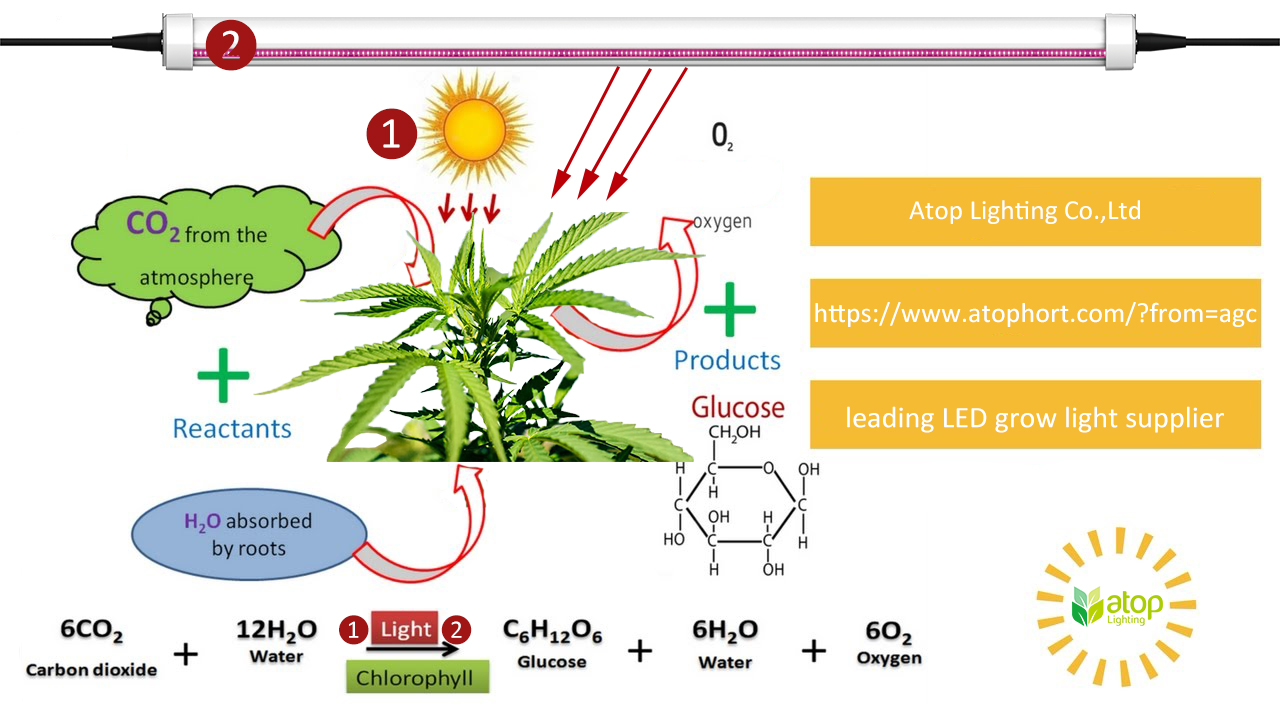
Photosynthesis is how plants make their own food. They use light to turn water and carbon dioxide into energy. This energy helps plants grow and stay healthy. Understanding the basics helps us see if artificial light can work for plants too.
Plants need light to start this process. Without light, photosynthesis cannot happen. The light energy is captured and changed into chemical energy inside the plant cells.
How Plants Capture Light
Plants have special parts called chloroplasts. These parts catch light from the sun or other sources. Inside chloroplasts, tiny structures absorb the light energy. This energy starts the process of making food.
Light must be the right type and amount for plants to use it well. Too little light means less energy for the plant. Too much light can harm the plant’s cells.
Role Of Chlorophyll
Chlorophyll is the green pigment in plants. It helps plants catch light. This pigment absorbs light mostly from the blue and red parts of the spectrum. It reflects green light, which is why leaves look green.
Chlorophyll works like a solar panel. It changes light energy into energy the plant can use. Without chlorophyll, plants could not photosynthesize effectively.
Light Spectrum And Photosynthesis
Light comes in many colors, or wavelengths. Not all light helps plants equally. Blue and red light are most important for photosynthesis. Green light is less useful.
Artificial lights can be designed to give plants the right light colors. This helps plants grow indoors or in places without enough sunlight. Understanding the light spectrum is key to using artificial light well.
Types Of Artificial Light
Plants need light to make food through photosynthesis. Sunlight is the best source. But many gardeners use artificial light to help plants grow indoors. Different types of artificial lights have different effects on plants. Choosing the right light affects plant health and growth.
Led Grow Lights
LED grow lights use less energy than other lights. They produce light in colors plants use most. Red and blue lights help plants make food. These lights stay cool and last a long time. Many indoor gardeners prefer LED lights for these reasons.
Fluorescent Lights
Fluorescent lights are common for growing plants indoors. They give off a soft light that plants like. These lights use less power than incandescent bulbs. They do not get very hot. Fluorescent lights work well for seedlings and small plants.
Incandescent And Halogen Lights
Incandescent and halogen lights are not ideal for plants. They use a lot of energy and get very hot. This heat can hurt plants or dry the soil. These lights also do not give the best light colors for photosynthesis. They are not often used for growing plants indoors.
Effectiveness Of Artificial Light
Artificial light can help plants grow by replacing sunlight. Its effectiveness depends on several key factors. These include how bright the light is, the colors it shows, and how much energy it uses. Understanding these points helps to create the best environment for plant growth indoors.
Light Intensity And Duration
Plants need enough light to make food through photosynthesis. The brightness, or intensity, of artificial light matters a lot. Too weak, and plants may grow slowly or look unhealthy. Too strong, and they can get damaged.
The length of time plants get light also affects growth. Most plants need 12 to 16 hours of light each day. Giving the right amount of light helps plants stay healthy and grow well.
Spectrum Matching For Growth
Plants use specific colors of light for photosynthesis. Blue and red light are the most important. Blue light helps leaves grow strong. Red light encourages flowers and fruit to develop.
Good artificial lights match these colors. Lights that do this help plants grow better than regular bulbs. Special grow lights often combine blue and red to support all stages of plant growth.
Energy Efficiency Considerations
Using artificial light can use a lot of electricity. Energy-efficient lights save power and reduce costs. LED grow lights are one of the best choices. They use less energy and last a long time.
Choosing energy-efficient lights helps keep growing affordable. It also reduces heat, which can harm plants. This makes indoor gardening easier and better for both plants and people.

Credit: www.researchgate.net
Plant Responses To Artificial Light
Plants can react differently to artificial light compared to natural sunlight. Their growth, flowering, and overall health depend on the type and intensity of light used. Understanding these responses helps gardeners and growers choose the right lighting for indoor plants.
Artificial light can support photosynthesis, but plants may show varied results. Some thrive, while others struggle to adapt. The following sections explain key plant responses to artificial light.
Growth Rate And Health
Plants under artificial light often grow slower than those in natural sunlight. The light spectrum and duration affect how well plants produce energy. Proper light encourages strong stems and healthy leaves. Poor lighting can cause weak, leggy growth and pale leaves. Choosing the right light color and intensity is crucial for good health.
Flowering And Fruiting
Flowering plants need specific light signals to bloom. Artificial light can trigger flowering if it mimics natural day length. Growers use timers to control light hours and boost flowering. Some plants may produce fewer flowers or fruits under artificial light. Adjusting light quality can improve flower and fruit development.
Common Challenges
Artificial light can cause heat stress if too close to plants. It may also lead to uneven growth or leaf burn. Some lights lack the full spectrum needed for all growth stages. Too much light can disturb natural plant cycles. Regular monitoring and adjusting light settings help avoid these issues.
Optimizing Artificial Lighting Setup
Setting up artificial light for plants is important for good growth. The right setup helps plants use light well. This means healthy leaves and stronger roots. Careful planning of light placement, timing, and mixing with sunlight makes a big difference. These steps help plants photosynthesize efficiently under artificial light.
Positioning And Distance
Place lights close enough for plants to get enough energy. Too far means weak light and slow growth. Too close can burn leaves or dry soil. Keep lights 12 to 24 inches above plants. Adjust based on the light type and plant needs. Check plants often to avoid damage.
Light Cycles And Timing
Plants need light and dark periods to grow well. Most plants do best with 12 to 16 hours of light daily. Use timers to keep light on and off regularly. Consistent cycles help plants stay healthy. Avoid too much light. It can stress plants and slow growth.
Combining Natural And Artificial Light
Natural sunlight is the best for plants. Artificial light fills gaps when sunlight is weak or short. Use artificial light in early morning or late evening. This extends the plant’s active time. Balance both light sources to keep plants happy. This gives better growth and stronger plants.
Credit: blog.nurserylive.com
Indoor Gardening Tips
Indoor gardening can bring life and color to any space. It also allows you to grow plants year-round. Using artificial light helps plants photosynthesize when sunlight is limited. Here are some tips to help your indoor garden thrive.
Choosing The Right Plants
Select plants that do well indoors with artificial light. Some plants need less light and are easier to grow. Examples include pothos, snake plants, and spider plants. Research each plant’s light needs before buying. This helps avoid problems later.
Monitoring Plant Health
Check your plants often for signs of stress. Look for yellowing leaves, drooping, or slow growth. These may mean the light is too weak or too strong. Keep soil moist but not soggy. Healthy leaves and steady growth show good care.
Adjusting Light For Different Growth Stages
Plants need different light amounts as they grow. Seedlings require gentle, longer light periods. Mature plants benefit from stronger light but shorter durations. Flowering plants need specific light colors and timing. Adjust your light setup to match each stage.
Credit: www.agcled.com
Frequently Asked Questions
Can Plants Photosynthesize Under Artificial Light?
Yes, plants can photosynthesize using artificial light if it provides the right spectrum. LED grow lights are commonly used. They mimic sunlight and support plant growth indoors effectively.
What Types Of Artificial Light Help Photosynthesis?
LED, fluorescent, and incandescent lights aid photosynthesis. LED lights are most efficient as they emit specific wavelengths plants need for growth.
How Does Artificial Light Compare To Sunlight?
Artificial light can support photosynthesis but lacks full sunlight spectrum. Sunlight is more intense and natural, promoting healthier plant development.
Can All Plants Photosynthesize With Artificial Light?
Most plants can photosynthesize with artificial light if it matches their light needs. Some plants require more specific wavelengths or intensity to thrive.
Conclusion
Plants can grow well under artificial light. They use light to make food, just like with sunlight. Different lights affect plant growth in many ways. LEDs work best because they save energy and give the right colors. You can grow plants indoors any time.
Light type, intensity, and duration all matter. Understanding these helps you care for plants better. Artificial light makes indoor gardening possible and fun. Try different setups to see what your plants like. Growth is possible without natural sunlight. Simple tools and light can keep plants healthy.
As an Amazon Associate, I earn from qualifying purchases.