Have you ever felt uncomfortable watching TV because the screen seems too high or too low? Getting the right height for your TV stand can make a huge difference in your viewing experience.
When your TV is at the perfect level, your eyes and neck feel relaxed, and you enjoy every moment on screen without strain. But how high should a TV stand be to give you that comfort? You’ll discover simple tips and easy steps to find the ideal height for your TV stand.
Keep reading, and soon you’ll transform your living room into the ultimate cozy spot for watching your favorite shows.
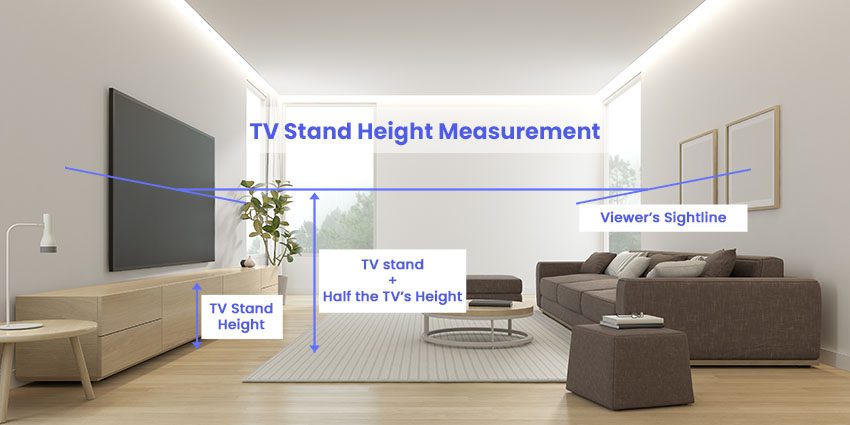
Credit: www.sierralivingconcepts.com
Ideal Tv Height
Finding the ideal height for your TV stand improves your viewing comfort. The right height helps reduce neck strain and makes watching more enjoyable. This section explains key points to set your TV at the best height.
Eye Level Alignment
Place the center of the TV screen at eye level. This means your eyes should meet the middle of the screen when seated. Eye level alignment avoids looking up or down too much. It keeps your neck relaxed and your posture natural.
Seating Distance Impact
Distance between your seat and TV affects the height choice. If you sit far, raise the TV slightly higher. Sitting close means a lower TV height works better. Adjust the stand height to match where you watch most often.
Screen Size Considerations
Larger screens need different heights than smaller ones. Big TVs often work well a bit higher on the wall. Smaller TVs fit better on lower stands. Measure your screen size before deciding the stand height.
Measuring Tv Stand Height
Measuring the right height for your TV stand is important for comfortable viewing. It helps reduce neck and eye strain. The goal is to keep the TV screen at eye level when you sit.
Different rooms and seating types change the ideal TV stand height. Careful measuring and planning create the best setup for your space.
Calculating Optimal Height
Start by measuring your eye level while seated. Use a tape measure from the floor to your eyes. This height is usually between 40 and 42 inches for most people.
The center of the TV screen should align with this eye level. If your TV is large, aim for the middle of the screen. This makes watching easier and more natural.
Using Room Layout
Consider the room’s layout before choosing a TV stand height. Measure the distance between the seating and the TV wall. A larger room may need a higher stand.
Also, check for furniture or windows that might block the view. Adjust the TV stand height to avoid obstacles. This keeps the view clear from all angles.
Adjusting For Different Seating
Different seats may require different TV heights. For example, sofas are lower than bar stools. Measure eye level for each seating option.
If you use many seats, pick a height that works best for most. Or, choose a stand that can be adjusted. This allows better viewing for everyone.
Comfort Factors
Choosing the right height for a TV stand affects your comfort while watching. Comfort factors help reduce tiredness and make watching more enjoyable. Consider how your body feels and how your eyes work during viewing sessions.
Neck And Eye Strain Prevention
Watching a TV placed too high or too low causes neck pain. Your neck should stay relaxed and straight. Eyes should look slightly downward to avoid strain. Proper height stops you from bending or tilting your head. This keeps your muscles from getting tired quickly.
Viewing Angle Importance
The best viewing angle shows the picture clearly without distortion. Eyes should face the center of the screen. Sitting too low or too high changes the picture quality. A good angle helps you see colors and details better. It makes watching movies or shows more pleasant.
Lighting And Glare Effects
Light sources can cause glare on your TV screen. Glare makes it hard to see the picture clearly. Place the TV stand where light does not reflect directly. Adjust the height to avoid bright spots on the screen. This reduces eye discomfort and improves your viewing experience.
Tv Stand Types And Heights
Choosing the right TV stand affects your viewing comfort. The height and style of the stand matter a lot. Different types of TV stands come in various heights. Each type fits certain room styles and TV sizes. Understanding these options helps you pick the best stand for your space.
Low Profile Stands
Low profile stands sit close to the floor. They usually range from 15 to 20 inches high. These stands work well with modern, minimalist rooms. They keep the TV at eye level when you sit on a low sofa. Low stands often have open shelves for easy access to devices.
Mid-century Designs
Mid-century designs are popular for their style and function. These stands are usually 20 to 26 inches tall. They add a warm, classic look to any room. Mid-century stands often include drawers or cabinets for storage. They raise the TV slightly higher, which suits medium-height seating.
Tall Cabinets And Consoles
Tall cabinets and consoles stand over 30 inches high. They offer extra storage with closed doors or multiple shelves. These stands fit rooms with high sofas or armchairs. Tall stands position the TV higher on the wall. They help reduce neck strain in larger living rooms.
Customizing Tv Stand Height
Customizing the height of your TV stand is key to a comfortable viewing experience. The right height reduces neck strain and fits your room’s style. Everyone’s room and needs differ. Adjusting the TV stand height lets you find your perfect setup.
Adjustable Stands
Adjustable TV stands offer flexibility. You can raise or lower the TV easily. Many models include swivel and tilt options. These features help match the screen height to your seating. Adjustable stands suit rooms with changing layouts.
Diy Solutions
Building your own TV stand lets you control height and design. Use wood, metal, or repurposed furniture for a custom fit. Measure your eye level while seated. This ensures the TV sits at the best height. DIY stands can be budget-friendly and unique.
Integrating With Room Decor
Choose a TV stand that blends with your room’s style. The height should complement furniture and wall space. A low stand works well with modern, minimal rooms. Taller stands fit traditional or rustic spaces. Balance function and design for a neat look.
Common Mistakes To Avoid
Choosing the right height for your TV stand is important for a good viewing experience. Many people make simple mistakes that affect comfort and screen visibility. Avoid these errors to enjoy watching your favorite shows without strain or discomfort.
Too High Placement
Placing the TV too high causes neck strain. Your eyes should look straight at the screen, not up. When the TV is above eye level, it becomes uncomfortable to watch for long periods. Keep the screen at a comfortable height for relaxing viewing.
Ignoring Seating Setup
Not considering your seating arrangement leads to poor TV placement. The TV height must match the height of your couch or chairs. Sitting too low or too high compared to the screen causes eye and neck pain. Measure your seating before choosing your TV stand height.
Overlooking Screen Size
Screen size affects how high the TV should be placed. Larger screens usually need a lower stand. Small TVs can go slightly higher without strain. Match the stand height with the screen size to keep the center of the screen at eye level.
Tips For Different Rooms
Choosing the right height for a TV stand depends on the room. Each space has unique needs. This section gives clear tips for different rooms. It helps you set the TV stand at a good height. The goal is comfort and easy viewing in every room.
Living Room Setup
In the living room, the TV stand should match the seating height. The center of the screen should be at eye level when sitting. Usually, this is about 42 inches from the floor. Make sure the TV is not too high or low. This prevents neck strain and improves the viewing experience.
Bedroom Tv Placement
For the bedroom, measure the height while lying in bed. The TV should be slightly above eye level when you recline. A stand height between 24 and 36 inches often works well. Keep the distance comfortable to avoid eye fatigue. Adjust the stand if you watch TV from different positions.
Home Office Considerations
In a home office, the TV or monitor stand needs flexibility. It should allow easy viewing while sitting at your desk. The ideal height is at or just below eye level. Use an adjustable stand if possible. This helps maintain good posture during long work hours.

Credit: www.giratree.com

Credit: www.livingspaces.com
Frequently Asked Questions
What Is The Ideal Height For A Tv Stand?
The ideal TV stand height aligns the screen’s center with eye level when seated. This is usually 42-48 inches from the floor. Proper height reduces neck strain and improves viewing comfort.
How To Measure The Right Tv Stand Height?
Measure your seated eye level height first. Then subtract half the TV screen height. This gives the ideal stand height for comfortable viewing.
Does Tv Size Affect The Stand Height?
Yes, larger TVs may require slightly higher stands. The center of the screen should remain at eye level regardless of size.
Can A Tv Stand Be Too High Or Low?
Yes, a stand that’s too high or low causes neck strain and discomfort. Proper height ensures ergonomic viewing and better posture.
Conclusion
Choosing the right TV stand height makes watching more comfortable. Keep your eyes level with the screen center. This reduces neck and eye strain during long viewing. Think about your seating and room size too. A well-set TV stand improves your overall experience.
Simple adjustments can make a big difference. Remember, comfort matters more than style alone. Find a height that fits your space and needs. Enjoy your shows without discomfort or distraction. Your perfect TV stand height is just a few inches away.
As an Amazon Associate, I earn from qualifying purchases.