Have you ever wondered if hospital chairs recline? If you’re planning a visit or staying for a while, comfort becomes important.
You want to know if these chairs can help you relax or if you’ll be stuck sitting upright. This simple question can make a big difference in how you feel during your time at the hospital. Keep reading to discover the truth about hospital chairs and how they might just make your experience a little easier.
Credit: www.medik-medical.com
Hospital Chair Types
Hospital chairs come in different types to meet various patient needs. Each type has unique features. Some chairs focus on comfort, others on function or support. Understanding these types helps patients and visitors find the best seating options.
Standard Chairs
Standard hospital chairs are basic and easy to use. They usually have a fixed backrest. These chairs are lightweight and easy to move. They suit waiting areas and short visits. Comfort is moderate, designed for brief sitting times.
Reclining Models
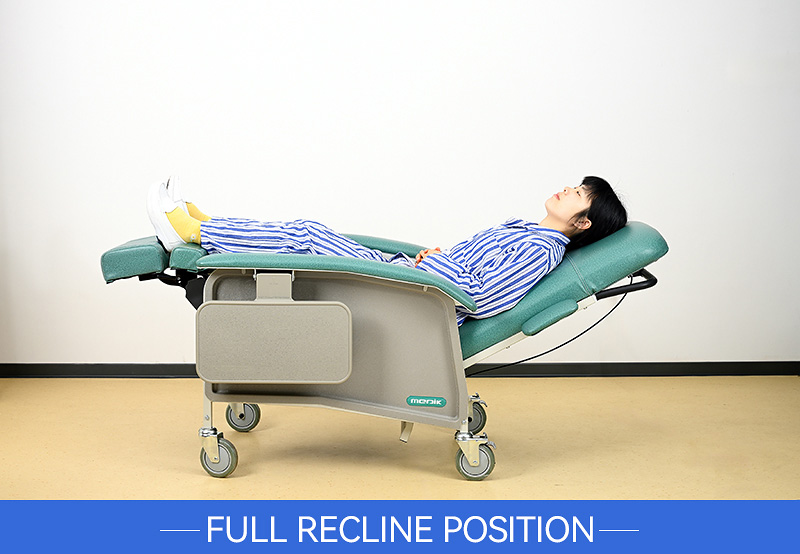
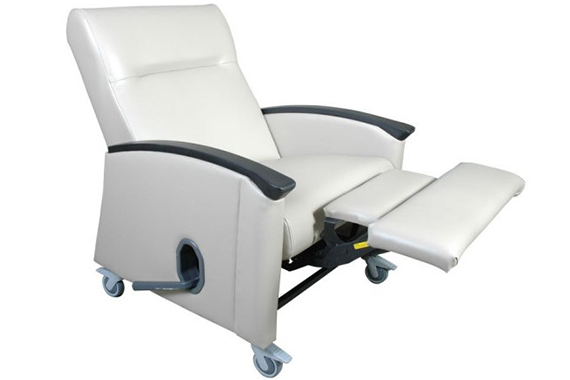
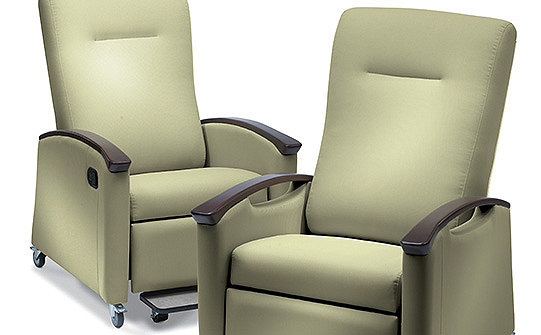
Reclining hospital chairs offer adjustable backrests. Patients can lean back to relax or rest. Some models also include leg rests. They help improve circulation and reduce pressure points. These chairs are common in patient rooms and recovery areas.
Specialty Seating
Specialty seating addresses specific medical or comfort needs. Examples include bariatric chairs for larger patients. There are also pressure relief chairs for skin care. Some specialty chairs support mobility or therapy. These chairs provide extra care and comfort.
Credit: www.agilitihealth.com
Comfort Features
Hospital chairs are designed to offer comfort for patients and visitors. Comfort features help reduce stress and pain during long stays. These features focus on support, flexibility, and materials that feel good.
Padding And Support
Good padding cushions the body and prevents pressure points. Soft foam or gel padding is common in hospital chairs. Support is crucial to keep the back and legs relaxed. Chairs often have extra support for the lower back area. This helps patients sit longer without discomfort.
Adjustability Options
Adjustable chairs adapt to different body types and needs. Many hospital chairs recline to change sitting positions. Some have adjustable footrests to raise or lower the legs. Armrests often move to provide easier access. These options help users find the best comfort level.
Material Choices
Hospital chairs use materials that are easy to clean and soft to touch. Vinyl and leather-like fabrics are popular for their durability. Breathable fabrics help reduce sweating and heat build-up. These materials balance comfort with hygiene requirements in hospitals.
Benefits Of Reclining Chairs
Reclining hospital chairs offer many benefits for patients. They help patients feel more comfortable during long stays. These chairs adjust to different positions for better support. Comfort and health improve with the right chair.
Patients can rest easier and recover faster. Medical staff also find it easier to care for patients. Reclining chairs play an important role in hospitals.
Improved Patient Rest
Reclining chairs help patients rest better. Patients can change positions to avoid stiffness. This supports better sleep and relaxation. Good rest helps the body heal faster. Patients feel less tired and more refreshed.
Enhanced Mobility Support
These chairs support patients with limited movement. They allow gentle changes in posture without pain. Patients can sit up or lie back easily. This support helps reduce muscle strain. It also aids in safer movement for patients.
Pressure Relief
Reclining chairs reduce pressure on key body parts. They help prevent pressure sores and discomfort. Changing positions improves blood flow under the skin. This is very important for patients who stay long. Pressure relief keeps skin healthy and pain-free.
Limitations Of Non-reclining Chairs
Non-reclining hospital chairs have some clear limits. They do not offer the same comfort as reclining chairs. These limits can affect patients and visitors in various ways. Understanding these drawbacks helps in choosing the right chair for hospital use.
Restricted Movement
Non-reclining chairs keep the user in a fixed position. This limits the ability to change posture. Patients may find it hard to adjust for comfort or health needs. Visitors also face difficulty sitting for long hours. This restriction can lead to stiffness and discomfort.
Potential Discomfort
Without reclining options, pressure builds on the back and legs. Sitting upright for long times can cause pain. Lack of support can increase muscle strain. Non-reclining chairs may not suit those with back problems. Discomfort can reduce rest and recovery quality.
Suitability Concerns
Not all patients fit well in non-reclining chairs. People with limited mobility may need reclining support. These chairs do not adapt to different body types. They may not meet the needs of elderly or disabled users. This limits their use in many hospital settings.
Choosing The Right Chair
Choosing the right hospital chair matters for comfort and care. A good chair supports patients during recovery and stays. It must suit different needs and settings. Picking the right one takes thought about several key points.
Comfort, space, and cost all play roles in this choice. Each factor helps find a chair that fits well with patient health and the hospital environment.
Patient Needs
Patients have different health conditions and comfort levels. Some need chairs that recline fully for rest. Others require sturdy support for sitting upright. Adjustable features help match patient needs. Soft cushions ease pressure points. Easy-to-clean materials keep the chair hygienic. The chair should help patients relax and heal.
Space Considerations
Hospitals often have limited room. Chairs must fit in small spaces without crowding. Measuring available space is essential. Compact chairs save room but still offer comfort. Reclining chairs need extra space to tilt back. Think about how chairs will be arranged. Chairs should allow easy movement for staff and visitors.
Budget Factors
Hospitals work within budget limits. Affordable chairs can still be good quality. Cost depends on materials, features, and brand. Basic models may lack some reclining options. Higher-end chairs offer more comfort and durability. Balance cost with patient comfort and chair lifespan. Investing in a reliable chair saves money over time.
Maintenance And Safety
Hospital chairs need regular care to stay safe and work well. Proper maintenance keeps patients comfortable and prevents accidents. Cleaning, checking durability, and using safety features are important tasks. These steps help keep the chairs in good condition for daily use.
Cleaning Guidelines
Clean hospital chairs often to stop germs from spreading. Use mild soap and warm water for most surfaces. Avoid harsh chemicals that can damage materials. Disinfect high-touch areas like armrests and controls regularly. Dry the chair fully to prevent mold and rust.
Durability Checks
Check the chair for wear and tear every week. Look for cracks, loose screws, or broken parts. Test the reclining mechanism to ensure smooth operation. Fix or replace damaged parts quickly to avoid injuries. Keep a maintenance log to track repairs and inspections.
Safety Features
Hospital chairs have built-in safety features to protect users. These include locking wheels to prevent movement. Reclining controls often have limits to stop overextension. Padding and sturdy frames reduce injury risks. Regularly test these features to ensure they work properly.
Credit: www.stryker.com
Frequently Asked Questions
Do Hospital Chairs Typically Recline?
Yes, many hospital chairs are designed to recline. This feature helps patients rest comfortably and improves circulation during long stays.
Why Do Some Hospital Chairs Not Recline?
Some chairs prioritize portability or space-saving over reclining. These are often used in waiting areas or short-term patient use.
Are Reclining Hospital Chairs Adjustable For Comfort?
Yes, reclining hospital chairs usually have adjustable features. Patients can modify the backrest and leg support for personalized comfort.
How Does A Reclining Hospital Chair Benefit Patients?
Reclining chairs reduce pressure points and improve blood flow. They also help patients relax and recover more comfortably.
Conclusion
Hospital chairs often recline to offer comfort and support. Patients can adjust the chair to relax or rest. This feature helps reduce pressure and improve blood flow. Not all hospital chairs have this option, though. Always check the chair’s design before use.
Knowing this can make hospital stays easier and less stressful. Comfort matters during recovery. A reclining chair can make a big difference.
As an Amazon Associate, I earn from qualifying purchases.