Have you ever wondered if your favorite reclining chair is actually good or bad for you? You might think it’s the perfect way to relax after a long day, but could it be hiding some risks for your health?
Before you settle back and press that button, it’s important to understand what reclining chairs really do to your body. Keep reading, because what you learn here might change the way you think about comfort—and your well-being.
Health Benefits Of Reclining Chairs
Reclining chairs offer more than just comfort. They can also improve your health in several ways. These chairs help your body relax and reduce stress on muscles and joints. Using a reclining chair correctly can support your well-being and daily comfort.
Improved Circulation
Reclining chairs help blood flow better throughout your body. Elevating your legs reduces pressure on veins. This can lower the risk of swelling and varicose veins. Better circulation means more oxygen reaches your muscles and organs.
Reduced Back Pain
These chairs support your spine in a natural position. Reclining takes pressure off your lower back and discs. This relief can reduce pain and stiffness. Sitting in a reclined posture also eases muscle tension in your back.
Enhanced Relaxation
Reclining helps your body relax deeply. It lowers stress hormones and calms your mind. This can improve sleep quality and reduce fatigue. A relaxed body recovers faster and feels more refreshed.
Potential Risks To Consider
Reclining chairs offer comfort but may cause some health issues. Understanding these risks helps you make better choices. Here are key problems linked to long-term use of reclining chairs.
Poor Posture Issues
Reclining chairs can encourage slouching. This weakens back and neck muscles over time. Poor posture leads to pain and stiffness. Sitting upright supports the spine better. Avoid staying reclined for too long.
Pressure On Lower Back
Reclining shifts body weight unevenly. This adds pressure on the lower back. It may cause discomfort or worsen existing pain. Chairs without good lumbar support increase this risk. Proper support helps keep the spine aligned.
Impact On Circulation
Sitting in a reclined position can slow blood flow. Poor circulation causes numbness or swelling in legs. This risk grows with long sitting periods. Moving regularly promotes healthy blood flow. Choose chairs that allow easy position changes.
Who Should Avoid Reclining Chairs
Reclining chairs offer comfort and relaxation. Yet, not everyone should use them freely. Some people may find these chairs worsen their health problems. Knowing who should avoid reclining chairs helps prevent pain or injury.
People With Certain Back Conditions
People with herniated discs or spinal stenosis should be cautious. Reclining chairs can put extra pressure on the spine. This may increase back pain or cause more damage. Those with chronic back pain might find sitting upright better.
Those With Circulatory Problems
Reclining chairs can slow blood flow in the legs. People with poor circulation or varicose veins might feel worse. Sitting with legs raised for a long time may cause swelling or discomfort. It is safer to use chairs that encourage movement.
Individuals With Mobility Challenges
Reclining chairs can be hard to get in and out of. People with weak muscles or joint issues may struggle. This increases the risk of falls or injuries. Chairs with firm support and easy access work better for them.
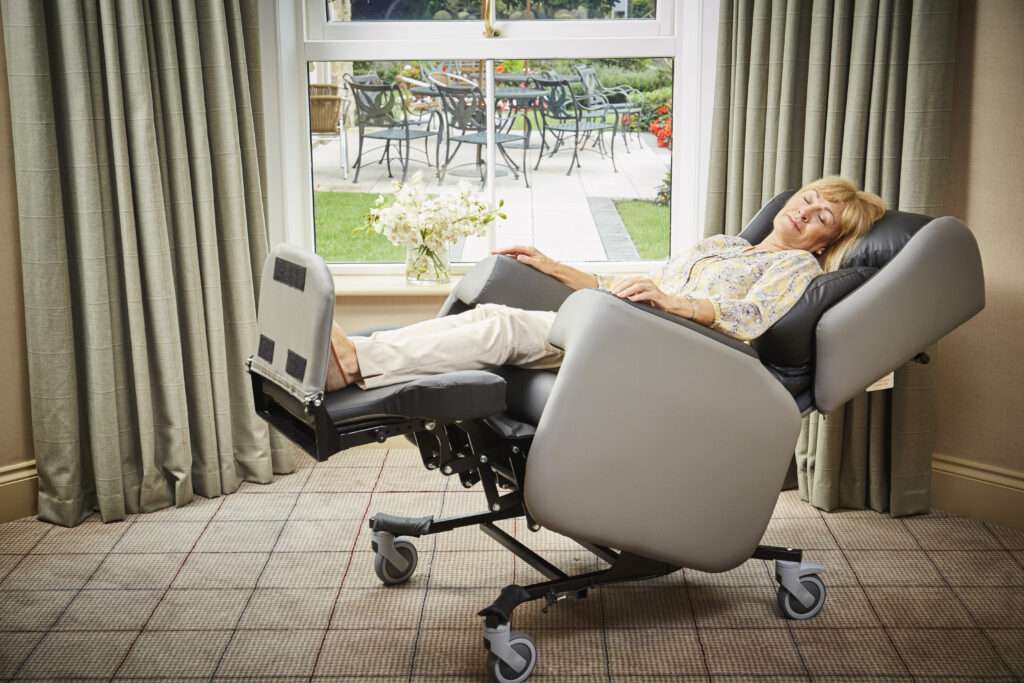
Credit: www.vivid.care
Choosing The Right Reclining Chair
Choosing the right reclining chair matters for comfort and health. Not all chairs offer the same benefits. The right chair supports your body well and helps you relax. Consider important features before buying. This guide helps you find a chair that fits your needs and keeps you comfortable.
Ergonomic Features To Look For
Ergonomic design helps reduce body strain. Look for chairs with lumbar support to protect your lower back. A headrest supports your neck and prevents tension. Proper armrests keep your shoulders relaxed. These features keep your body in a natural position. Ergonomic chairs lower the risk of pain and stiffness.
Material And Build Quality
Strong materials last longer and feel better. Choose chairs made with sturdy frames like steel or hardwood. Soft but firm cushions provide good support. Breathable fabric or leather keeps you cool. Avoid cheap materials that wear out fast. Quality build means better comfort and durability.
Adjustability And Support
Adjustable features let you find the best position. Recline angle options help you relax safely. A footrest that extends supports your legs well. Some chairs offer adjustable headrests and armrests. These options improve comfort and reduce pressure on joints. Support is key to avoid aches during long sitting.
Best Practices For Using Reclining Chairs
Using reclining chairs can be comfortable and relaxing. Following best practices helps avoid pain or stiffness. Proper use supports your body and improves comfort. Small habits make a big difference for your health.
Proper Sitting Posture
Sit with your back fully supported by the chair. Keep your feet flat on the floor or footrest. Avoid slouching or leaning too far back. Align your neck with your spine to reduce strain. Use cushions if needed for extra lower back support.
Time Limits For Reclining
Limit reclining sessions to 20-30 minutes at a time. Prolonged sitting in one position can cause stiffness. Change your position regularly to keep blood flowing. Avoid staying reclined for hours without breaks. Short sessions help maintain healthy posture.
Incorporating Movement Breaks
Stand up and stretch every 30 minutes. Walk around to improve circulation and reduce muscle tension. Simple exercises like shoulder rolls or neck stretches help. Movement breaks prevent stiffness and improve comfort. Regular activity supports overall well-being while using reclining chairs.

Credit: chitaliving.com

Credit: mysleepyhead.com
Frequently Asked Questions
Are Reclining Chairs Bad For Your Back?
Reclining chairs can be bad if used incorrectly. Poor posture or lack of lumbar support may cause back pain. Choose chairs with good ergonomics to avoid discomfort and maintain proper spinal alignment during use.
Can Reclining Chairs Improve Blood Circulation?
Yes, reclining chairs can improve blood flow by elevating your legs. This position reduces pressure on veins, helping prevent swelling and varicose veins. Proper use may enhance circulation, especially during long sitting periods.
Is Prolonged Use Of Reclining Chairs Harmful?
Prolonged use may cause muscle stiffness and poor posture. Taking breaks and adjusting your position regularly helps avoid negative effects. Using a reclining chair with ergonomic features reduces health risks associated with extended sitting.
Do Reclining Chairs Cause Neck Pain?
Improper head and neck support in reclining chairs can cause neck pain. Choosing chairs with adjustable headrests and maintaining good posture helps prevent discomfort and strain in the neck area.
Conclusion
Reclining chairs can offer comfort if used the right way. Sitting too long in one position may cause stiffness or pain. Changing your posture often helps your body stay healthy. Choose a chair that supports your back well. Take breaks and move around during long sitting times.
Balance comfort with good habits for better health. Small changes make a big difference over time. Enjoy your chair, but listen to your body too.
As an Amazon Associate, I earn from qualifying purchases.