Have you ever wondered if your end tables really need to match? You might be staring at your living room, unsure if mixing styles will look messy or if sticking to one set is the safest bet.
The truth is, your end tables can say a lot about your personal style—and they don’t have to be identical to work together. In fact, choosing the right combination can make your space feel more inviting and uniquely yours. Keep reading, and you’ll discover simple tips to help you decide whether matching end tables are a must or if mixing things up could be your secret design win.
Why Matching End Tables Matter
Matching end tables bring a sense of order and calm to any room. They create a clear design pattern that pleases the eyes. Choosing matching pieces can make a space feel more put together and thought out.
Matching tables set a tone of balance and style. They give a room a finished look without extra effort. This simple choice can improve the room’s overall feel and flow.
Creating Visual Harmony
Matching end tables help the room feel calm and peaceful. They repeat shapes and colors, making the space look neat. This harmony lets other decor stand out more clearly.
When tables match, the eyes move smoothly across the room. It stops the room from feeling busy or messy. Visual harmony is key to a relaxing home.
Balancing Room Proportions
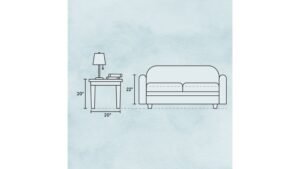
Matching tables help keep the room balanced. They fill space evenly on both sides of a sofa or bed. This balance makes the room feel stable and comfortable.
With matching end tables, the room looks well planned. It avoids one side feeling heavier or crowded. Balanced proportions make the room easier to enjoy.
Credit: mariakillam.com
Mix And Match Styles
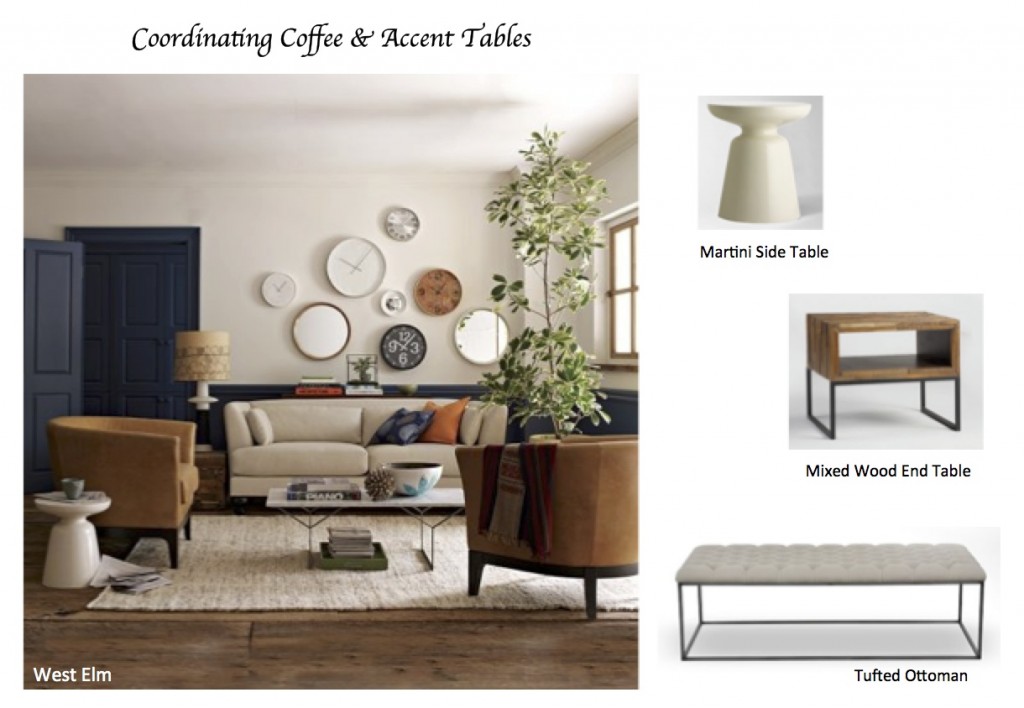
Mix and match styles bring life to your living space. You do not need end tables that look the same. Different styles can create a unique and inviting room. Combining colors, shapes, and materials makes the space interesting. This approach allows personal expression and creativity. It gives your room a fresh, modern feel.
Combining Different Materials
Using various materials adds texture and depth to your room. Wood, metal, glass, or stone can work well together. Each material has its own style and story. Mixing them creates a balanced and dynamic look. For example, a wooden table with a metal lamp can look stylish. The contrast between materials draws the eye and keeps things lively.
Varying Heights And Shapes
Different heights and shapes add dimension to your space. Tall tables next to short ones create visual interest. Round tables soften sharp edges from square tables. Mixing shapes and sizes stops your room from feeling flat. It also makes the space more functional. You can place items at different levels for easy reach and style.
Color Coordination Tips
Choosing the right colors for your end tables can change a room’s look. Color coordination helps create a balanced and inviting space. It guides your choices and makes your decor feel connected.
Using Complementary Colors
Complementary colors sit opposite each other on the color wheel. They create a strong contrast that catches the eye. For example, a blue end table pairs well with orange accents. This contrast makes each color look brighter. Use complementary colors to add energy without clashing.
Incorporating Accent Shades
Accent shades bring subtle interest to your color scheme. These shades are softer or lighter tones of your main colors. A pale green end table can highlight darker green decor pieces. Accent shades help blend colors smoothly. They also keep the room feeling calm and cozy.
Textures And Finishes
Textures and finishes play a big role in how end tables look together. They add depth and interest to a room. Matching textures and finishes can create a smooth, calm look. Mixing them can bring energy and style. Choosing the right combination depends on your taste and room style.
Blending Smooth And Rough Surfaces
Combining smooth and rough surfaces creates a nice contrast. A smooth glass top paired with a rough wooden base adds character. Rough textures bring warmth and a natural feel. Smooth finishes offer a sleek, modern look. Mixing these textures keeps the space balanced and exciting. It also helps the tables stand out without clashing.
Matte Vs. Glossy Options
Matte finishes give a soft, subtle appearance. They hide fingerprints and scratches better. Glossy finishes reflect light and add brightness. They make a table look fresh and shiny. Pairing matte and glossy can create a stylish effect. It breaks the monotony and adds visual interest. Choose finishes that suit your room’s mood and lighting.
Functional Considerations
Choosing end tables is not just about style. Function plays a big role in the decision. Matching tables may look nice. But their usefulness matters more for daily comfort. Think about what you need from these pieces in your living space. This helps you pick tables that work well for you.
Storage Needs
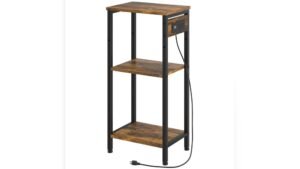
End tables often provide extra storage. Some have drawers or shelves. Others are just flat surfaces. Consider what you want to keep nearby. Books, remotes, or chargers? If you need storage, choose tables with enough space. Matching tables might not offer the right storage for both sides. Mixing styles can solve this problem.
Surface Space Requirements
Think about what you place on your end tables. Lamps, drinks, or snacks? Some tables have bigger tops. Others are smaller and compact. The size of the table should fit your needs. Large tables on both sides can crowd a small sofa. Different sizes can balance the space better. Focus on how much surface area you really need.
Credit: www.2modern.com
Styling Accessories On End Tables
Styling accessories on end tables adds charm and personality to any room. These small surfaces offer a perfect spot to display items that reflect your style. Choosing the right accessories can make your space feel complete and inviting. It also helps to create balance between different furniture pieces.
Accessories do not need to match exactly. Mixing different styles and shapes can look fresh and interesting. The key is to arrange items thoughtfully and keep the overall look neat.
Balancing Decorative Items
Balance is important when styling end tables. Place taller items like lamps or vases at the back. Smaller objects go in front to avoid clutter. Use odd numbers of items for a natural feel. Keep some empty space to let the table breathe. This helps each piece stand out.
Adding Personal Touches
Personal items make your end table unique. Family photos in simple frames add warmth. Small plants bring life and color to the space. Books or souvenirs show your interests and stories. These touches create a cozy and welcoming vibe.
Popular Design Combinations
Popular design combinations for end tables allow creativity and style to flow freely. Mixing different styles adds character and charm to any room. End tables do not need to match perfectly to look good together. Blending styles can create a unique and inviting space.
Modern With Vintage
Pairing modern and vintage end tables creates a fresh, balanced look. A sleek modern table contrasts nicely with a vintage piece. The mix highlights the best of both styles without clashing. It adds interest and depth to your living area. Choose simple shapes and clean lines for the modern piece. Match it with a vintage table featuring classic details or worn finishes. This combo works well in both small and large rooms.
Rustic And Industrial Mix
Rustic and industrial end tables complement each other with raw textures. Wood and metal blend to give a rugged yet warm feel. A rough wooden table pairs well with metal legs or accents. This combo fits well in lofts or farmhouse-style homes. The mix brings strength and natural beauty into the space. Keep the colors neutral to maintain harmony between both styles. This pairing offers durability and a timeless look.
Credit: www.2modern.com
Frequently Asked Questions
Do End Tables Need To Match The Sofa?
No, end tables don’t need to match the sofa. Mixing styles adds character and personal flair. Choose tables that complement the room’s color and style for a balanced look.
Can Mismatched End Tables Work In Living Rooms?
Yes, mismatched end tables can work well. They create visual interest and a unique style. Just keep a cohesive color palette or theme to maintain harmony.
What Styles Of End Tables Work Best Together?
End tables with similar materials, colors, or shapes pair best. Combining wood and metal or matching colors can unify diverse styles. Avoid clashing patterns for a cohesive look.
How To Choose End Tables That Complement Decor?
Select end tables that echo colors or textures in your room. Consider size, height, and function to match your space. Balance style and practicality for the best fit.
Conclusion
End tables do not always have to match perfectly. Mixing styles can add charm and personality. Choose pieces that feel balanced and fit your space. Colors, shapes, and materials can work well together without being identical. Trust your eye and have fun with your choices.
Your room will look unique and inviting.
As an Amazon Associate, I earn from qualifying purchases.