
Is your wooden bed frame making that annoying creaking noise every time you move? That squeak can disrupt your sleep and test your patience.
But don’t worry—you don’t need to replace your entire bed or call a costly repair service. In this guide, you’ll discover simple and effective ways to fix that squeaky wooden bed frame yourself. By the end, you’ll enjoy a quiet, sturdy bed that lets you relax fully.
Ready to say goodbye to those creaks? Let’s get started!
Identify The Squeak Source
Finding the exact place where your wooden bed frame squeaks is key to fixing it. The sound often comes from parts rubbing or moving too much. Careful checking helps spot the noisy spots. This step saves time and effort later. Start by looking closely at parts that connect and support the bed.
Check Joints And Connections
Look at all the joints where wood pieces meet. These spots often loosen over time. Tighten any bolts or screws you see. If you find gaps, the parts may rub and cause noise. Use a screwdriver or wrench to make connections firm. Sometimes, adding a little wood glue can stop the movement. Make sure no pieces wiggle when you press them.
Inspect Bed Slats And Supports
Bed slats hold your mattress and can shift or crack. Check if any slats are loose or broken. Push each slat to see if it moves. Loose slats can rub against the frame and squeak. Tighten or replace any slats that feel weak. Also, look at the supports under the slats. These supports must be steady and strong. Fix any wobbling parts to keep the frame quiet.
Tighten Loose Screws And Bolts
Loose screws and bolts cause most squeaks in wooden bed frames. Tightening them stops the noise and makes your bed more stable. This fix is simple and takes little time. It also prevents damage to the wood and frame.
Check all screws and bolts on your bed frame. Focus on joints and corners where parts meet. Tighten anything that feels loose. This small step can make your bed quiet again.
Tools Needed For Tightening
- Screwdriver (flathead or Phillips, based on screw type)
- Wrench or adjustable spanner for bolts
- Flashlight to see in dark corners
- Soft cloth to clean dust before tightening
Step-by-step Tightening Process
- Turn off the bed and remove mattress.
- Use the flashlight to spot all screws and bolts.
- Wipe each joint with a soft cloth to clear dust.
- Fit the screwdriver or wrench on the screw or bolt.
- Turn clockwise to tighten gently but firmly.
- Check for any movement or wobble after tightening.
- Repeat for all loose fasteners on the bed frame.
- Place the mattress back and test for squeaks.
Lubricate Moving Parts
Lubricating the moving parts of a wooden bed frame helps stop annoying squeaks. Over time, friction between wooden joints or metal fittings causes noise. Adding lubricant reduces friction and lets parts move smoothly. This simple step can make your bed quieter and more comfortable.
Choosing The Right Lubricant
Select a lubricant that suits wood and metal surfaces. Silicone spray works well on wood without staining it. It also repels moisture and lasts long. For metal parts, light machine oil or WD-40 can work. Avoid thick grease because it attracts dust and dirt. Choose a clear, non-staining lubricant for the best results.
Application Tips
Clean the bed frame before applying lubricant. Remove dust and dirt using a dry cloth. Spray or apply the lubricant sparingly on joints and screws. Move the bed slightly to spread the lubricant evenly. Wipe off any excess to avoid sticky residue. Repeat this process every few months to maintain silence.

Credit: casper.com
Use Wood Glue Or Shims
Wood glue and shims are simple fixes for a squeaky wooden bed frame. They help stop the noise by tightening loose parts. Using them takes little time and no special tools. Both methods strengthen the frame and keep it stable. You can often fix the squeak without replacing parts.
Fixing Loose Joints With Glue
Loose joints often cause squeaks in wooden beds. Wood glue seals gaps and holds pieces firmly. Start by separating the loose joint gently. Apply glue inside the gap with a small brush or stick. Press the pieces together tightly for a few minutes.
Wipe off any extra glue quickly before it dries. Let the glue set for several hours or overnight. This step is important for a strong bond. Once dry, test the joint by moving it carefully. The squeak should disappear or reduce greatly.
Adding Shims For Extra Support
Shims are thin pieces of wood or plastic. They fill small spaces where the bed frame wobbles. Find the loose area by pushing gently on the frame. Slide a shim into the gap until the frame feels tight. Use a hammer softly if needed to push the shim fully in.
Trim extra shim material with a knife or scissors. Check the bed frame again for movement. Add more shims if the frame still feels loose. Shims stop the wood parts from rubbing and causing noise.
Replace Worn Or Damaged Parts
Replacing worn or damaged parts is key to stopping a wooden bed frame from squeaking. Old pieces lose their strength and can cause noise. Changing these parts makes the bed more stable and quiet.
Identifying Damaged Components
Check all wooden slats and beams for cracks or splits. Look closely at joints for loose or broken screws and bolts. Listen for squeaks when pressing on different parts. Worn wood or missing hardware often causes noise. Mark all damaged spots to fix them properly.
Sourcing Replacement Parts
Find parts that match your bed’s size and style. Visit local hardware stores or check online for wooden slats and screws. Use original screws or bolts for best fit. Choose sturdy wood that matches the bed frame’s strength. Keep all new parts ready before starting repairs.

Credit: www.wikihow.com
Prevent Future Squeaks
Preventing future squeaks in a wooden bed frame saves time and effort. A quiet bed means better sleep and less frustration. Small steps keep your bed sturdy and silent for years.
Regular Maintenance Tips
Check the frame every few months for loose screws or bolts. Tighten them gently with the right tools. Dust and dirt can cause friction, so clean the frame often with a soft cloth. Use wax or furniture polish on joints to reduce rubbing. Replace worn-out parts early to avoid bigger problems.
Avoiding Common Mistakes
Do not overtighten screws; this can crack the wood. Avoid placing the bed on uneven floors. Uneven support causes extra pressure and noise. Do not ignore small sounds—they warn of future damage. Avoid jumping or heavy impact on the bed frame to keep it intact.
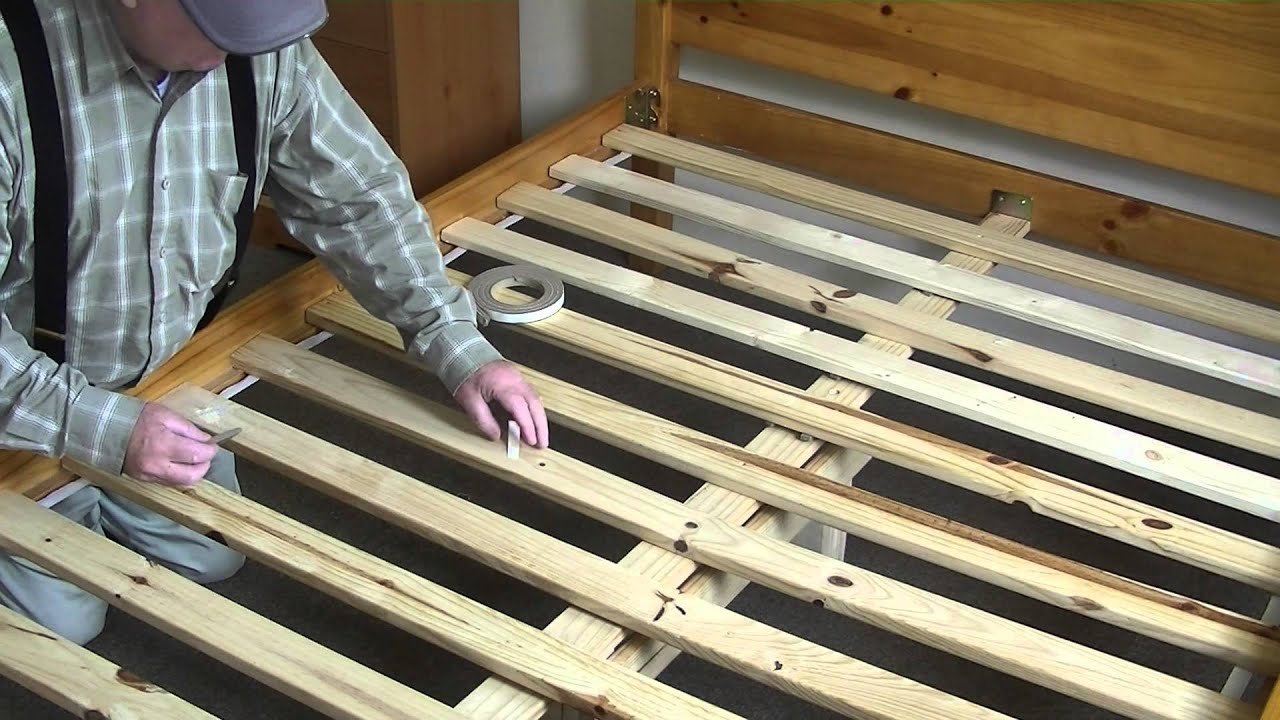
Credit: www.youtube.com
Frequently Asked Questions
What Causes A Wooden Bed Frame To Squeak?
Squeaks often come from loose joints or friction between wood parts. Changes in humidity can also cause wood to swell or shrink. Identifying the exact source helps in applying the right fix, such as tightening screws or lubricating contact points.
How Can I Stop My Wooden Bed Frame From Squeaking?
Tighten all screws and bolts first. Apply wax or lubricant to joints where wood rubs. Adding felt pads between slats and frame reduces friction. Regular maintenance prevents future squeaks and keeps your bed stable.
Is It Safe To Use Wd-40 On Wooden Bed Frames?
WD-40 can temporarily reduce squeaks but may damage wood finish over time. It’s better to use wax or silicone-based lubricants designed for wood. These options protect the wood and provide longer-lasting lubrication without harm.
Can Humidity Cause A Wooden Bed Frame To Squeak?
Yes, humidity makes wood expand or contract, causing joints to loosen or wood to rub. Using a dehumidifier or keeping consistent indoor humidity helps maintain wood stability and reduces squeaking noises.
Conclusion
Fixing a squeaky wooden bed frame is easier than it seems. Tighten loose screws and add lubricant to joints. Check all parts carefully to find the noise source. Small steps can make your bed quiet and sturdy again. A peaceful night’s sleep depends on a calm bed.
Try these tips and enjoy comfort without creaks. Keep your bed well maintained to avoid future noise. Simple care goes a long way in fixing squeaks fast.
As an Amazon Associate, I earn from qualifying purchases.