Robotic vacuum cleaners are small machines. They help clean floors without much effort from you. But how do these little robots work? This article will explain their working in simple words. You will learn about their parts, how they move, and how they clean.
What Is a Robotic Vacuum Cleaner?
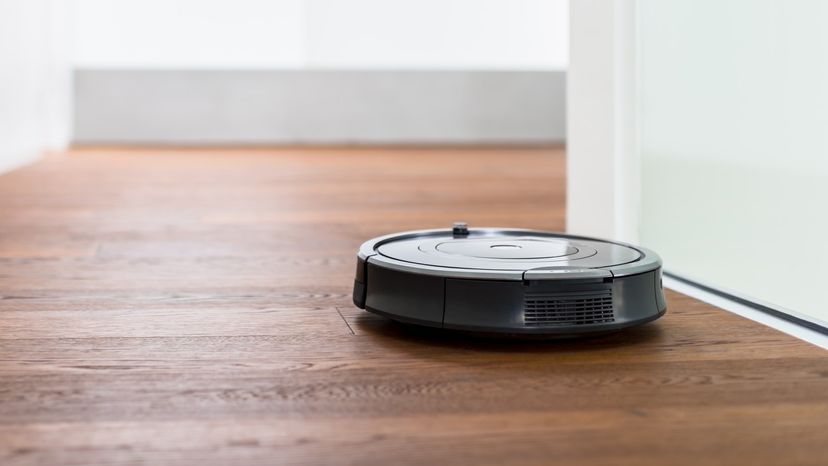
A robotic vacuum cleaner is a small robot that cleans your house. It moves on the floor by itself. It sucks up dust, dirt, and small trash. It works without you pushing it around.
These robots are good for busy people. They save time and energy. You can use them every day or when you want.
Credit: electronics.howstuffworks.com
Main Parts of a Robotic Vacuum Cleaner
To understand how these robots work, first know their main parts. Each part has a job. When all parts work together, the robot cleans your floor.
| Part | Function |
|---|---|
| Body | The main shell that holds all parts inside. |
| Wheels | Help the robot move around your home. |
| Brushes | Pick up dirt and dust from the floor. |
| Suction Motor | Pulls dirt and dust into the dustbin. |
| Dustbin | Stores all the dirt and dust collected. |
| Sensors | Detect obstacles and help avoid falling. |
| Battery | Power source to run the robot without wires. |
| Processor | Controls the robot’s movement and cleaning path. |

Credit: uhfug.com
How Does a Robotic Vacuum Move?
The robot needs to move to clean your whole floor. It uses wheels to drive forward, backward, and turn. The processor inside tells the wheels where to go.
Sensors around the robot help it avoid obstacles like furniture and walls. When it comes close to an object, sensors tell the robot to stop or turn.
Some robots have special sensors to detect stairs. They stop before falling down. This keeps the robot safe.
How Does It Clean the Floor?
Cleaning starts with brushes. The robot has one or more brushes under it. These brushes spin fast. They sweep dust and dirt into the path of suction.
There are two main types of brushes:
- Main brush: This is in the middle. It sweeps dirt from the floor.
- Side brushes: These are on the edges. They sweep dirt from corners and walls.
After brushing, the suction motor sucks the dirt. The dirt goes into the dustbin inside the robot. You need to empty this bin after cleaning.
How Does the Robot Know Where to Clean?
Robotic vacuums can clean in different ways. Some move randomly. They bump into things and change direction. This is simple but less efficient.
Other robots use smart navigation. They map your home using sensors or cameras. Then, they plan the best path to cover all areas.
Smart robots clean in rows, like when you mop the floor. This method saves time and cleans better.
How Does the Robot Know When to Stop?
Robots have batteries. They can work only for a limited time before needing a recharge.
When the battery is low, the robot stops cleaning. It then finds its charging station. This station is a special place in your home where the robot charges automatically.
Some robots can pause and recharge. After charging, they continue cleaning where they left off.
Advantages of Using a Robotic Vacuum Cleaner
Robotic vacuums offer many benefits:
- Saves Time: You do not need to push a vacuum cleaner.
- Easy to Use: You press a button, and it starts cleaning.
- Works Alone: It cleans while you do other things.
- Good for Busy People: Perfect for people with little free time.
- Reaches Under Furniture: Its small size helps clean hard-to-reach places.
Limitations of Robotic Vacuum Cleaners
Robots are good, but they have limits:
- Can Miss Spots: Sometimes they miss dirty areas.
- Small Dustbin: You must empty it often.
- Not for All Floors: Some robots do not work well on thick carpets.
- May Get Stuck: They can get stuck on cables or rugs.
How to Use a Robotic Vacuum Cleaner
Using a robot vacuum is easy. Follow these steps:
- Clear the floor of big objects.
- Charge the robot fully before first use.
- Place the charging station in an open area.
- Press the start button or use an app.
- Let the robot clean while you relax.
- Empty the dustbin after cleaning.
- Clean brushes and sensors regularly.
Future of Robotic Vacuum Cleaners
Robotic vacuum technology is improving every year. New models have better sensors and maps. They clean faster and more carefully.
Some robots now connect to your phone. You can control them from anywhere. You can also schedule cleaning times.
In the future, robots may do more than vacuum. They might wash floors or clean windows. For now, they help keep floors clean with little effort.
Summary
Robotic vacuum cleaners are small machines that clean floors alone. They use brushes and suction to pick up dirt. Sensors help them move without bumping into things. Some clean randomly, others plan a path.
They run on batteries and return to charge when low. Robots save time and energy. They work well for many homes but have some limits.
Using a robot vacuum is simple. It can make cleaning easier for you. Understanding how they work helps you use them better.
Now you know how robotic vacuum cleaners work. They are helpful helpers in your home.
Frequently Asked Questions
How Do Robotic Vacuum Cleaners Navigate Rooms?
Robotic vacuums use sensors and cameras to detect obstacles and map rooms. This helps them clean efficiently without bumping into furniture.
What Powers Robotic Vacuum Cleaners?
Most robotic vacuums run on rechargeable batteries. They return to their charging dock when the battery is low.
Can Robotic Vacuums Clean Different Floor Types?
Yes, they adjust suction and brushes to clean carpets, hardwood, and tiles. This makes them versatile for various homes.
How Do Robotic Vacuums Avoid Falling Down Stairs?
Sensors detect edges and drops, stopping the vacuum from falling. This feature keeps the vacuum safe on multi-level homes.
As an Amazon Associate, I earn from qualifying purchases.