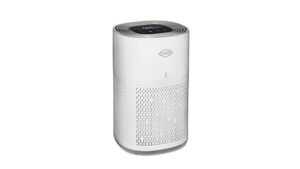
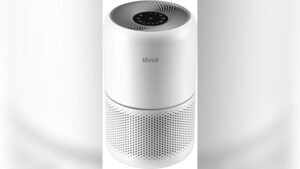
Many people wonder if an air purifier can help with humidity. Humidity means how much water vapor is in the air. It can make a room feel damp or dry. Some think air purifiers can change the moisture level. But is that true? In this article, we will explore how air purifiers work. We will also see if they can control humidity.
What Is Humidity?
Humidity is the amount of water in the air. When the air has a lot of water, it is called high humidity. When there is little water, it is low humidity. Humidity is important because it affects comfort. High humidity can make you feel hot and sticky. Low humidity can make your skin dry and cause coughs.
We measure humidity in two ways:
- Relative Humidity: This shows how much water is in the air compared to the most it can hold at that temperature.
- Absolute Humidity: This is the actual amount of water vapor in the air.
What Does an Air Purifier Do?
An air purifier cleans the air. It removes dust, pollen, smoke, and other tiny particles. It can help people with allergies or asthma. Air purifiers use filters to catch these particles. Some use special filters like HEPA filters. Others use UV light or ionizers. But none of these filters take moisture out of the air.
How Air Purifiers Work
Air purifiers pull air through a filter. The filter traps dust and germs. Then, clean air goes back into the room. This cycle keeps repeating. The goal is to make the air cleaner and healthier to breathe. But the air purifier does not remove water vapor. It only removes solid and liquid particles.

Credit: smartairfilters.com
Can Air Purifiers Control Humidity?
The short answer is no. Air purifiers do not control humidity levels. They are not made to add or remove moisture. Their job is to clean the air. If your room feels damp or dry, an air purifier will not fix that.
If you want to change humidity, you need other devices. For example:
- Dehumidifiers: These remove water from the air and make it less humid.
- Humidifiers: These add water vapor to the air and make it more humid.
These machines are designed specifically to control humidity. They work differently from air purifiers.
Why Do People Think Air Purifiers Help With Humidity?
Some people say their air purifier helped with humidity. Why is that? It could be because:
- The air feels fresher after using the purifier.
- The purifier removes particles that hold water vapor.
- The room feels less stuffy because the air is cleaner.
But this is not the same as changing humidity. The purifier does not remove water from the air. It only cleans the air. Sometimes, clean air feels better, so people think humidity changed.
What Happens If Humidity Is Too High?
High humidity can cause problems. It can make a room feel hot and sticky. It can also cause mold and mildew to grow. Mold can harm your health and damage your home.
High humidity can also make dust mites grow. These tiny bugs cause allergies. So, controlling humidity is important for health. But an air purifier alone cannot fix this problem.
What Happens If Humidity Is Too Low?
Low humidity can also cause issues. It can dry out your skin and eyes. It can make your throat sore. It can also damage wooden furniture and floors. Dry air can make breathing uncomfortable.
If your home has low humidity, using a humidifier is better than an air purifier. Humidifiers add moisture to the air. This helps you feel more comfortable.
How to Measure Humidity at Home?
To know your home’s humidity, use a simple tool called a hygrometer. It shows the current humidity level. Good indoor humidity is between 30% and 50%. If the level is outside this range, you may need a dehumidifier or humidifier.
Can Some Air Purifiers Help With Moisture?
Some air purifiers have special features. They may include a fan or ionizer. But none remove water from the air. There are some devices called air washers. They clean and add moisture to the air. But they are not typical air purifiers.
Always check the product details before buying. If you want to control humidity, look for a dehumidifier or humidifier.

Credit: www.daikinmea.com
Summary Table: Air Purifier vs. Humidity Control Devices
| Device | Main Function | Controls Humidity? | Helps With Allergies? |
|---|---|---|---|
| Air Purifier | Cleans air by removing dust and particles | No | Yes |
| Dehumidifier | Removes moisture from the air | Yes, lowers humidity | Sometimes |
| Humidifier | Adds moisture to the air | Yes, raises humidity | No |
| Air Washer | Cleans air and adds moisture | Yes | Yes |
Tips to Manage Humidity at Home
- Use a dehumidifier if your home is too damp.
- Use a humidifier if the air feels too dry.
- Keep rooms well-ventilated by opening windows.
- Fix leaks and water problems quickly.
- Use exhaust fans in kitchens and bathrooms.
- Check humidity regularly with a hygrometer.
Frequently Asked Questions
Does An Air Purifier Reduce Indoor Humidity Levels?
Air purifiers do not reduce humidity. They clean the air by removing particles like dust and allergens. For humidity control, a dehumidifier is needed.
Can An Air Purifier Help With Mold Caused By Humidity?
An air purifier can trap mold spores in the air. It does not lower moisture but helps reduce airborne mold risks. Controlling humidity is still necessary to stop mold growth.
Is An Air Purifier Better Than A Dehumidifier For Humidity?
No, air purifiers clean air but don’t remove moisture. Dehumidifiers are designed to lower indoor humidity levels effectively.
How Does Humidity Affect Air Purifier Performance?
High humidity can make air purifiers less effective. Moist air can clog filters faster and reduce airflow.
Conclusion
Air purifiers are great for cleaning the air. They remove dust, pollen, and germs. But they do not control humidity. If you have problems with damp or dry air, an air purifier will not help. You need a humidifier or dehumidifier for that.
Remember to measure your home’s humidity first. Then choose the right device. Clean air and good humidity make your home comfortable and healthy.
As an Amazon Associate, I earn from qualifying purchases.