Many people suffer from allergies. Allergies can make life hard. Sneezing, coughing, and itchy eyes are common problems. But can a dehumidifier help with allergies? Let’s explore this question in detail.
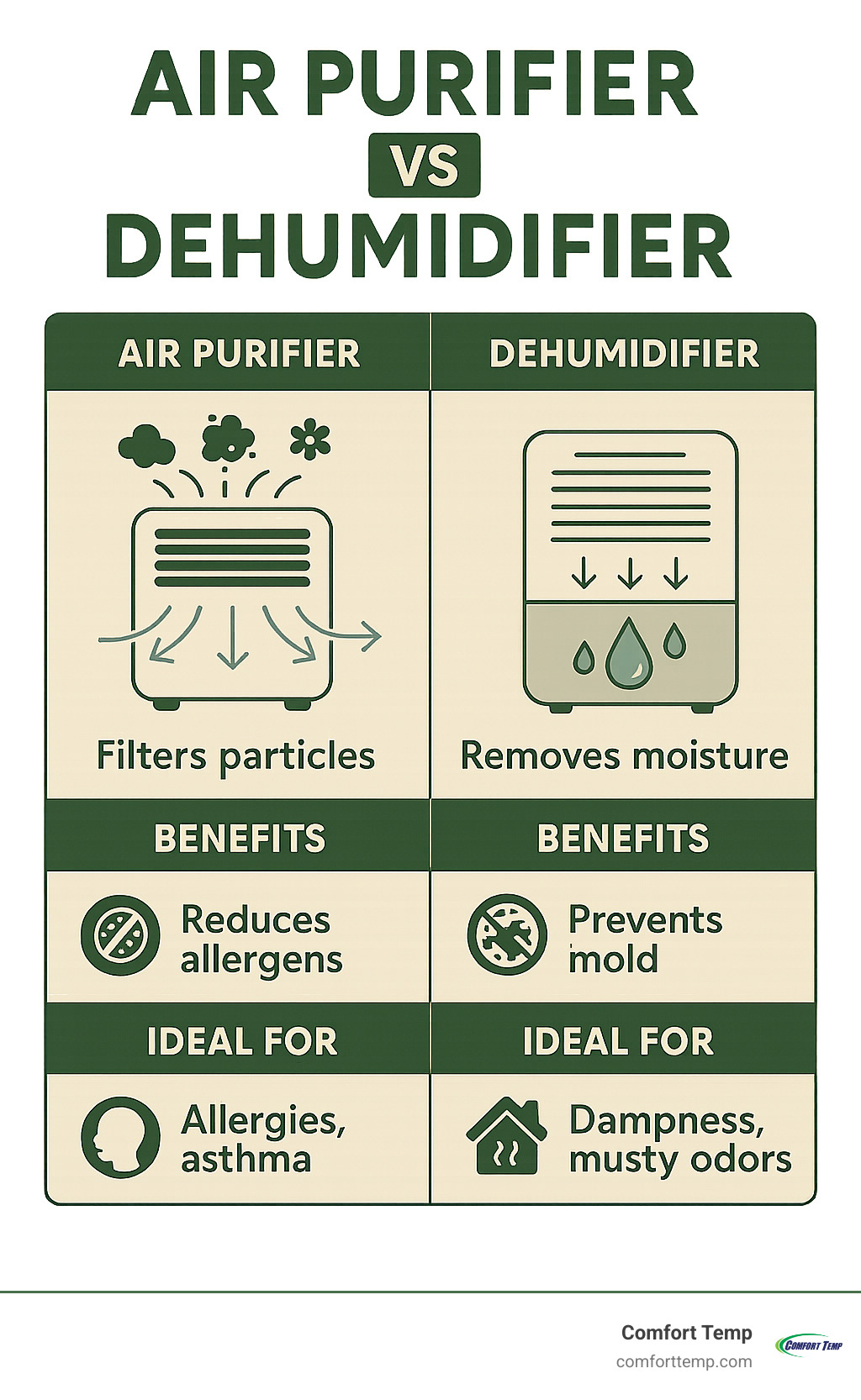
Credit: comforttemp.com
What Is a Dehumidifier?
A dehumidifier is a machine. It takes water out of the air. This makes the air less wet or humid. Humidity means how much water is in the air.
When the air is very wet, it can feel sticky. It can also make mold grow. Mold and dust mites like wet places. These can cause allergies.
How Does Humidity Affect Allergies?
High humidity is a big problem for allergy sufferers. Dust mites and mold grow well in wet air. They need moisture to live and grow. When humidity is high, there are more dust mites and mold spores in the air.
Dust mites and mold can cause allergy symptoms. These include sneezing, runny nose, and itchy eyes. They can also make asthma worse.
Low humidity, on the other hand, does not help either. Very dry air can make your nose and throat dry. This can also cause irritation.
How Can a Dehumidifier Help?
A dehumidifier lowers the humidity in your home. It makes the air less wet. This can stop dust mites and mold from growing. When these allergens are less, allergy symptoms can reduce.
Keeping humidity between 30% and 50% is best. This range stops dust mites and mold from growing. A dehumidifier can help keep humidity in this range.
When you use a dehumidifier, you may notice fewer allergy problems. Your nose may feel better. You may sneeze less. Your eyes may not itch as much.
Other Ways a Dehumidifier Helps Allergies
- Reduces Mold Growth: Mold grows in damp places. A dehumidifier removes moisture. This stops mold from spreading.
- Limits Dust Mites: Dust mites need moisture. Less humidity means fewer dust mites.
- Improves Air Quality: Dry air feels cleaner. It reduces bad smells from mold and mildew.
- Protects Furniture and Walls: Too much moisture can damage your home. A dehumidifier keeps your house dry and safe.
When Should You Use a Dehumidifier?
Use a dehumidifier when your home feels damp. Basements, bathrooms, and kitchens are often wet. These places can have mold and dust mites.
If you see mold spots or smell a musty odor, use a dehumidifier. Also, if your allergy symptoms get worse at home, try it.
Measure the humidity with a tool called a hygrometer. If humidity is over 50%, a dehumidifier can help.
Tips to Use a Dehumidifier Correctly
- Place the dehumidifier in rooms with high humidity.
- Keep doors and windows closed while using it.
- Empty the water tank regularly to keep it working well.
- Clean the filter often to avoid dust buildup.
- Use a hygrometer to check humidity levels.
- Set the dehumidifier to keep humidity between 30% and 50%.
Can a Dehumidifier Remove All Allergens?
No. A dehumidifier cannot remove all allergens. It mainly controls moisture. It helps reduce dust mites and mold.
But allergens like pollen, pet dander, and smoke need other solutions. You may need air purifiers or regular cleaning to remove these.

Credit: mylifenurse.com
Other Ways to Reduce Allergies at Home
Besides using a dehumidifier, you can do many things:
- Clean your home often: Dust and vacuum regularly.
- Use allergy-proof covers: Cover pillows and mattresses.
- Keep pets clean: Bathe pets to reduce dander.
- Wash bedding weekly: Use hot water to kill dust mites.
- Fix leaks: Stop water from leaking to prevent mold.
- Ventilate your home: Use fans and open windows when weather is dry.
Summary Table: How a Dehumidifier Helps With Allergies
| Benefit | How It Helps |
|---|---|
| Reduces Moisture | Stops mold and dust mites from growing |
| Improves Air Quality | Removes damp smell and prevents mold spores |
| Protects Home | Prevents damage from dampness and mold |
| Reduces Allergy Symptoms | Less sneezing, itching, and coughing |
Final Thoughts
A dehumidifier can help with allergies. It controls moisture in your home. This reduces dust mites and mold, common allergy triggers.
It is not a full solution. You should also clean your home well. Use other tools if you have pets or pollen allergies.
Keeping the right humidity level is key. A dehumidifier is a useful tool to do this. It can make your home healthier and your allergies easier to manage.
Frequently Asked Questions
Does A Dehumidifier Reduce Allergy Symptoms At Home?
A dehumidifier lowers indoor humidity, which helps stop mold and dust mites. These allergens cause many allergy symptoms. So, using one can ease breathing and reduce irritation.
Can A Dehumidifier Prevent Mold Growth Inside?
Yes, mold needs moisture to grow. A dehumidifier removes excess moisture, making it hard for mold to develop. This helps keep your home cleaner and healthier.
How Does Humidity Affect Dust Mite Allergies?
Dust mites thrive in high humidity. Lower humidity with a dehumidifier makes it tough for dust mites to live. This reduces the number of these allergy triggers.
What Is The Ideal Humidity Level To Reduce Allergies?
Keep indoor humidity between 30% and 50%. This range stops mold and dust mites from growing. A dehumidifier helps maintain this healthy level.
As an Amazon Associate, I earn from qualifying purchases.